




What's Happening?
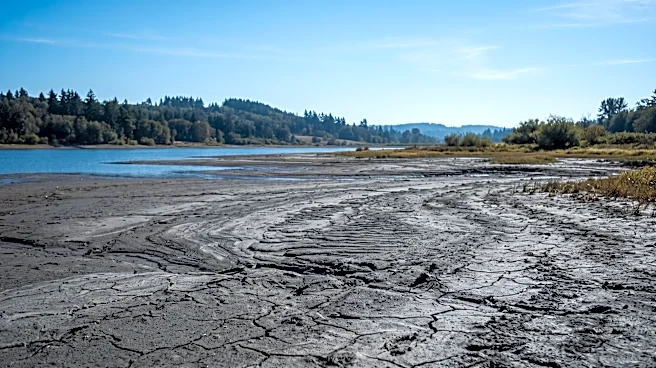
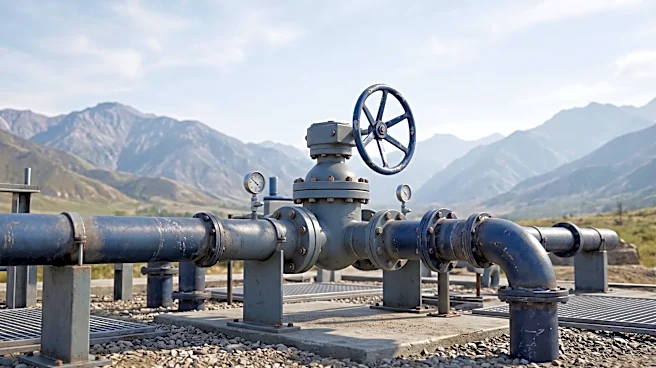
A grassroots organization in Black Diamond, the Lake Sawyer Advocacy Group, has formally accused the Covington Water District (CWD) of causing significant drops in Lake Sawyer's water levels by pumping from its 222nd Street wells during summer months.
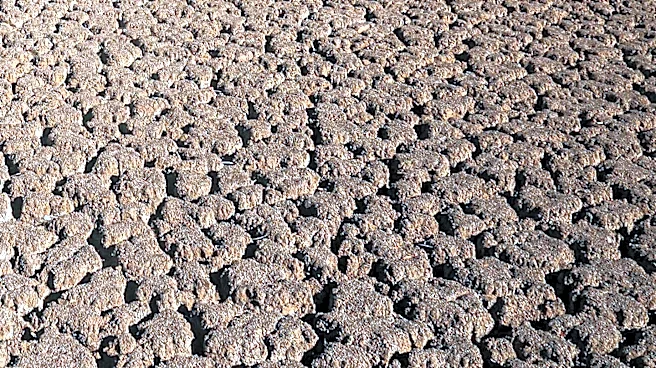
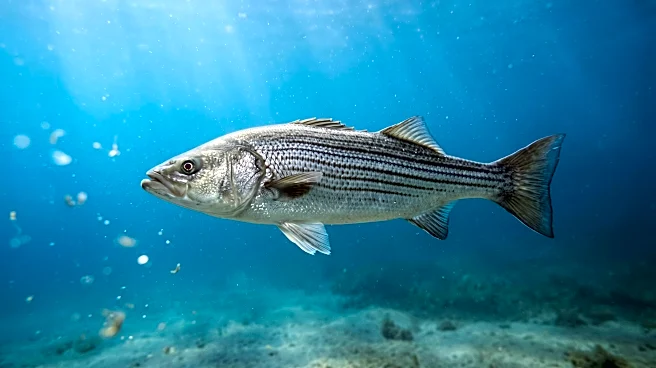
This accusation was presented to the Black Diamond City Council on October 16. The group claims that these actions have severely impacted the local environment, including preventing salmon runs, and have hindered recreational use of the lake. They allege that the issue escalated after CWD entered an agreement in 2015 to sell up to 1.25 million gallons of water daily to the Lake Meridian Water District during summer. The Lake Sawyer Advocacy Group asserts that the lake's water levels have dropped dramatically, sometimes by over 39 inches, and recover slowly, leading to dry canals and affecting the salmon-bearing Covington Creek. The CWD, however, denies these claims, citing decades of research and multiple water studies that show no direct correlation between their pumping activities at the 222nd Wellfield and Lake Sawyer's water levels. CWD General Manager Tom Keown stated that their water rights are in good standing and that recent radiocarbon dating suggests the aquifer water is much older than surface water, indicating no mixing.
Why It's Important?
This dispute highlights a critical conflict between municipal water supply needs and environmental preservation, with significant implications for local ecosystems and community well-being in the U.S. The alleged draining of Lake Sawyer could lead to irreversible ecological damage, particularly impacting salmon populations that rely on the lake for migration and spawning. Furthermore, the reduced water levels affect recreational activities, property values, and public safety, as emergency access via boat launches becomes compromised. The disagreement also raises questions about the adequacy of existing scientific studies and regulatory oversight regarding water rights and environmental protection. If the Lake Sawyer Advocacy Group's claims are substantiated, it could set a precedent for re-evaluating water management practices and agreements, potentially leading to stricter regulations on water districts to protect natural water bodies. Conversely, if CWD's position is upheld, it underscores the challenges in balancing growing urban water demands with environmental concerns, potentially leaving communities vulnerable to the ecological consequences of water extraction.
What's Next?
The Lake Sawyer Advocacy Group plans to secure a grant from the King County Flood Control District to fund a new water study. This study aims to definitively prove a connection between Lake Sawyer and the CWD's 222nd Street well, focusing on hydrologic processes and groundwater-surface water interactions. If a connection is proven, the group hopes to prompt the Department of Ecology to re-examine CWD's water rights and potentially alter their pumping practices, specifically advocating for a halt to summer pumping from the 222nd Street wells. The CWD has also recommended a larger-scale study of the Soos Creek basin. Should negotiations fail, the Lake Sawyer Advocacy Group is prepared to file a lawsuit, though they acknowledge the complexity and cost of such litigation. The outcome of these studies and potential legal actions will determine future water management strategies in the region and could influence similar disputes nationwide.
Beyond the Headlines
The core of this conflict delves into the interpretation and validity of scientific data, and the ethical responsibilities of public utilities towards environmental stewardship. The Lake Sawyer Advocacy Group challenges a 1990 scientific study (the Hart Crowser report) that formed the basis for CWD's expanded water rights, claiming it was flawed regarding the lake's depth and its connection to the underground well water. This raises broader questions about how historical scientific assessments influence long-term resource management and whether they should be periodically re-evaluated with new data and methodologies. The CWD's argument that state code does not establish a 'source limitation' or 'minimum level' for Lake Sawyer, and that the Department of Ecology lacks enforcement authority to restrict groundwater pumping to protect lake levels, highlights a potential regulatory loophole. This situation could trigger legislative efforts to strengthen environmental protections and grant regulatory bodies more authority to intervene in cases where water extraction impacts natural ecosystems, even if current permits are technically 'in good standing.'