









What's Happening?
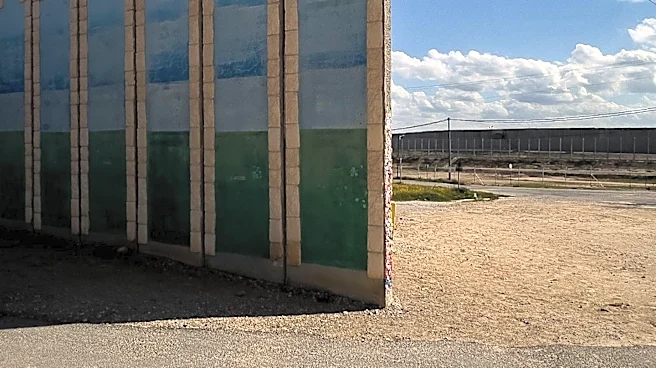
The Chinati Foundation has unveiled plans for the restoration of two former military buildings in Marfa, Texas, known as the Artillery Sheds. These structures house Donald Judd's significant installation, '100 untitled works in mill aluminum' (1982–1986).
Built by the U.S. Army Corps of Engineers in 1939 as part of Fort D.A. Russell, Judd began adapting these buildings in 1980, replacing garage doors with quartered glass windows and adding curved, Quonset hut-style roofs. The restoration project, overseen by Houston-based Schaum Architects, will address deterioration from over four decades of exposure. This includes repairing roofs, gutters, and facades, and replacing more than 10,000 square feet of glazing with energy-efficient, low-e glass. The existing window assemblies will also be repaired and re-gasketed. Additionally, a new bracing system for Judd’s vaulted roofs has been developed by Schaum in collaboration with structural engineer TYLin, allowing for the removal of corroded sections while maintaining the original roof structure.
Why It's Important?
This restoration is crucial for preserving a significant piece of American contemporary art and architectural history. Donald Judd's work at the Chinati Foundation is a cornerstone of minimalist art, and the Artillery Sheds are integral to the experience of his '100 untitled works in mill aluminum.' The project ensures the long-term integrity of both the artwork and its unique architectural setting, which Judd specifically designed to house his large-scale installations. The use of energy-efficient materials and a low-energy ventilation system reflects a commitment to sustainable preservation practices, setting a precedent for future art conservation efforts. Furthermore, the temporary removal and subsequent conservation analysis of Judd's aluminum works mark a rare opportunity for in-depth study and maintenance, safeguarding these invaluable pieces for future generations. The project also enhances the visitor experience by improving accessibility with a new step-free route, making this important cultural site more inclusive.
What's Next?
The restoration will involve the temporary removal of Judd's aluminum works for the first time since their initial installation, allowing for conservation analysis before their reinstallation. Schaum Architects will continue to oversee the design and implementation of the restoration, which includes significant structural and environmental upgrades. A low-energy ventilation system will be introduced, along with improved glazing and on-site solar power, to regulate temperature extremes while preserving the buildings' acoustic and visual characteristics. Landscape work, led by Dept. LLC with Marfa-based Jim Martinez, will focus on improving drainage, restoring native grasses, and implementing rainwater harvesting. These efforts aim to create a more sustainable and resilient environment for the artwork and the surrounding landscape. The project is expected to proceed with careful attention to maintaining the original artistic and architectural intent of Donald Judd.
Beyond the Headlines
The restoration of the Artillery Sheds transcends mere structural repair; it underscores the profound connection between art, architecture, and environment that defines Donald Judd's vision for Marfa. Judd's decision to integrate his art within the existing military structures of Fort D.A. Russell highlights a philosophy where the setting is as vital as the artwork itself. This project reinforces the idea that preservation is an ongoing dialogue with an artist's intent, requiring a deep understanding of materials, context, and the passage of time. The commitment to low-energy solutions and native landscaping also reflects a broader shift in cultural heritage management towards ecological responsibility. By meticulously restoring these buildings, the Chinati Foundation not only protects a physical space but also perpetuates Judd's radical approach to art, which challenged conventional museum practices and emphasized permanence, scale, and the interplay of light and space. This effort ensures that Marfa continues to be a pilgrimage site for those seeking a unique and immersive art experience.