




What's Happening?
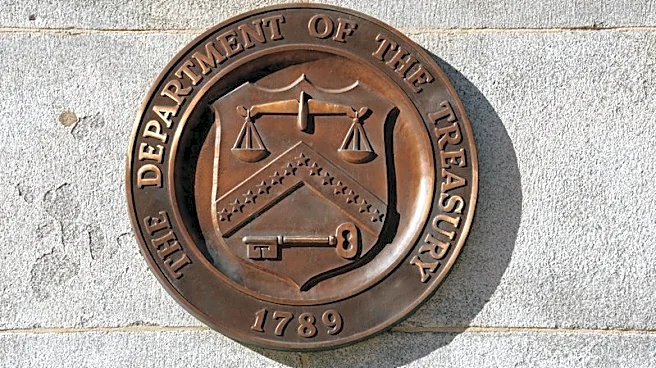
On November 6, 2026, the U.S. Office of Foreign Assets Control (OFAC) designated eight Canada-based money services businesses (MSBs) under Executive Order (E.O.) 13902. These businesses are accused of operating in the digital asset sector of the Iranian
economy. OFAC alleges that many of these MSBs facilitated transactions with sanctioned Iranian digital asset exchanges and entities linked to the Islamic Revolutionary Guard Corps (IRGC). Additionally, several of the designated businesses reportedly worked with OFAC-sanctioned drug trafficker Ryan Wedding to launder drug proceeds. The designated entities include Diverse Trade Inc (Million Exchange), 1380079 BC Limited (Amin Exchange), Top PC Technician Inc, NIA Nations Currency Ltd, 2397639 Ontario Ltd (Farah Exchange), CCC Inc, B Galaxy Inc (Cryptoyal), and Darvish Exchange. OFAC also listed six TRON blockchain addresses associated with four of these designees, providing specific details on transaction volumes and connections to previously sanctioned entities.
Why It's Important?
This action by OFAC underscores the U.S. government's commitment to disrupting illicit financial networks that leverage digital assets, particularly those supporting sanctioned regimes and criminal activities. The designation highlights the growing concern over the use of cryptocurrencies for money laundering and sanctions evasion, impacting the broader digital asset ecosystem. By targeting MSBs in Canada, OFAC demonstrates its extraterritorial reach and its intent to prevent foreign entities from facilitating transactions that undermine U.S. national security interests. This move could lead to increased scrutiny and regulatory pressure on MSBs globally, particularly those operating in jurisdictions perceived as having weaker oversight. Financial institutions and cryptocurrency exchanges will need to enhance their compliance measures to avoid exposure to secondary sanctions risks, especially when dealing with Canadian MSBs or entities with ties to Iran.
What's Next?
Following these designations, compliance teams within financial institutions and digital asset companies are advised to screen counterparties and deposit addresses against the listed TRON addresses and entity names. They should also review their exposure to Canadian MSBs that convert cash or Iranian rials into digital assets. The designations carry a secondary sanctions risk warning under Section 2 of E.O. 13902, meaning non-U.S. persons could face sanctions for certain transactions involving these blocked entities. OFAC's action is part of a larger initiative, 'Operation Economic Outcast,' which has seen previous rounds of Iran-related actions against the digital asset sector. This suggests a continued focus by U.S. authorities on disrupting financial flows to Iran through cryptocurrency, potentially leading to further designations and enforcement actions against other facilitators in the future.
Beyond the Headlines
The designation of Canadian MSBs for facilitating Iranian digital asset transactions and drug laundering reveals the complex and interconnected nature of global illicit finance. It highlights how actors can exploit the perceived anonymity and borderless nature of digital assets to circumvent traditional financial controls. This situation also brings to the forefront the challenges faced by regulators in keeping pace with technological advancements in finance. The involvement of a drug trafficker like Ryan Wedding alongside state-sponsored entities like the IRGC illustrates a convergence of criminal and geopolitical threats, where digital assets serve as a common medium for illicit activities. This development could prompt greater international cooperation in regulating the cryptocurrency space and developing more robust frameworks for combating financial crime across borders, potentially leading to a more harmonized global approach to digital asset oversight.