





What's Happening?
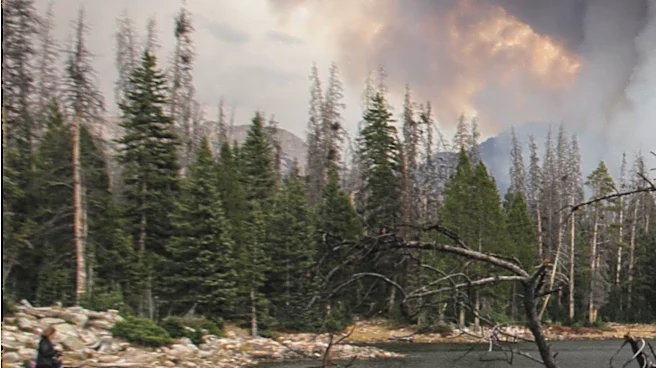
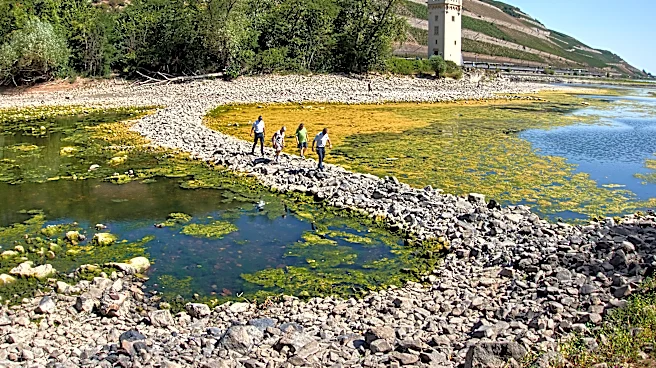
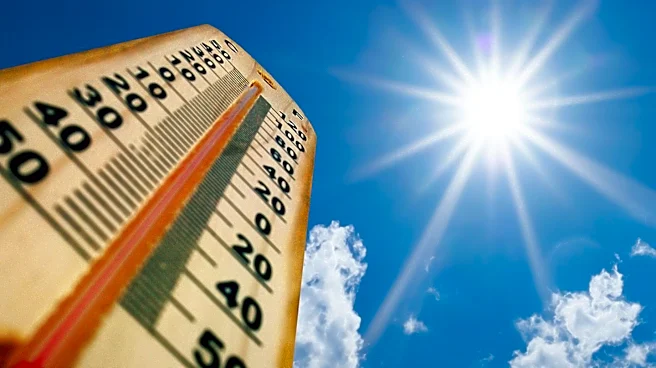
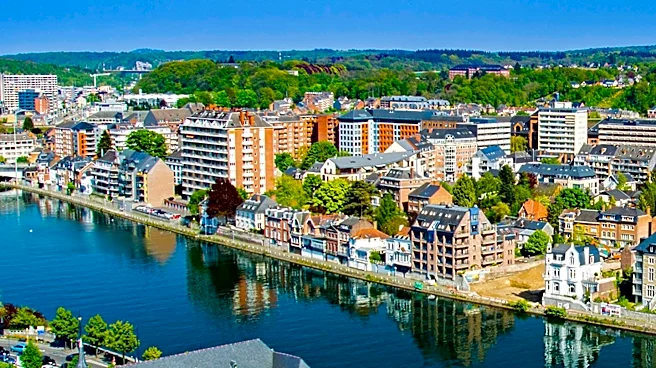
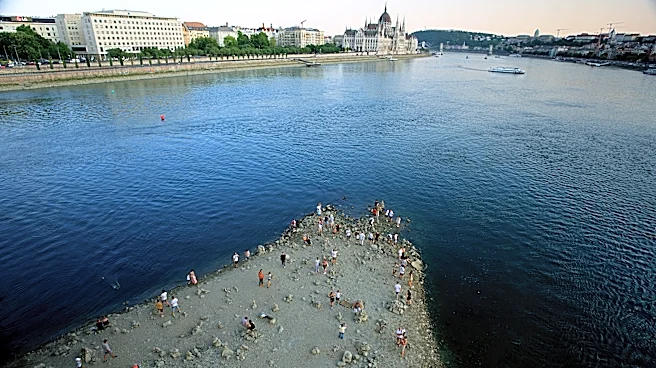
Western Europe has experienced its hottest June-July on record, according to the Copernicus Climate Change Service. The average temperature for this period was 21.62°C, surpassing previous records. The region has faced successive heatwaves, drought, and
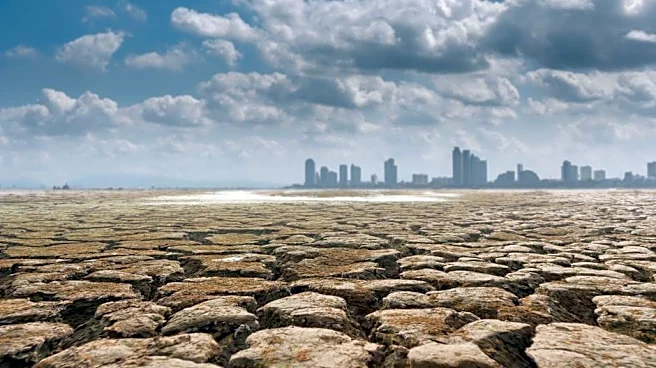
wildfires, exacerbated by climate change. Soil moisture levels were significantly lower than in previous years, impacting river flows and contributing to ideal conditions for fires. The situation is compounded by record-high ocean temperatures, driven by marine heatwaves and a developing El Niño in the Pacific.
Why It's Important?
The record-breaking temperatures and associated environmental impacts highlight the urgent need for climate action. The heat and drought conditions have significant implications for agriculture, water resources, and energy production in Europe. The increasing frequency of extreme weather events underscores the role of climate change in intensifying natural disasters. This situation serves as a stark reminder of the global challenges posed by climate change and the need for coordinated efforts to mitigate its effects.
What's Next?
As the El Niño event develops, further temperature increases and extreme weather events are anticipated. Policymakers and environmental organizations may need to enhance climate adaptation and mitigation strategies to address the ongoing impacts. The situation calls for international cooperation to reduce greenhouse gas emissions and implement sustainable practices to combat climate change.
Beyond the Headlines
The persistent heat and drought conditions raise concerns about long-term environmental and economic impacts. The strain on natural resources and infrastructure could lead to increased costs and challenges for affected regions. Additionally, the situation highlights the need for public awareness and education on climate change, encouraging individuals and communities to adopt sustainable practices.