








What's Happening?
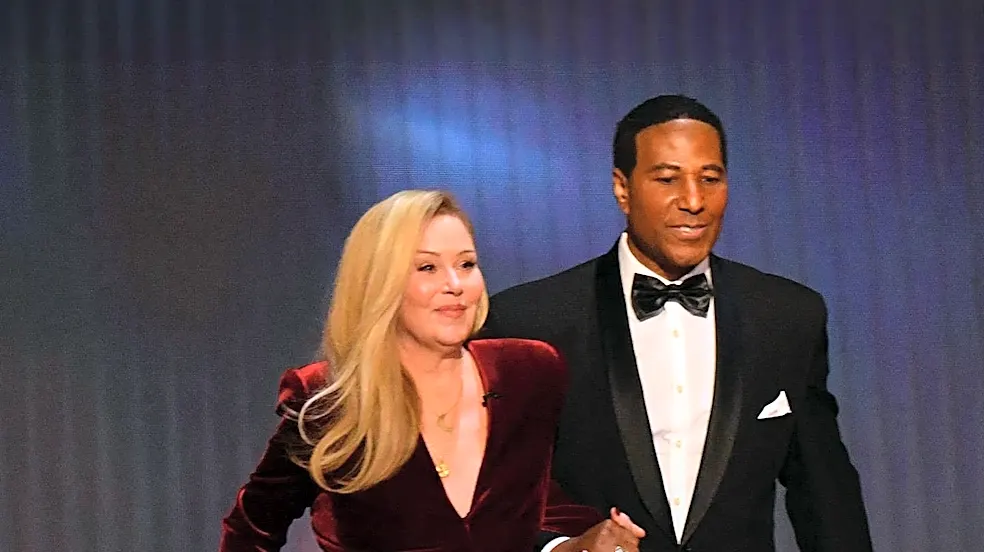
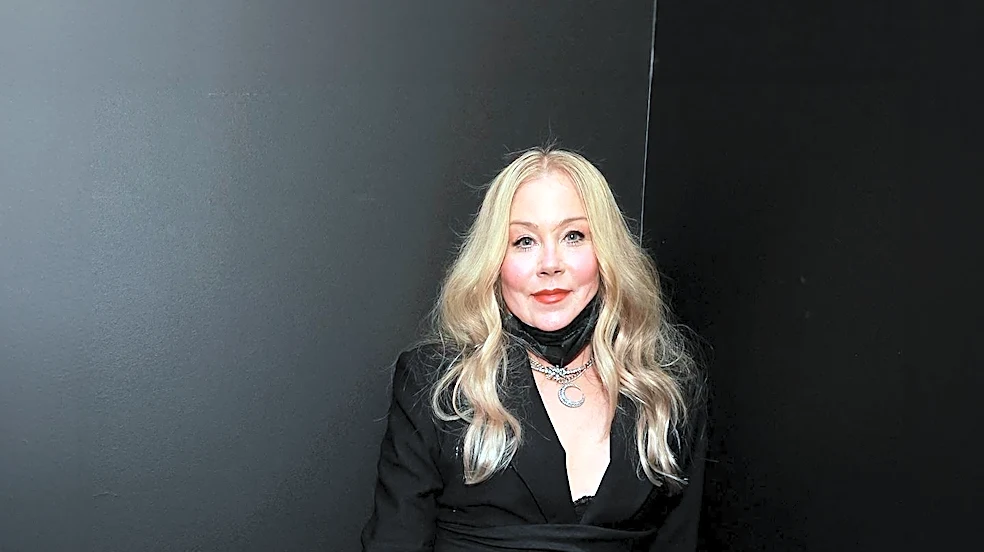
Actress Christina Applegate, who had been a prominent voice in the multiple sclerosis (MS) community after her diagnosis over five years ago, recently revealed she was misdiagnosed. Applegate shared on her podcast, 'MeSsy,' that her doctor informed her she does
not have MS, despite experiencing what she described as every symptom of the condition, including tingling, pain, tremors, and mobility issues. This revelation has left her feeling 'lost' and 'back at square one,' as she continues to deal with the symptoms without a definitive diagnosis. Her initial diagnosis was supported by a brain MRI showing white lesions and a lumbar puncture positive for oligoclonal bands, which are common indicators of MS. However, experts note that these indicators can also be present in other conditions, making MS diagnosis complex.
Why It's Important?
Christina Applegate's misdiagnosis with multiple sclerosis underscores a significant issue within the medical community: the challenges and prevalence of misdiagnosis, particularly for complex neurological conditions. Research indicates that MS misdiagnosis rates can range from 5% to as high as 36%, with one 2024 analysis finding 15% of diagnosed patients did not actually have the condition. This has profound implications for patients, leading to years of unnecessary and expensive treatments, emotional distress, and a delay in receiving appropriate care for their actual condition. For the healthcare system, it highlights the need for improved diagnostic criteria, advanced testing methods like the central vein sign, and better training for medical professionals to distinguish MS from conditions that mimic its symptoms, such as migraines. The financial burden of misdiagnosis, including treatment costs and potential disability paperwork complications, also impacts individuals and the broader healthcare economy.
What's Next?
For Christina Applegate, the immediate next step involves a renewed search for an accurate diagnosis, starting with blood tests for conditions like rheumatoid arthritis and potentially other rare neurological disorders. This process highlights the often lengthy and frustrating journey patients face when dealing with complex symptoms without a clear diagnosis. For the medical community, Applegate's public experience may bring increased awareness to the issue of MS misdiagnosis, potentially spurring further research into more definitive diagnostic tools and criteria. It could also lead to greater emphasis on second opinions and multidisciplinary approaches in diagnosing neurological conditions. Patients previously diagnosed with MS might be encouraged to seek re-evaluation, especially if their symptoms or treatment responses are atypical, potentially leading to a wave of re-assessments.
Beyond the Headlines
Christina Applegate's story extends beyond a personal medical journey; it sheds light on the broader ethical and psychological dimensions of misdiagnosis. A diagnosis, especially of a chronic condition like MS, often becomes a significant part of a person's identity, influencing their support networks, lifestyle choices, and even their public advocacy. To have that identity suddenly revoked can be 'earth shattering,' as noted by neurologist Dr. Marwa Kaisey. This situation raises questions about patient trust in the medical system, the psychological impact of living with an incorrect diagnosis, and the challenges of navigating a healthcare system that, despite its advancements, can still leave patients without answers. It also underscores the importance of patient advocacy and the need for healthcare providers to acknowledge the human element of diagnosis, recognizing the profound impact it has on individuals' lives.