

What's Happening?
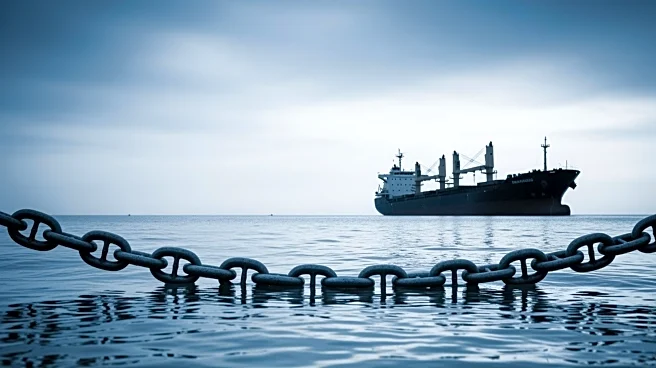
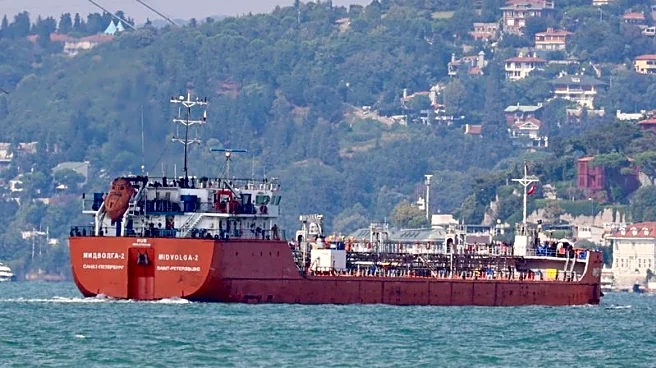
The European Union is preparing to implement its most extensive sanctions package against Russian crude oil exports. The proposed measures would prohibit European companies from providing essential maritime services, such as shipping, insurance, and financing,
for Russian oil. This move aims to disrupt Russia's reliance on Western infrastructure for its oil exports, particularly to India and China. The sanctions package also includes expanding the blacklist of vessels involved in circumventing sanctions and imposing new import bans on Russian metals and minerals.
Why It's Important?
The EU's proposed sanctions represent a significant escalation in efforts to pressure Russia economically, following its invasion of Ukraine. By targeting the services that facilitate Russian oil exports, the EU aims to make it more difficult and costly for Russia to sell its oil, potentially reducing its revenue. This approach could also force Russian oil into less efficient and more expensive distribution channels, impacting global oil markets. The sanctions are part of a broader strategy by Western nations to apply economic pressure on Russia to engage in peace talks.
What's Next?
The proposed sanctions require unanimous approval from EU member states, which is not guaranteed. If implemented, the sanctions could lead to further disruptions in global oil supply chains and potentially higher oil prices. The EU and its allies will need to monitor the effectiveness of these measures and be prepared to adjust their strategies in response to Russia's actions and the global economic impact.