





What's Happening?
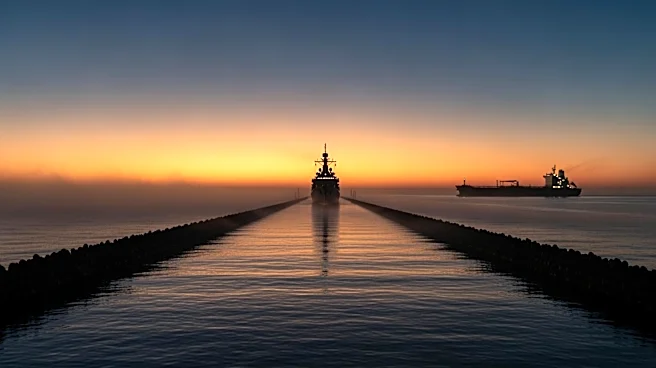
The U.S. Navy has maintained a blockade on Iranian shipping in the Gulf of Oman, effectively intercepting vessels to increase economic pressure on Iran. Since the blockade's initiation in April, 81 vessels have been turned back, and four have been detained.
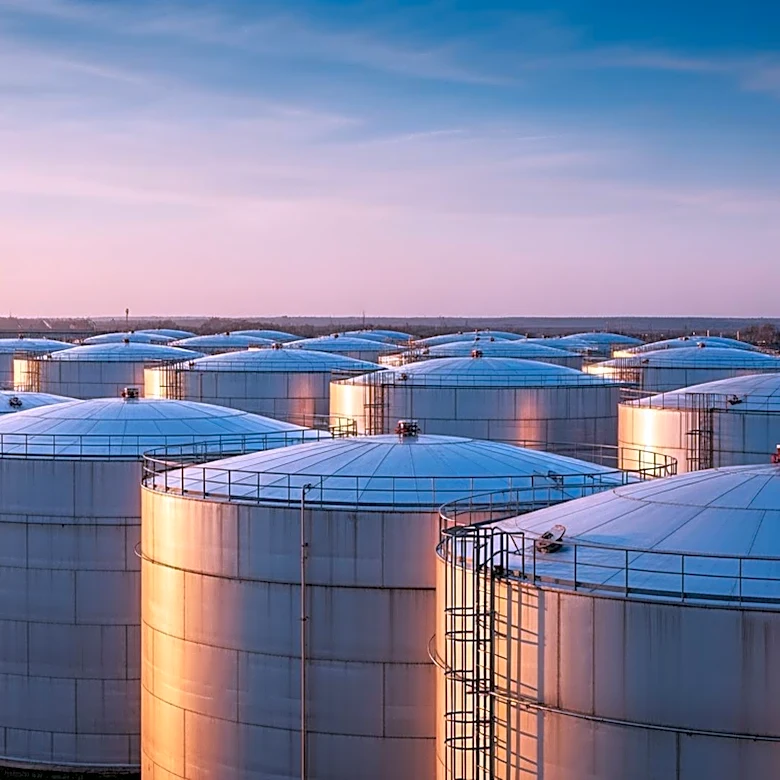
The blockade aims to compel Iran to resume stalled negotiations with the United States. Despite the blockade's effectiveness in preventing laden Iranian tankers from leaving the Gulf, some empty tankers have managed to cross. TankerTrackers.com reported that three sanctioned tankers recently passed the blockade line, with a combined capacity of 1.9 million barrels. Additionally, a Russian-flagged product tanker has crossed the blockade line multiple times without a clear commercial purpose. Meanwhile, at least six empty tankers remain moored near Kharg Island, awaiting loading, but no laden crude tanker departures have occurred for six days due to a large-scale spill at one of the island's terminals.
Why It's Important?
The blockade has significant implications for global oil supplies and prices. With Iran's maritime traffic restricted, global oil supplies are under pressure, contributing to rising oil prices. Brent crude has climbed above $110 per barrel. The blockade also affects Iraq, which saw a drastic reduction in oil exports from 93 million barrels in March to 10 million barrels in April. The ongoing geopolitical tensions and lack of progress in U.S.-Iran negotiations exacerbate the situation, impacting global reserves and economic stability. The blockade's success in intercepting vessels highlights the U.S.'s strategic efforts to influence Iran's economic and political decisions.
What's Next?
The continuation of the blockade is likely to maintain pressure on Iran, potentially leading to further disruptions in oil supply and price fluctuations. The U.S. may continue to leverage this strategy to push for diplomatic negotiations. The situation could prompt reactions from other global oil producers and consumers, who may seek alternative sources or adjust their strategies in response to the constrained supply. The environmental impact of the oil spill near Kharg Island may also prompt regulatory scrutiny and operational changes in the region.
Beyond the Headlines
The blockade raises ethical and legal questions about the use of economic sanctions and military interventions to achieve diplomatic goals. It also highlights the environmental risks associated with oil transportation and the potential for geopolitical conflicts to exacerbate these risks. The situation underscores the interconnectedness of global energy markets and the potential for regional conflicts to have widespread economic and environmental consequences.