






What's Happening?
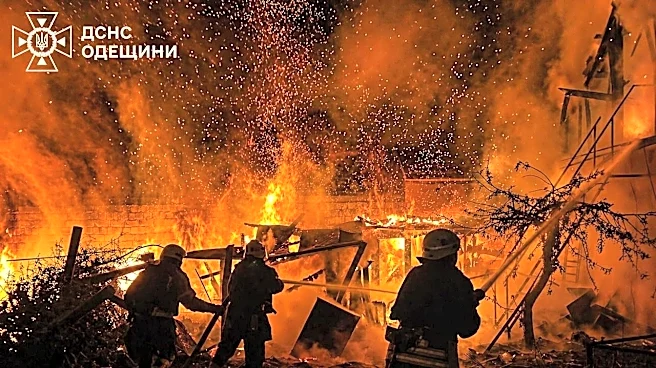
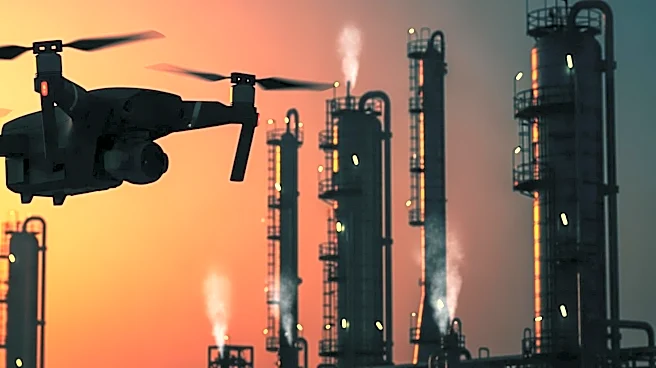
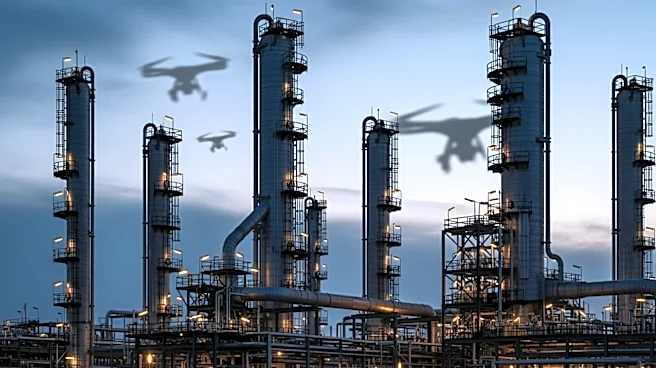
Ukraine has intensified its drone attacks on Russian oil facilities, targeting locations deep within Russian territory. These strikes, including those on the oil refinery and export terminal in Tuapse and the oil pumping station in Perm, aim to disrupt
Russia's oil exports, a significant source of funding for its military operations in Ukraine. The attacks have caused environmental damage, including toxic rain and oil spills, affecting regions far from the front lines. Despite these efforts, the economic impact remains uncertain as global oil prices rise due to geopolitical tensions, particularly involving Iran.
Why It's Important?
The drone strikes underscore Ukraine's growing military capabilities and its strategic approach to weakening Russia's economic resources. By targeting oil infrastructure, Ukraine aims to reduce Russia's financial capacity to sustain its military activities. However, the rising global oil prices, partly due to the Middle East crisis, have mitigated the financial impact on Russia. This situation highlights the complex interplay between military actions and global economic factors, affecting energy markets and international relations. The environmental consequences of these attacks also pose long-term risks to regional ecosystems and public health.
What's Next?
The continuation of drone strikes could further strain Russia's air defenses and increase domestic pressure as more Russians experience the war's consequences. The environmental damage may lead to public discontent, challenging the Russian government's narrative of control. Internationally, these developments could influence diplomatic efforts and economic sanctions, as stakeholders reassess their strategies in response to the evolving conflict dynamics. The situation remains fluid, with potential for further escalation or diplomatic interventions.
Beyond the Headlines
The environmental impact of the drone strikes raises ethical and legal questions about warfare tactics and their long-term consequences on civilian populations and ecosystems. The use of drones in warfare represents a shift in military strategy, emphasizing technological advancements and asymmetric warfare. This trend could influence future conflicts, prompting discussions on international regulations and the ethical use of technology in military operations.