





What's Happening?
Miramar Police have arrested Shaquille Jaray Palmer, 33, in connection with the theft of approximately $187,360 worth of designer handbags and a Chanel water bottle from social media influencer Stormy Wellington. The incident was first reported by Wellington in early
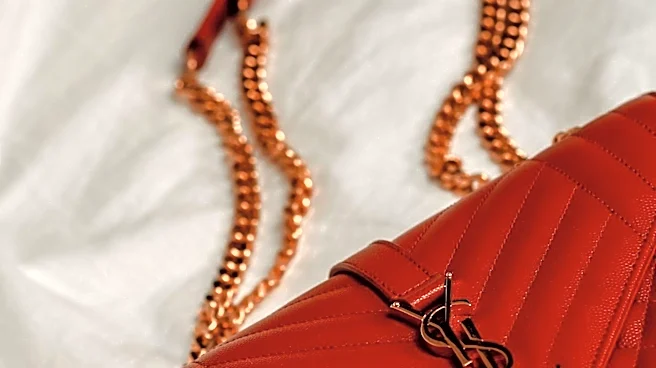
August when she discovered five Hermes Birkin handbags and a Chanel water bottle missing from her closet. One of the Hermes bags was valued at $47,650. Wellington later used social media to track some of the items to an Aventura business that resells luxury goods. An employee at the business identified Palmer as the individual who brought the handbags in, attempting to secure a loan against them, which he subsequently defaulted on. Wellington informed police that Palmer, whom she considered a friend and authorized employee with home access, was only permitted to take one or two bags for cleaning, not the full extent of the missing items. In early October, two additional Chanel bags were reported missing, bringing the total value of the stolen goods to over $187,000. Palmer eventually met with police, claiming he had permission to take the bags for servicing but refused to answer questions about pawning them without an attorney present, and denied possession of the Chanel water bottle and the two Chanel bags. He has been charged with first-degree grand theft of $100,000 or more.
Why It's Important?
This case highlights the increasing vulnerability of public figures, particularly social media influencers, to theft, given their public display of valuable assets. The alleged theft of nearly $187,000 in designer items underscores the significant financial losses that can occur. It also brings to light the complexities of trust in personal and professional relationships, especially when individuals are granted access to private residences and high-value possessions. The use of social media by the victim to track down her stolen items demonstrates the evolving role of digital platforms in crime detection and recovery efforts. Furthermore, the charges of first-degree grand theft of $100,000 or more reflect the serious legal consequences associated with such high-value property crimes, emphasizing the legal system's response to significant financial offenses. This incident serves as a cautionary tale for individuals with valuable possessions, particularly those in the public eye, regarding security measures and vetting those with access to their homes.
What's Next?
Shaquille Jaray Palmer faces charges of first-degree grand theft of $100,000 or more. The legal process will now involve court proceedings, including arraignment, potential bail hearings, and a trial. Prosecutors will present evidence, including the influencer's testimony, the findings from the Aventura resale business, and Palmer's statements to the police. Palmer's defense will likely challenge the allegations, potentially arguing lack of intent or disputing the value of the items. The outcome of the trial could result in significant penalties, including imprisonment and substantial fines, given the high value of the alleged theft. This case may also prompt other influencers and high-net-worth individuals to review and enhance their security protocols and the vetting processes for individuals granted access to their homes and valuable possessions. The influencer, Stormy Wellington, may also pursue civil litigation to recover the value of the stolen items.
Beyond the Headlines
This incident delves into the broader societal implications of wealth display in the digital age and the blurred lines between public persona and private security. The influencer's public display of luxury items, while integral to her brand, inadvertently created a target for theft. This raises questions about the responsibility of public figures in managing their online presence versus their personal safety and asset protection. The alleged betrayal by someone considered a friend also highlights the psychological impact of such crimes, extending beyond financial loss to a breach of trust. Moreover, the case touches upon the secondary market for luxury goods, where stolen items can sometimes be traced, showcasing the interconnectedness of various industries in combating crime. It underscores the need for both individuals and businesses in the luxury market to be vigilant against illicit transactions and to cooperate with law enforcement.