





What's Happening?
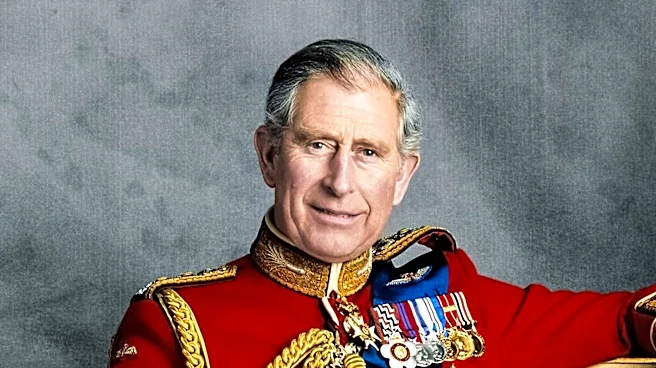
Australian Prime Minister Anthony Albanese recently spoke with King Charles via phone. During their conversation, which Albanese later shared on social media, King Charles expressed his strong admiration and affection for the Australian people. Prime Minister Albanese conveyed
Australia's best wishes to King Charles and the Royal Family. This interaction highlights the ongoing relationship between Australia and the British monarchy, even as Australia continues to evolve its national identity. The Prime Minister's public statement underscores the positive nature of the discussion and the King's regard for the Commonwealth nation.
Why It's Important?
This interaction is important as it reaffirms the symbolic ties between Australia and the British monarchy, despite growing discussions within Australia about potentially becoming a republic. The King's expressed affection for Australians, as relayed by Prime Minister Albanese, can contribute to maintaining a sense of connection and goodwill among those Australians who value the monarchical link. For the U.S., this dynamic is part of the broader geopolitical landscape involving key allies. A stable and amicable relationship between Australia and the UK, including its symbolic head of state, contributes to the overall strength of Western alliances, which is of interest to U.S. foreign policy. Any shifts in Australia's constitutional arrangements, while internal, could subtly influence its international posture and relationships, including with the U.S.
What's Next?
While this specific phone call is a singular event, the broader conversation around Australia's relationship with the monarchy is ongoing. Prime Minister Albanese's public acknowledgment of the King's sentiments suggests a continued diplomatic approach that balances national interests with historical ties. Future interactions between Australian leadership and the Royal Family are likely to maintain this tone, especially as discussions about Australia's constitutional future continue. The U.S. will likely observe these developments as part of its assessment of regional stability and the evolving relationships among its allies. No immediate policy changes or significant shifts are expected as a direct result of this particular conversation, but it reinforces the current state of diplomatic relations.
Beyond the Headlines
Beyond the immediate diplomatic exchange, this event touches upon the evolving nature of national identity and post-colonial relationships. For Australia, the King's 'affection' can be interpreted in various ways, from a genuine sentiment to a diplomatic gesture aimed at preserving historical bonds. This plays into the ongoing debate within Australia about its future as a constitutional monarchy versus a republic. The U.S., as a former colony that achieved independence, often views such transitions with interest, understanding the complexities of national self-determination. The cultural and historical resonance of the monarchy, even if largely symbolic, continues to shape public discourse and national narratives in countries like Australia, influencing their internal cohesion and external perceptions.