






What's Happening?
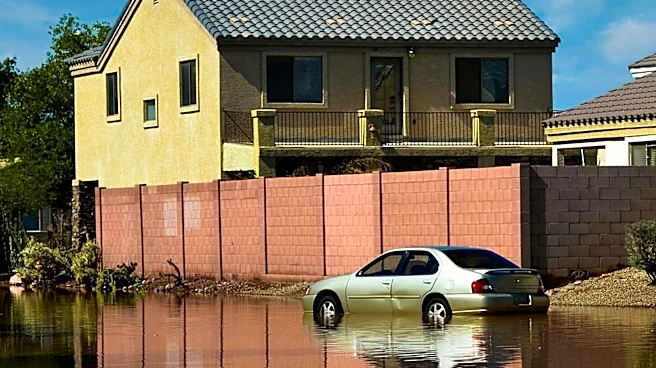
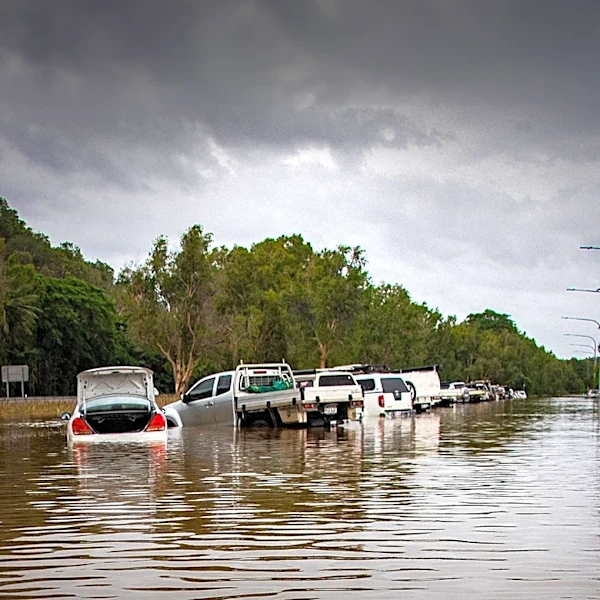
Heavy rain and thunderstorms have caused significant disruptions to transit services in New York City and surrounding areas. The National Weather Service reported that the storms could bring up to 3 inches of rain, leading to flash flooding and power
outages. The MTA and NJ Transit have experienced service suspensions and delays, particularly affecting the Staten Island Railway and several subway lines. The city's emergency response teams are actively working to mitigate the impact by clearing catch basins and monitoring flood-prone areas. Mayor Zohran Mamdani has urged residents to limit travel and heed weather warnings.
Why It's Important?
The severe weather highlights the vulnerability of New York City's infrastructure to extreme weather events. Disruptions in transit services can have widespread effects on the city's economy, affecting commuters, businesses, and emergency services. The situation underscores the need for resilient infrastructure and effective emergency management strategies to cope with increasingly frequent and severe weather patterns. The city's response to such events is critical in ensuring public safety and minimizing economic losses.
What's Next?
As the weather system continues to affect the region, transit agencies and city officials will need to focus on restoring normal service and addressing any infrastructure damage. Long-term, the city may need to invest in infrastructure improvements to better withstand future weather events. This could involve upgrading drainage systems, reinforcing transit facilities, and enhancing communication systems to provide timely updates to the public. The ongoing situation serves as a reminder of the importance of climate resilience planning in urban areas.