








What's Happening?
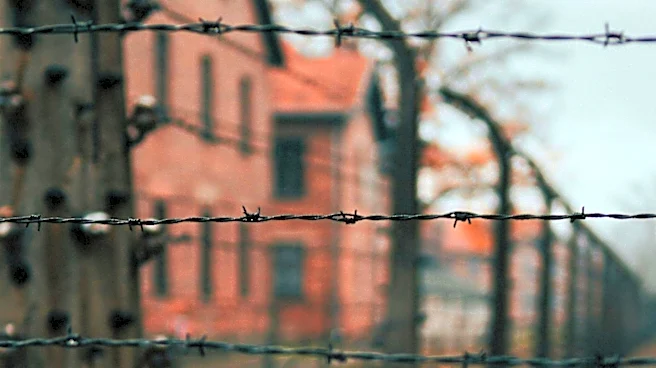
A study conducted by the Hebrew University of Jerusalem has found that children of Holocaust survivors face a higher risk of developing schizophrenia. The research, published in the American Journal of Psychiatry, indicates that children born to parents
who were older than five at the time of Nazi persecutions have a more than two-fold increased risk of schizophrenia. The study utilized data from the Jerusalem Perinatal Study, linking it to Israel's National Psychiatric Registry to monitor hospitalizations for schizophrenia. Researchers found that the trauma experienced by parents during the Holocaust could have intergenerational effects, impacting the mental health of their offspring decades later. The study highlights the long-term consequences of severe preconception trauma and suggests that the effects of such trauma can extend across generations.
Why It's Important?
The findings of this study underscore the profound and lasting impact of historical trauma on subsequent generations. It highlights the need for public health strategies to address the mental health burdens that can arise from such trauma. The research suggests that the effects of war and persecution are not limited to immediate victims but can also affect their descendants, potentially leading to increased healthcare needs and societal costs. Understanding these intergenerational effects is crucial for developing interventions and support systems for affected populations. The study also emphasizes the importance of peace and conflict resolution as a public health imperative, given the potential long-term mental health consequences of war and persecution.
What's Next?
The study's authors suggest that further research is needed to explore the biological and environmental pathways through which trauma is transmitted across generations. They also highlight the importance of studying other populations affected by war and genocide to understand the broader implications of their findings. The research team plans to continue investigating the intergenerational effects of trauma, potentially expanding their studies to include third-generation descendants and other historical contexts. This ongoing research could inform public health policies and interventions aimed at mitigating the long-term mental health impacts of historical trauma.
Beyond the Headlines
The study raises important ethical and cultural questions about how societies remember and address historical atrocities. It suggests that the legacy of trauma can persist long after the events themselves, affecting not only individuals but entire communities. This has implications for how societies approach reconciliation and healing, as well as for the support systems put in place for survivors and their descendants. The research also highlights the need for a nuanced understanding of mental health that takes into account historical and cultural factors, as well as the potential for resilience and recovery in affected populations.