


What's Happening?
The North American Aerospace Defense Command (NORAD) is continuing its long-standing tradition of tracking Santa Claus's journey around the world. This initiative, which has been in place for 70 years, involves more than 1,000 volunteers answering calls
from children and adults eager to know Santa's whereabouts. The program operates from 4 a.m. to midnight Mountain Standard Time on Christmas Eve, allowing people to follow Santa's journey in nine languages through the program's website. The tradition began in 1955 when a child mistakenly called NORAD's predecessor, the Continental Air Defense Command, asking to speak to Santa Claus. The commander on duty decided to play along, leading to the establishment of the Santa tracking tradition.
Why It's Important?
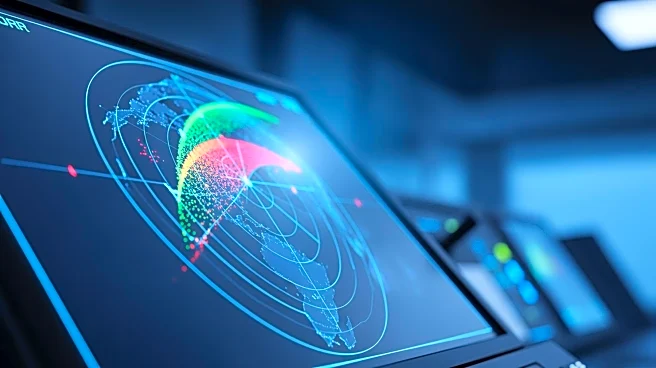
The NORAD Santa tracking tradition is significant as it represents a unique blend of military technology and holiday spirit, engaging people worldwide in a festive activity. It showcases the capabilities of NORAD's radar, satellites, and jets, which are typically used for national defense, in a light-hearted manner. This tradition also highlights the importance of community engagement and volunteerism, with over 1,000 volunteers participating each year. It serves as a reminder of the positive impact that military organizations can have beyond their primary defense roles, fostering goodwill and joy during the holiday season.
What's Next?
As NORAD continues this tradition, it is likely to expand its reach and accessibility, potentially incorporating more languages and technological advancements to enhance the experience for Santa trackers worldwide. The program's website may see increased traffic, prompting further developments in its digital infrastructure. Additionally, NORAD may explore new ways to engage with the public, such as interactive features or virtual reality experiences, to keep the tradition fresh and exciting for future generations.
Beyond the Headlines
The NORAD Santa tracking tradition also raises interesting cultural and ethical questions about the use of military resources for non-defense purposes. It reflects a broader trend of military organizations engaging in public relations activities to improve their image and connect with civilians. This tradition can be seen as a form of soft power, enhancing the perception of military institutions as approachable and community-oriented. Furthermore, it underscores the role of storytelling and myth-making in shaping public perceptions and fostering a sense of wonder and magic during the holiday season.