
What's Happening?
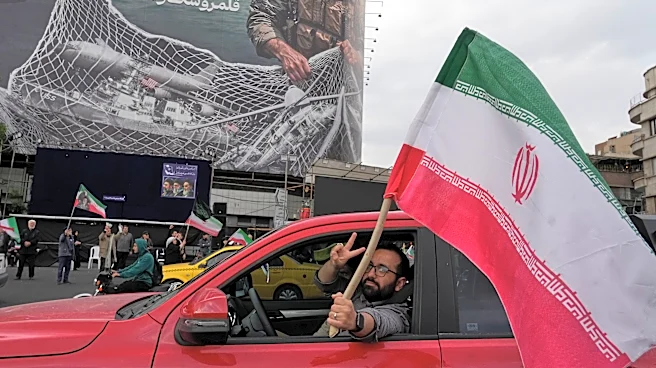
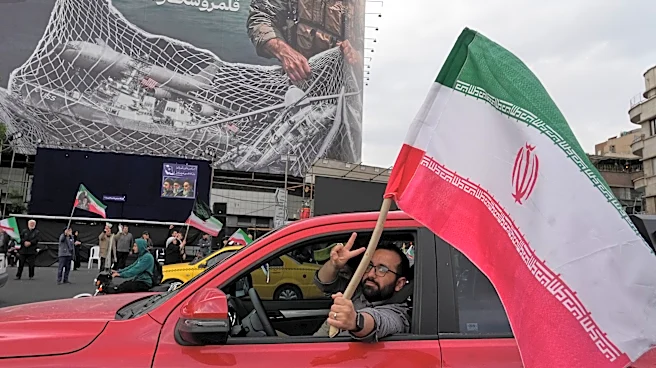
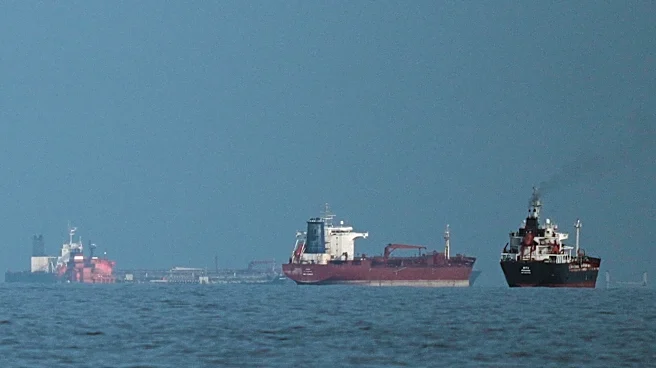
Captain Raman Kapoor and his ship have been stranded in the Persian Gulf near the Strait of Hormuz since February due to the ongoing conflict involving Iran. The situation has turned international shipping
routes into precarious zones, with vessels caught in the crossfire of geopolitical tensions. Captain Kapoor described the predicament as being 'collateral victims' of the broader conflict, emphasizing the challenges faced by those in the shipping industry as they navigate these dangerous waters. The Strait of Hormuz is a critical chokepoint for global oil transportation, and disruptions here have significant implications for international trade and energy supplies.
Why It's Important?
The stranding of ships like Captain Kapoor's underscores the broader economic and strategic implications of the conflict in the region. The Strait of Hormuz is one of the world's most vital maritime passages, with a significant portion of the world's oil supply passing through it. Disruptions in this area can lead to increased oil prices globally, affecting economies far beyond the immediate region. For the U.S., this situation highlights the vulnerabilities in global supply chains and the potential for geopolitical conflicts to impact domestic energy prices and economic stability. Stakeholders in the shipping and energy sectors are particularly concerned about the long-term implications of continued instability in the region.
What's Next?
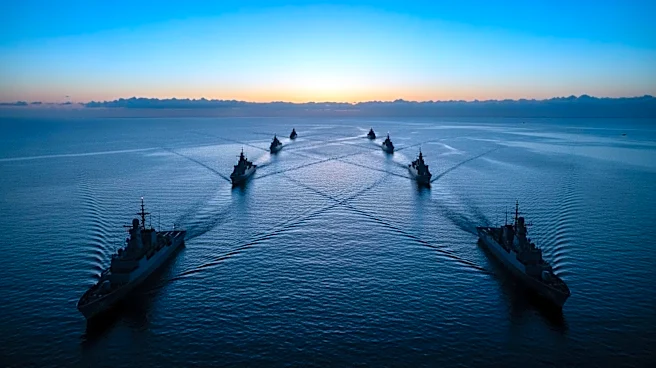
As tensions persist, international diplomatic efforts may intensify to ensure the safe passage of ships through the Strait of Hormuz. Shipping companies and governments are likely to seek assurances and potentially increase security measures to protect vessels in the area. The situation may also prompt discussions on diversifying energy supply routes and reducing dependency on this critical chokepoint. The outcome of ongoing diplomatic negotiations with Iran will be crucial in determining the future stability of shipping routes in the region.