
What's Happening?
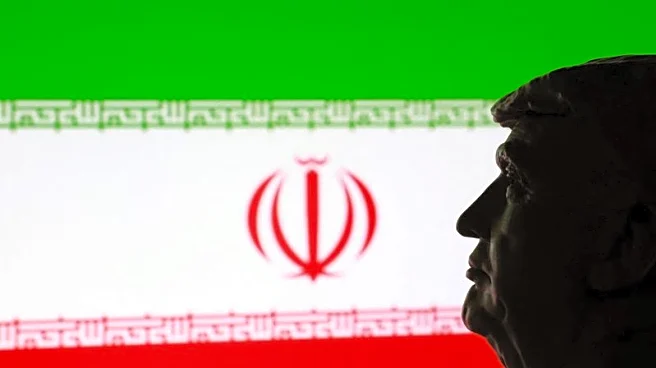
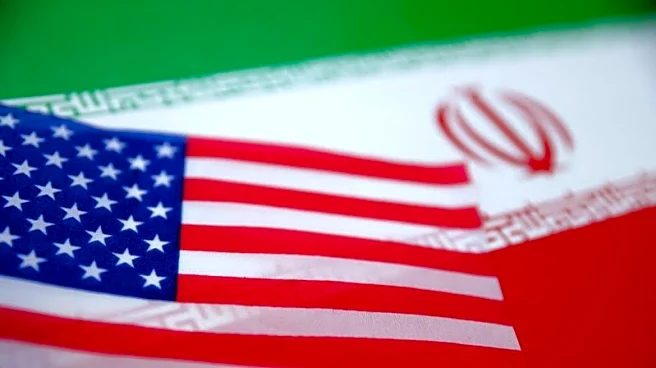
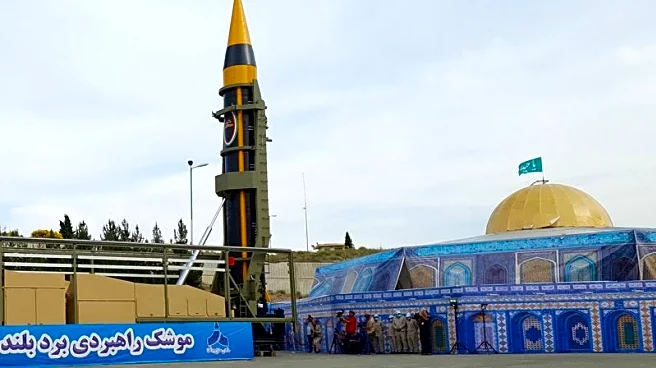
The Persian Gulf is currently experiencing heightened tensions between the United States and Iran, with President Trump adopting a 'locked and loaded' stance due to concerns over Iranian domestic unrest and regional influence. Iran has threatened to close
the Strait of Hormuz, a critical passageway through which approximately 20% of global seaborne oil is transported. This potential blockade poses a significant threat to the economies of Gulf Cooperation Council (GCC) member states, including Saudi Arabia, the UAE, Qatar, Kuwait, Oman, and Bahrain. These nations rely heavily on the Strait for exporting oil, and a closure could lead to oil prices surging past $120 per barrel. While some Gulf countries have alternative pipelines, such as Saudi Arabia's East-West pipeline and the UAE's Habshan-Fujairah pipeline, these are insufficient to handle the full capacity of oil exports, leading to potential revenue shortfalls and increased budget deficits.
Why It's Important?
The closure of the Strait of Hormuz would have immediate and severe economic repercussions for Gulf nations, potentially doubling Saudi Arabia's projected fiscal deficit for 2026. The increased insurance costs for tankers due to 'war risk premiums' are already impacting the maritime industry, reducing the competitiveness of Gulf exports. Furthermore, the geopolitical tensions threaten the Gulf's economic diversification efforts, such as Saudi Vision 2030, which depend on foreign direct investment and a stable environment. The Gulf's currencies, pegged to the U.S. dollar, could also be affected by fluctuations in American financial markets, impacting sovereign wealth funds and limiting resources for economic diversification.
What's Next?
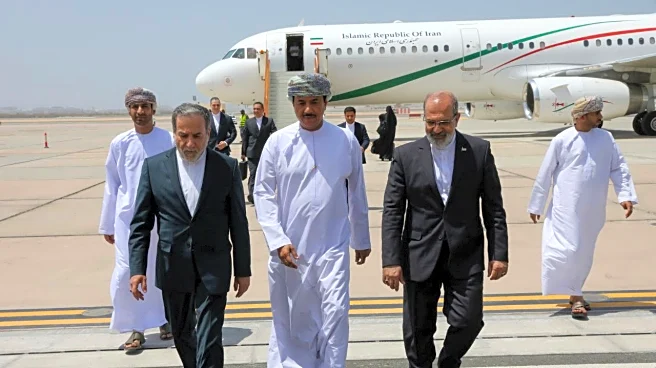
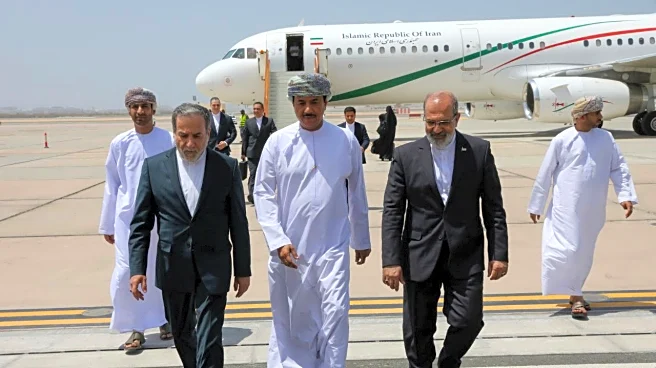
Diplomatic efforts are underway, with regional mediators like Turkey, Qatar, and Oman attempting to facilitate negotiations between the U.S. and Iran. The Gulf states, while allied with the U.S., are also neighbors to Iran and face the risk of Iranian retaliation against local infrastructure if conflict escalates. The outcome of these diplomatic efforts will be crucial in determining whether the Gulf can continue its path toward economic modernization or be drawn into regional conflict. The coming weeks of negotiations in Turkey will be pivotal in shaping the future economic landscape of the Gulf region.