
What's Happening?
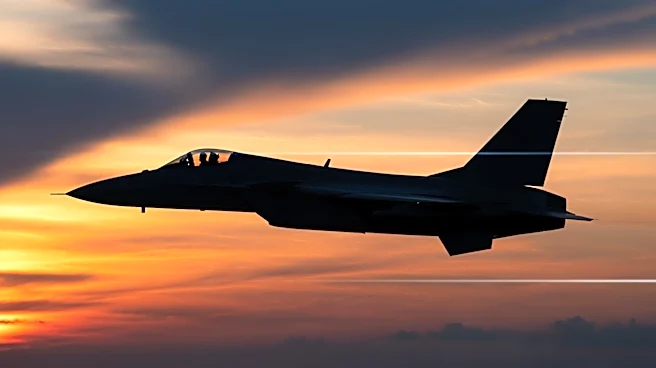
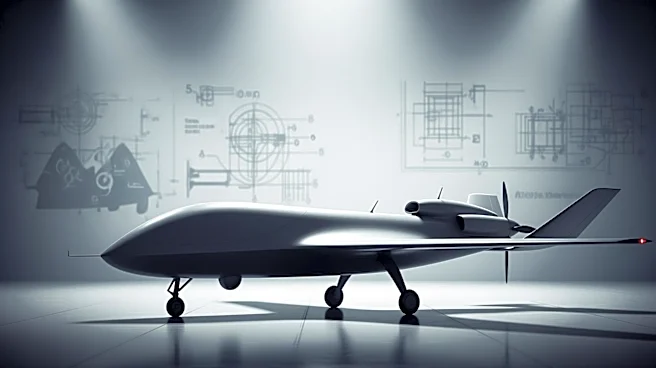
The YFQ-42A collaborative combat aircraft (CCA) prototype, developed by General Atomics Aeronautical Systems, has resumed flight tests following a crash on April 7. The crash, attributed to an autopilot
miscalculation regarding the aircraft's weight and center of gravity, led to a strategic pause in operations. During this pause, ground testing and technological maturation activities continued. The software issue has since been resolved, allowing the YFQ-42A to return to the skies. This aircraft is one of two contenders in the US Air Force's CCA Increment 1 competition, which aims to acquire 100-150 CCAs by the end of the decade.
Why It's Important?
The resumption of flight tests for the YFQ-42A marks a significant step forward in the development of collaborative combat aircraft, which are expected to play a crucial role in future military operations. These aircraft offer the potential for enhanced operational capabilities, including increased autonomy and reduced risk to human pilots. The successful resolution of the software issue demonstrates the resilience and adaptability of the development team, reinforcing confidence in the program. The competition between the YFQ-42A and its rival, the YFQ-44A, highlights the growing emphasis on unmanned systems in the US military's strategic planning.
What's Next?
As the YFQ-42A continues its flight tests, further evaluations will determine its readiness for operational deployment. The outcome of the CCA Increment 1 competition will shape the future of unmanned combat aircraft in the US Air Force. Continued advancements in autonomy and artificial intelligence are expected to enhance the capabilities of these systems, potentially leading to broader adoption across various military branches. The lessons learned from the YFQ-42A's development may also inform future projects and collaborations in the field of unmanned aerial vehicles.