
What's Happening?
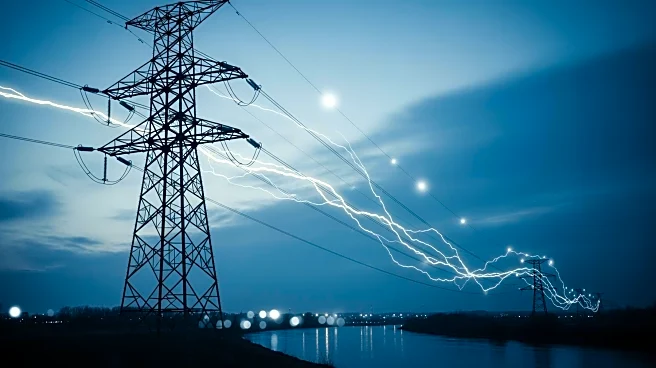
The New England Clean Energy Connect, a 145-mile high-voltage transmission line, is now operational, delivering hydroelectric power from Quebec to Massachusetts. With a capacity of 1,200 megawatts, the
line can satisfy about 20% of Massachusetts' electricity needs and is projected to save ratepayers $50 million annually. The project marks a significant environmental milestone for Massachusetts, which aims to zero-out carbon emissions by mid-century. Despite initial setbacks, including lawsuits and regulatory delays, the project has been completed, providing a cleaner and more cost-effective energy source for the region.
Why It's Important?
The operational status of the New England Clean Energy Connect represents a major step forward in Massachusetts' efforts to transition to renewable energy sources. By providing a substantial portion of the state's electricity needs through hydroelectric power, the project supports Massachusetts' environmental goals and offers significant cost savings to ratepayers. The initiative also highlights the challenges and complexities involved in developing large-scale infrastructure projects, particularly those that require cross-border cooperation and navigate environmental concerns.
What's Next?
The completion of the New England Clean Energy Connect may pave the way for additional renewable energy projects in the region. As electricity demand continues to rise, Massachusetts and other New England states may explore further investments in clean energy infrastructure. The project also sets a precedent for future collaborations between states and international partners, potentially influencing energy policy and market dynamics.
Beyond the Headlines
The project underscores the importance of regional cooperation in addressing energy needs and environmental goals. By leveraging hydroelectric power from Quebec, Massachusetts demonstrates the potential for cross-border partnerships in achieving sustainable energy solutions. The initiative also highlights the need for careful consideration of environmental impacts and community concerns in infrastructure development.