







What's Happening?
The Texas Transportation Commission has approved Phase II of the National Electric Vehicle Infrastructure (NEVI) program, allocating approximately $250 million to expand public electric vehicle (EV) charging infrastructure across the state. This initiative
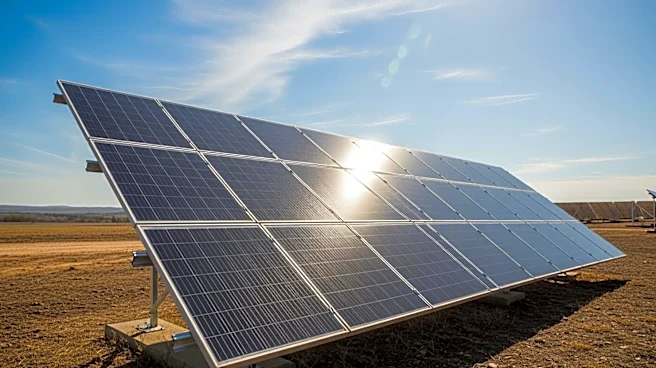
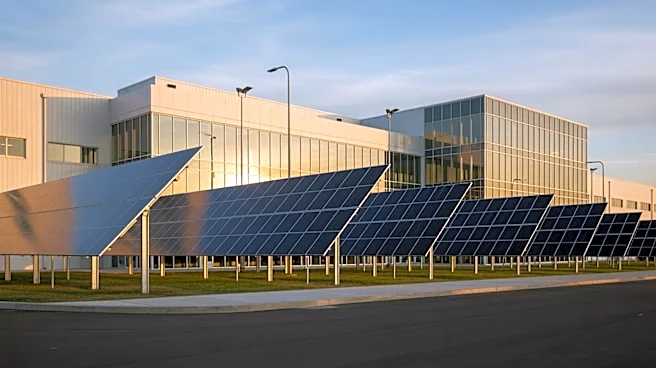
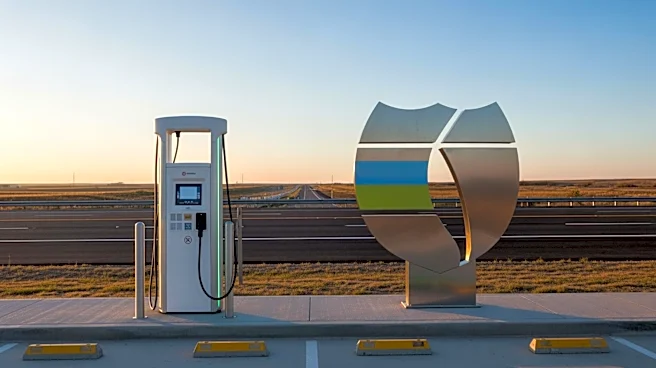
follows Phase I, which provided $53 million for 65 charging sites, 15 of which have been completed. The new phase aims to install at least 588 charging ports, with many sites potentially exceeding this number. The chargers will be strategically placed along major travel corridors and in rural areas to support long-distance EV travel and reduce range anxiety. The typical design for these stations includes four ports with a total power capacity of at least 300kW, allowing for efficient power distribution among multiple vehicles. Texas, which has over 330,000 fully electric vehicles, is also seeing a shift in its energy generation landscape, with solar power expected to surpass coal by 2026.
Why It's Important?
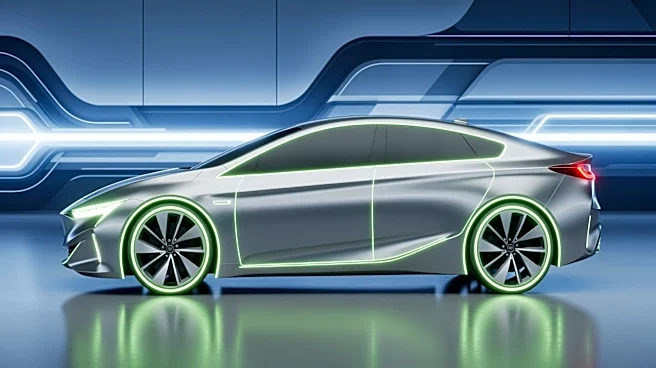
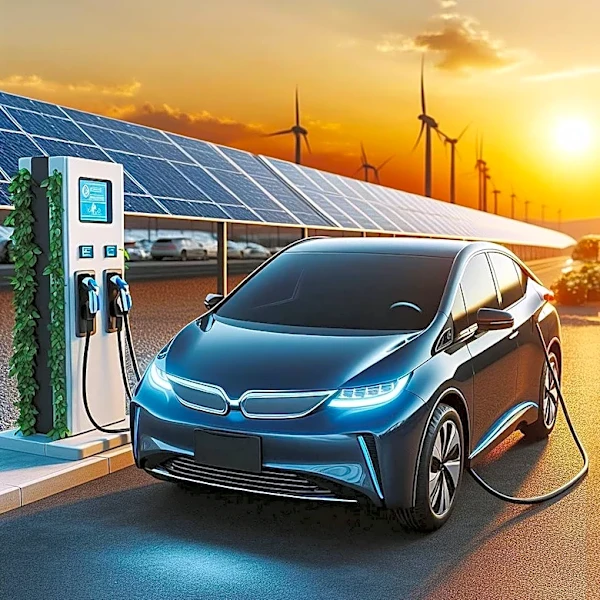
The expansion of EV charging infrastructure in Texas is crucial for supporting the growing number of electric vehicles in the state, which is already home to over 330,000 fully electric cars. By increasing the availability of fast chargers, the initiative aims to alleviate range anxiety, a common concern among potential EV buyers. This development is also significant in the context of Texas's energy transition, as the state is poised to generate more electricity from solar power than coal by 2026. The increased use of renewable energy sources for EV charging aligns with broader environmental goals and supports the state's position as a leader in clean energy. The investment in EV infrastructure is expected to boost local economies, create jobs, and encourage further adoption of electric vehicles, contributing to reduced greenhouse gas emissions and improved air quality.
What's Next?
As Phase II of the NEVI program progresses, stakeholders will monitor the installation of new charging stations and assess their impact on EV adoption rates. The strategic placement of chargers along travel corridors and in rural areas is expected to facilitate long-distance travel and support local communities. The success of this initiative could lead to further investments in EV infrastructure and renewable energy projects. Additionally, the shift towards solar power in Texas's energy mix may prompt other states to follow suit, accelerating the transition to cleaner energy sources nationwide. Policymakers and industry leaders will likely continue to advocate for supportive policies and incentives to sustain the momentum in EV adoption and renewable energy development.