






What's Happening?
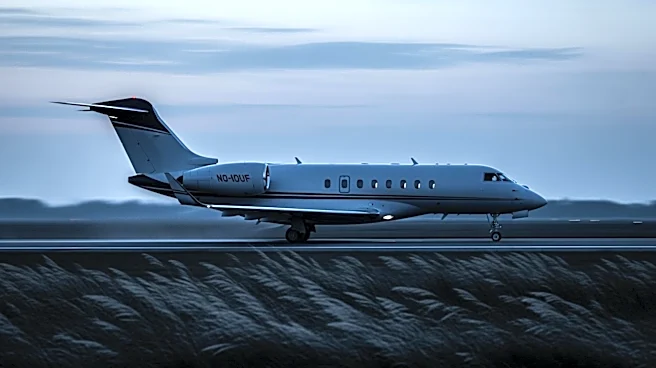
A National Transportation Safety Board (NTSB) report has concluded that a runway excursion involving a HondaJet at Orlando International Airport was caused by pilots exceeding the aircraft's crosswind limitations. The incident occurred on January 28,
2024, when the aircraft veered off the runway during landing, striking a runway sign and causing damage to the left wing. Despite the incident, the pilots managed to regain control and safely stop the aircraft on a taxiway, with no injuries reported among the two pilots and two passengers. The NTSB identified the primary cause as the flight crew's failure to maintain control in wind conditions that exceeded the aircraft's certified limits, compounded by the decision to continue the approach despite adverse weather warnings.
Why It's Important?
This incident highlights the critical importance of adhering to aircraft performance limitations and making conservative operational decisions, especially in challenging weather conditions. The NTSB's findings serve as a reminder to aviation professionals about the risks associated with exceeding operational limits and the potential consequences of such actions. The report underscores the need for rigorous adherence to safety protocols and the importance of making informed decisions based on real-time weather data. For the aviation industry, this incident may prompt a review of training programs and operational procedures to prevent similar occurrences in the future.
What's Next?
Following the NTSB's report, it is likely that HondaJet and other aviation stakeholders will review and possibly revise their training and operational procedures to emphasize the importance of adhering to crosswind limitations. The incident may also lead to increased scrutiny of decision-making processes in adverse weather conditions, with a focus on ensuring that flight crews are adequately prepared to make safe and informed choices. Additionally, the aviation industry may see a push for enhanced weather monitoring and communication systems to provide pilots with more accurate and timely information during flight operations.