





What's Happening?
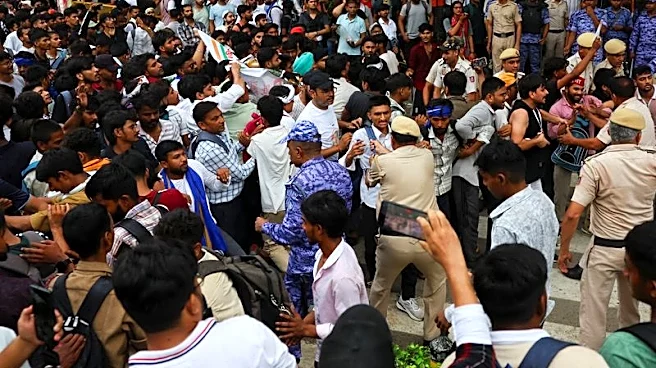
In New Delhi, Indian police have forcibly hospitalized Sonam Wangchuk, a prominent activist, after his health deteriorated during a 20-day hunger strike. The strike is part of the Cockroach Janta Party movement, which demands education reform and the resignation
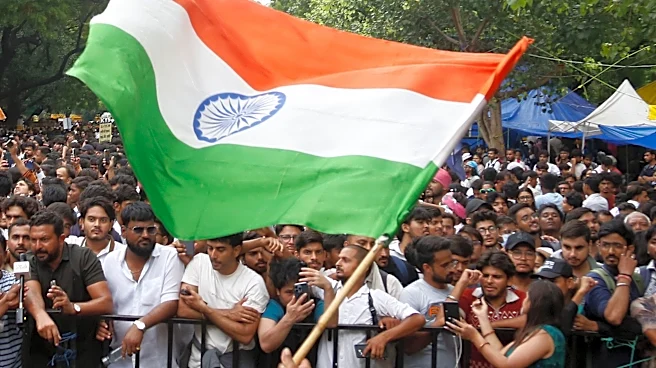
of Education Minister Dharmendra Pradhan following allegations of exam paper leaks. The movement also seeks compensation for families of students who died by suicide due to the leaks or exam results. The Cockroach Party, which gained popularity after a controversial remark by Supreme Court Chief Justice Surya Kant, has amassed significant support on social media.
Why It's Important?
The hospitalization of Sonam Wangchuk highlights the ongoing tensions and demands for education reform in India. The movement's focus on exam integrity and student welfare underscores the broader issues within the Indian education system. The government's response to the protests and the movement's growing support could influence public policy and political dynamics in India. The situation also raises questions about the role of activism and social media in driving political change.
What's Next?
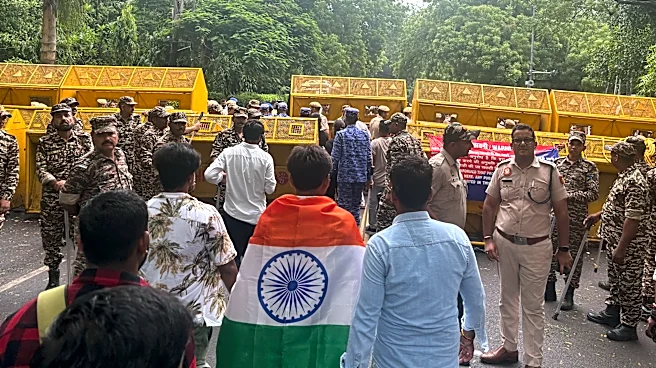
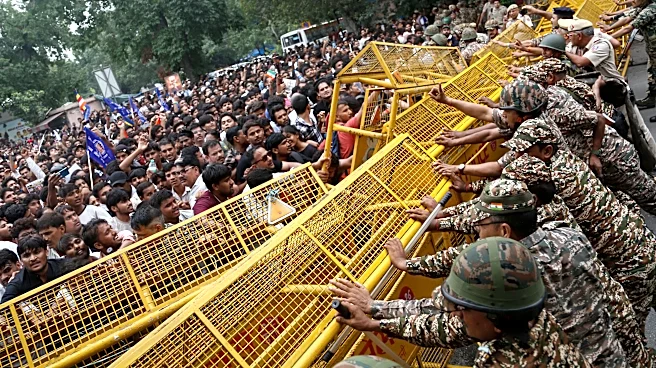
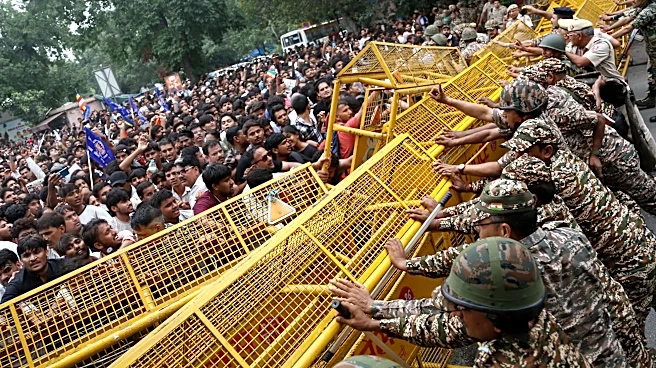
The Cockroach Party plans to continue its protests, with a march to India's Parliament scheduled for Monday. The movement's future actions and the government's response will be critical in determining the trajectory of education reform in India. Increased security measures around protest sites indicate the government's concern about potential unrest. The outcome of these protests could have lasting implications for India's education policies and political landscape.