


What's Happening?
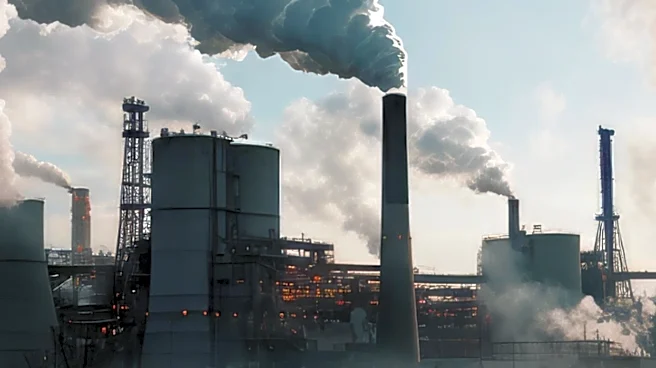
The Formosa Plastics plant in Point Comfort, Texas, has maintained its status as a 'satisfactory performer' by state regulators despite a long history of environmental contamination and worker safety issues. An investigation by Public Health Watch reveals
that the Texas Commission on Environmental Quality (TCEQ) has allowed the company to expand its plant ten times in 16 years, reduced fines, and permitted it to avoid spending on pollution controls. The plant is a major emitter of vinyl chloride, a known carcinogen, and ethylene dichloride (EDC), a probable carcinogen. Formosa has accumulated 587 environmental violations since 2010 but has been fined for only 71, totaling approximately $1.4 million. Worker safety is also a significant concern, with at least 122 injuries reported between 2020 and 2025, more than four other large Texas chemical facilities combined. The company has also stored hazardous waste without a permit for 18 years.
Why It's Important?
This situation highlights a critical failure in environmental and worker protection oversight in Texas. The continued operation and expansion of a facility with such a record of violations and accidents pose significant risks to public health and the environment. The EPA has concluded that EDC presents an 'unreasonable risk' to industrial workers due to its potential to cause cancer and damage vital organs. The TCEQ's classification of Formosa as a 'satisfactory performer' despite its history undermines the credibility of regulatory processes and suggests a prioritization of corporate interests over public safety. This leniency can lead to increased exposure to carcinogens for workers and surrounding communities, potential ecological damage, and a lack of accountability for serial polluters, setting a dangerous precedent for industrial regulation.
What's Next?
Despite the extensive findings, Formosa Plastics has not indicated any immediate changes to its operations, stating it 'takes its environmental and workplace safety responsibilities seriously.' The TCEQ has declined to comment on the investigation's findings. State Senator Lois W. Kolkhorst has stated she will 'take a closer look at these claims and consult with the TCEQ,' while State Senator Molly Cook plans to focus on ensuring TCEQ permits are not 'rubber stamps' for polluters in the coming legislative session. The EPA is expected to decide next year whether vinyl chloride presents an unreasonable risk to workers or the public, which could lead to stricter regulations. Without significant regulatory intervention or public pressure, the plant is likely to continue its current operational practices, potentially leading to further environmental incidents and worker injuries.
Beyond the Headlines
The case of Formosa Plastics in Texas reveals a broader pattern of regulatory capture or insufficient enforcement capacity within state environmental agencies. The disparity between the severity of violations and the minimal penalties imposed suggests that current deterrents are ineffective for large corporations. This situation raises fundamental questions about environmental justice, as communities living near such industrial facilities, often low-income and minority populations, bear a disproportionate burden of pollution and health risks. The lack of proactive oversight and the reactive nature of safety programs, as described by former OSHA officials, indicate a systemic vulnerability that could lead to catastrophic events. This ongoing issue underscores the need for stronger federal oversight, increased funding for regulatory bodies, and greater transparency in environmental enforcement to protect both workers and the public.