







What's Happening?
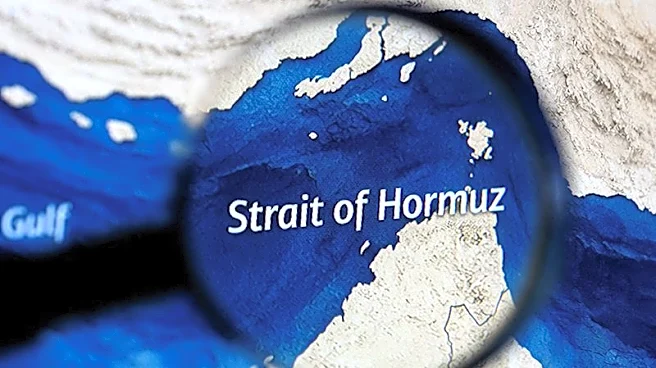
Amena Bakr, Head of Middle East & OPEC Insights at Kpler, has cautioned that despite a recent ceasefire, oil prices are expected to remain elevated. The ongoing supply disruptions and shipping backlogs are anticipated to take months to resolve. These
logistical challenges continue to impact the global oil market, keeping prices high even as geopolitical tensions ease. The ceasefire, while a positive development, does not immediately address the underlying issues affecting oil supply chains.
Why It's Important?
The sustained high oil prices have significant implications for the global economy, particularly for industries reliant on oil and gas. In the U.S., consumers and businesses may face increased costs, affecting everything from transportation to manufacturing. The situation underscores the vulnerability of global supply chains to geopolitical events and the importance of diversifying energy sources. Policymakers and industry leaders may need to consider long-term strategies to mitigate the impact of such disruptions on the economy.
What's Next?
As the situation unfolds, stakeholders will be closely monitoring the resolution of supply chain issues and the potential for further geopolitical developments. The oil industry may need to adapt to prolonged disruptions, possibly accelerating investments in alternative energy sources. Governments and international organizations might engage in diplomatic efforts to stabilize the region and ensure a steady flow of oil. The effectiveness of these measures will be crucial in determining the future trajectory of oil prices.