






What's Happening?
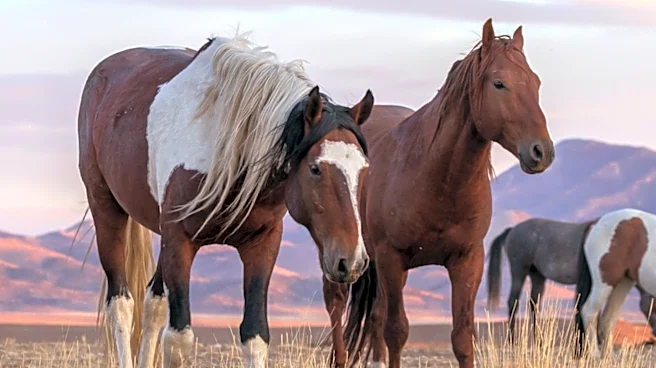
Congressman Steve Cohen and Congresswoman Dina Titus, alongside 16 other lawmakers, have sent a bipartisan, bicameral letter to the Government Accountability Office (GAO) requesting a review of the Bureau of Land Management’s (BLM) Wild Horse and Burro
Program. This request stems from reports suggesting that some wild horses may have been sent to slaughter. The lawmakers are urging the GAO to investigate several aspects of the program, including how the BLM utilizes its sale authority, the screening process for purchasers, the fate of animals after they are sold, and whether current practices adhere to congressional restrictions and federal law. The letter emphasizes that an independent review is crucial for assessing oversight mechanisms and identifying potential policy changes to prevent wild horses from entering the slaughter pipeline. This initiative highlights ongoing concerns about the welfare of wild horses and burros managed by the federal government.
Why It's Important?
This congressional request is important because it addresses significant animal welfare concerns and potential mismanagement within a federal program. The Wild Horse and Burro Program is responsible for managing these animals on public lands, and allegations of horses being sent to slaughter, despite protections, raise serious questions about the program's integrity and effectiveness. A GAO review could lead to increased transparency and accountability in how the BLM handles these animals, potentially resulting in stricter regulations on sales and purchaser screening. For animal advocacy groups, this represents a critical step towards ensuring the humane treatment of wild horses and burros. For taxpayers, it signifies an effort to ensure federal funds are used responsibly and in accordance with legislative intent. The outcome of this review could influence future legislative actions regarding animal welfare and the management of public lands, impacting both environmental policy and the ethical treatment of wildlife.
What's Next?
The Government Accountability Office will now consider the request from Congressman Cohen, Congresswoman Titus, and their colleagues. If the GAO decides to proceed, it will initiate an independent review of the BLM's Wild Horse and Burro Program. This review would involve a thorough examination of the program's operations, policies, and compliance with existing laws. Depending on the findings, the GAO could issue recommendations for improvements, which might include changes to sale procedures, enhanced purchaser vetting, or stricter enforcement of animal welfare guidelines. These recommendations could then prompt legislative action from Congress or policy adjustments by the BLM. Stakeholders, including animal welfare organizations, ranchers, and environmental groups, will likely closely monitor the GAO's decision and the subsequent review process, advocating for their respective interests regarding the future of wild horse and burro management.
Beyond the Headlines
Beyond the immediate concerns of animal welfare, this request touches upon broader themes of federal land management and the balance between conservation and economic interests. The Wild Horse and Burro Program has long been a point of contention, with debates over herd sizes, ecological impacts, and the cost of managing these populations. The potential for wild horses to end up in slaughterhouses underscores a systemic issue that could reflect inadequate oversight or loopholes in existing regulations. This situation also highlights the ethical responsibilities of government agencies in managing wildlife and the public's expectation for humane treatment. A comprehensive review could expose deeper structural issues within federal programs, prompting a re-evaluation of how public resources are allocated and how ethical considerations are integrated into policy-making. The outcome could set precedents for accountability in other federal programs involving animal management or resource allocation.