








What's Happening?
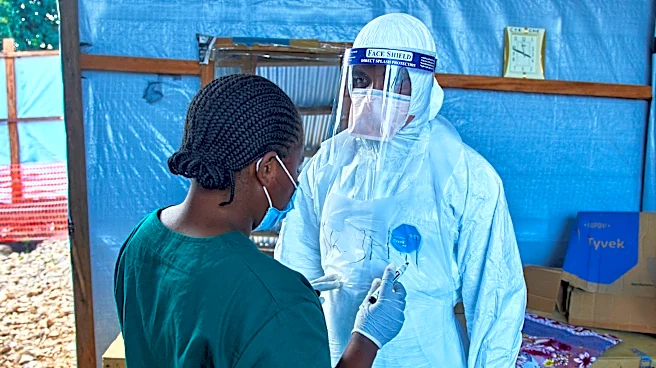
In response to the ongoing Ebola outbreak in the Democratic Republic of Congo (DRC), clinical trials have commenced to test new treatments for the Bundibugyo strain of the virus. This strain, less common than the Zaire strain, currently lacks specialized
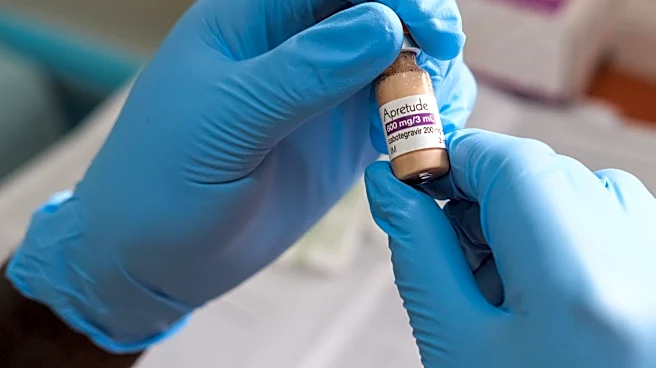
treatments. The World Health Organization (WHO) has announced the enrollment of the first patients in trials testing two drugs: remdesivir and MBP-134. These trials are part of a collaborative effort involving WHO, Africa CDC, universities, and nonprofits. The trials aim to determine the effectiveness of these drugs in improving survival rates among Ebola patients. Additionally, a separate trial will explore the use of obeldesivir pills as a post-exposure prophylaxis to prevent the spread of the virus among those exposed.
Why It's Important?
The initiation of these clinical trials represents a significant step forward in addressing the Ebola outbreak in the DRC. The development of effective treatments for the Bundibugyo strain could potentially save thousands of lives and prevent the outbreak from escalating further. The trials also highlight the importance of conducting research alongside outbreak responses to ensure timely and effective interventions. Success in these trials could lead to the availability of new tools for managing Ebola outbreaks, enhancing global health security. The involvement of international organizations and the U.S. government underscores the collaborative effort required to tackle such public health challenges.
What's Next?
The clinical trials are expected to take several months, with researchers monitoring the effectiveness of the drugs in improving patient survival rates. If successful, these treatments could be deployed more widely to control the outbreak. The trials also pave the way for future research into vaccines and other preventive measures. Building trust within affected communities will be crucial for the success of the trials, as ongoing conflict and mistrust of health workers pose significant challenges. Efforts to engage with local communities and ensure transparent communication will be essential in overcoming these obstacles and ensuring the ethical conduct of the trials.