
What's Happening?
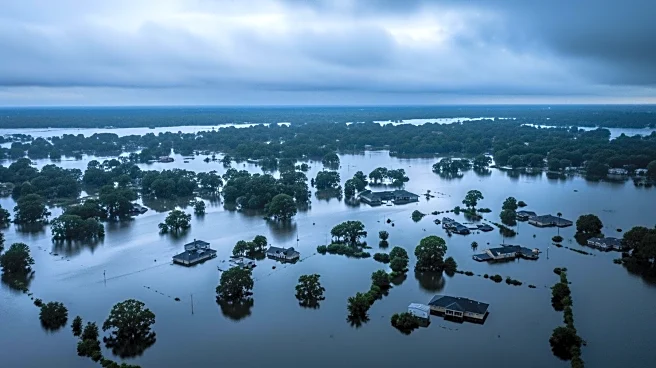
South Africa has declared a national disaster due to severe weather conditions that have resulted in deadly floods across various regions of the country. The Ministry of Cooperative Governance and Traditional
Affairs announced that heavy rainfall, strong winds, and lightning have caused significant loss of life, damage to infrastructure, and environmental degradation. The floods have displaced communities and disrupted activities in provinces such as Limpopo, Mpumalanga, KwaZulu-Natal, Eastern Cape, and North West. The iconic Kruger National Park has also been affected, with some parts being shut down. The declaration follows a comprehensive assessment of the adverse weather conditions since late November, and visits by President Cyril Ramaphosa and other officials to the affected areas.
Why It's Important?
The declaration of a national disaster in South Africa highlights the severe impact of climate-related events on communities and infrastructure. This situation underscores the vulnerability of regions to extreme weather conditions, which can lead to significant humanitarian and economic challenges. The floods have disrupted daily life, affecting schools, farmers, and tourism, particularly in areas like the Kruger National Park. The government's response, requiring all state organs to enhance disaster management systems and implement contingency measures, reflects the need for coordinated efforts to address such crises. This event serves as a reminder of the broader implications of climate change and the importance of preparedness and resilience in mitigating its effects.
What's Next?
In response to the national disaster declaration, South African authorities are expected to focus on bolstering disaster management systems and implementing contingency measures. All state organs are required to submit progress reports to the National Disaster Management Centre (NDMC) and ensure a coordinated, multisectoral approach to prevention, mitigation, relief, and rehabilitation. The government will likely prioritize efforts to restore infrastructure, support displaced communities, and prevent further environmental degradation. The international community may also offer assistance, highlighting the need for global cooperation in addressing climate-related disasters.