




What's Happening?
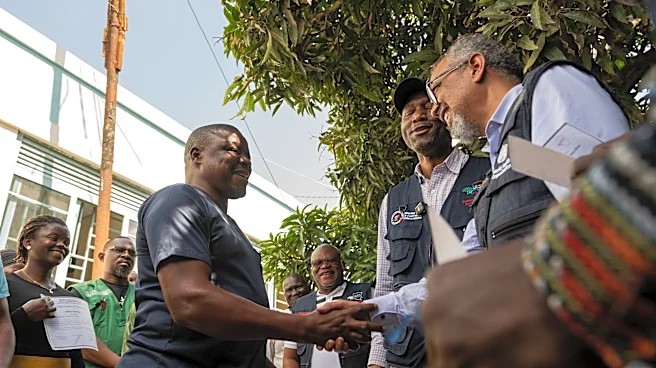
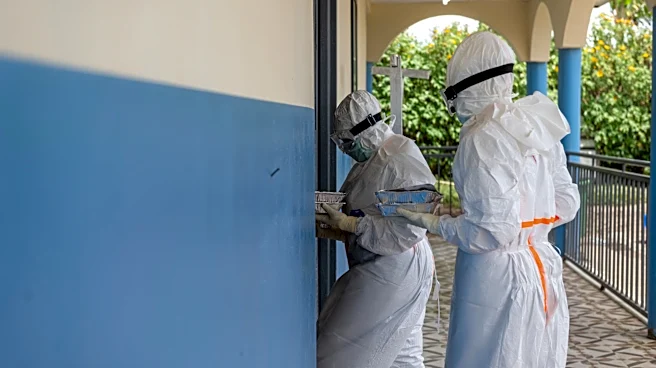
In Bunia, Congo, volunteers are preparing meals for patients and health workers as the region grapples with an Ebola outbreak caused by the Bundibugyo virus. Arlette Basekawike, a volunteer for the United Nations food agency, is among those providing
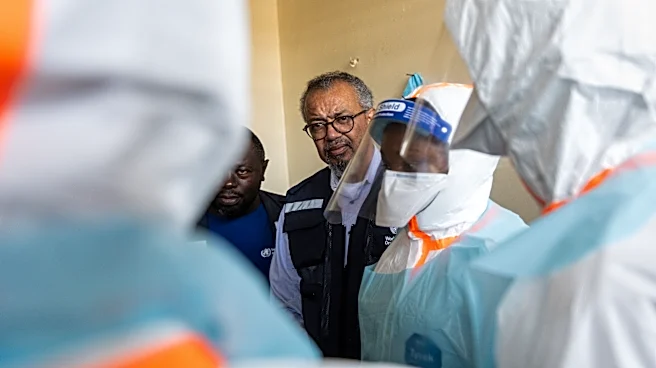
critical support by cooking meals at the Evangelical Medical Center. The outbreak has resulted in 321 confirmed cases and 48 deaths in Congo's eastern provinces. The World Food Program faces challenges due to aid cuts and ongoing conflict, complicating efforts to manage the virus's spread. Despite these difficulties, volunteers continue to meet nutritional needs, aiding recovery and treatment.
Why It's Important?
The volunteer efforts are crucial in supporting health workers and patients during the Ebola outbreak, ensuring they receive necessary nutrition to combat the disease. The outbreak exacerbates existing food insecurity in the region, which is already affected by conflict and displacement. The World Food Program's struggle with funding highlights the need for sustained international support to address both the health crisis and food shortages. The situation underscores the interconnectedness of health and humanitarian challenges, requiring coordinated responses from global partners.
What's Next?
As the outbreak continues to spread, the need for increased funding and resources becomes more urgent. The World Food Program may need to prioritize aid distribution, potentially leaving some cases without support. International organizations and governments may be called upon to provide additional assistance to prevent further deterioration of the situation. Efforts to contain the virus will likely involve enhanced security measures and community engagement to overcome resistance and ensure effective treatment.
Beyond the Headlines
The Ebola outbreak in Congo highlights broader issues of health infrastructure and crisis management in regions affected by conflict. The reliance on volunteers and limited resources points to systemic challenges in addressing public health emergencies. Long-term solutions may involve strengthening local health systems and improving coordination among international aid agencies to build resilience against future outbreaks.