





What's Happening?
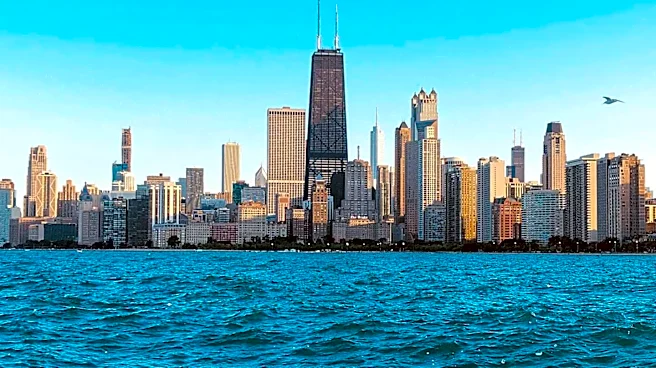
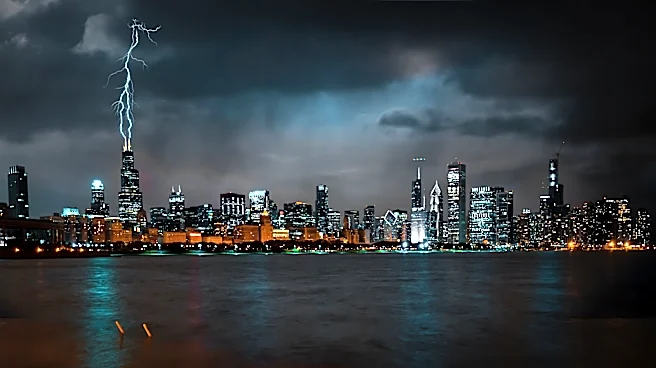
Chicago's Deep Tunnel stormwater retention system is nearing capacity following a period of near-record rainfall. The system, designed to capture and store stormwater and sewage, is almost full after an especially rainy start to the summer. The Thornton
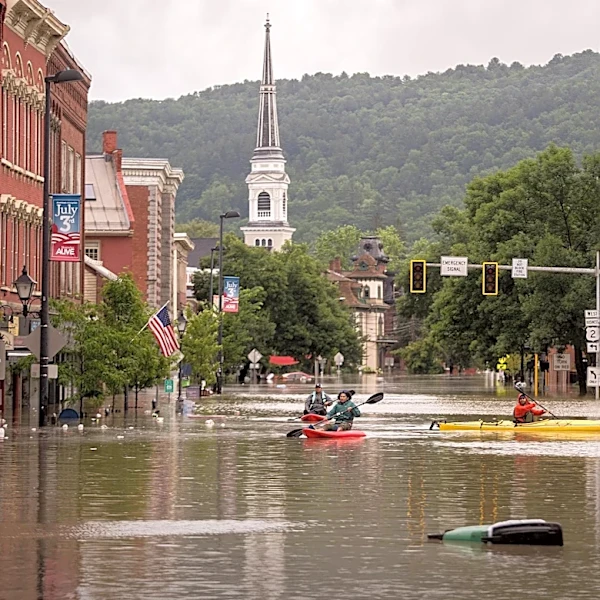
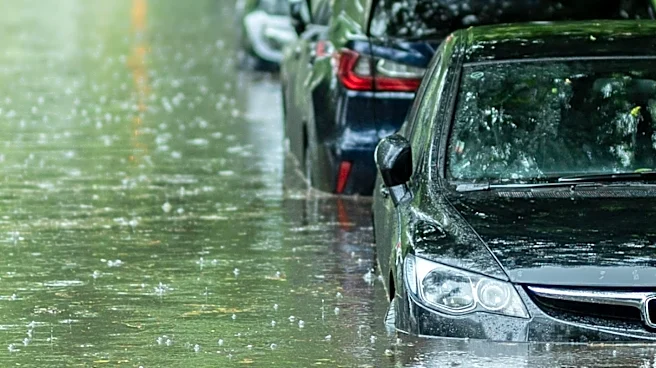
Reservoir, serving the South Side and surrounding suburbs, is 94% full, while the McCook Reservoir, serving central Chicago, has reached capacity for the sixth time this year. This situation raises concerns about potential river flooding in the south suburbs if the reservoirs overflow. The heavy rainfall has already caused significant flooding in parts of the city, with some areas receiving more rain in 48 hours than is typical for the entire month of July.
Why It's Important?
The near-capacity status of Chicago's flood prevention system underscores the challenges cities face in managing extreme weather events, which are becoming more frequent due to climate change. The potential for flooding poses risks to infrastructure, property, and public safety, highlighting the need for robust and adaptable water management systems. The situation in Chicago reflects broader trends of increasing precipitation and storm severity, necessitating investments in infrastructure upgrades and expansion to accommodate future weather patterns. Effective flood management is crucial for protecting urban areas and ensuring the resilience of communities against climate-related impacts.
What's Next?
Chicago may need to accelerate plans to expand its stormwater management infrastructure, including the ongoing expansion of the McCook Reservoir, which is expected to add significant capacity by 2032. In the short term, city officials and residents must remain vigilant and prepared for potential flooding, especially with more rain forecasted later in the week. Long-term strategies may involve enhancing green infrastructure, improving drainage systems, and implementing policies to mitigate the effects of climate change. Collaboration between government agencies, engineers, and the community will be essential to develop effective solutions and ensure the city's resilience against future flooding events.