







What's Happening?
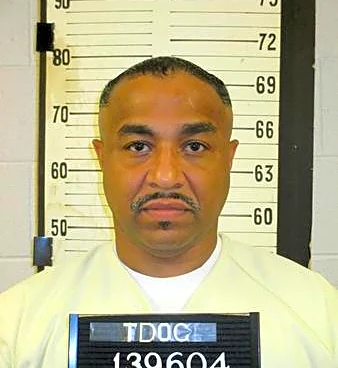
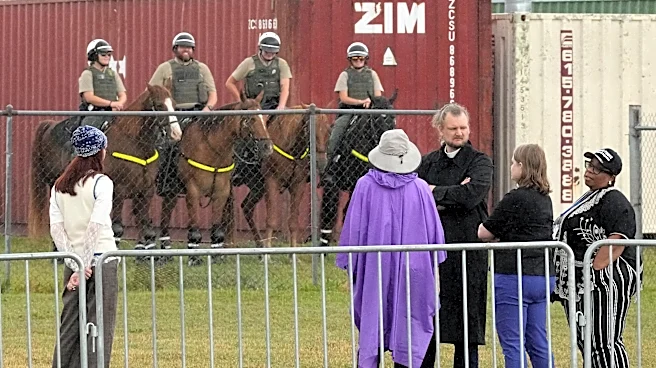
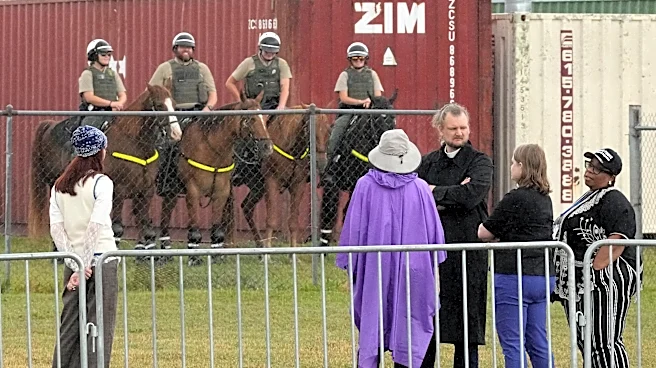
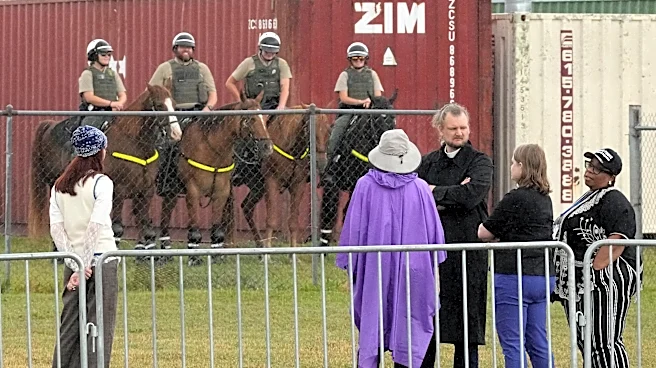
Tony Carruthers, a death row inmate in Tennessee, was granted a one-year reprieve after medical personnel failed to find a suitable vein for a lethal injection. The execution was scheduled to take place at Riverbend Maximum Security Institution in Nashville.
Despite establishing a primary IV line, the medical team could not find a backup vein, as required by the state's lethal injection protocol. Tennessee Governor Bill Lee intervened, granting Carruthers a temporary reprieve. Carruthers was convicted for the 1994 kidnappings and murders of three individuals, but he has maintained his innocence, arguing that there was insufficient physical evidence to support his conviction.
Why It's Important?
This incident highlights ongoing debates about the ethics and effectiveness of lethal injection as a method of execution. The failed execution attempt raises questions about the humane treatment of inmates and the reliability of current protocols. It also underscores the broader national conversation about the death penalty, with some states reconsidering its use due to similar issues. The reprieve provides temporary relief for Carruthers, but it also places pressure on Tennessee's legal and correctional systems to address these procedural shortcomings.
What's Next?
The one-year reprieve allows time for further legal review and potential appeals in Carruthers' case. It may also prompt Tennessee to reevaluate its execution protocols to prevent similar occurrences in the future. Advocacy groups and legal experts are likely to use this case to push for broader reforms in the state's approach to capital punishment. The situation could influence public opinion and legislative action regarding the death penalty in Tennessee and beyond.