






What's Happening?
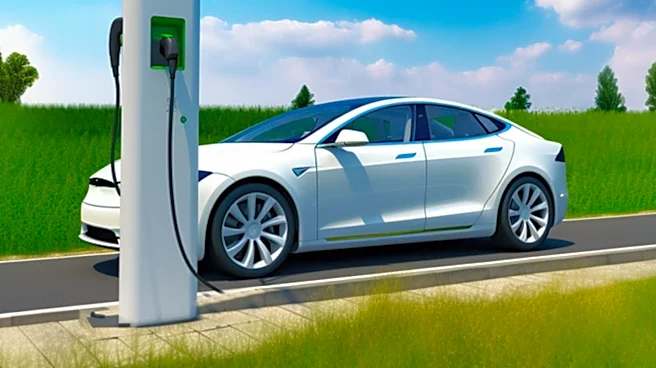
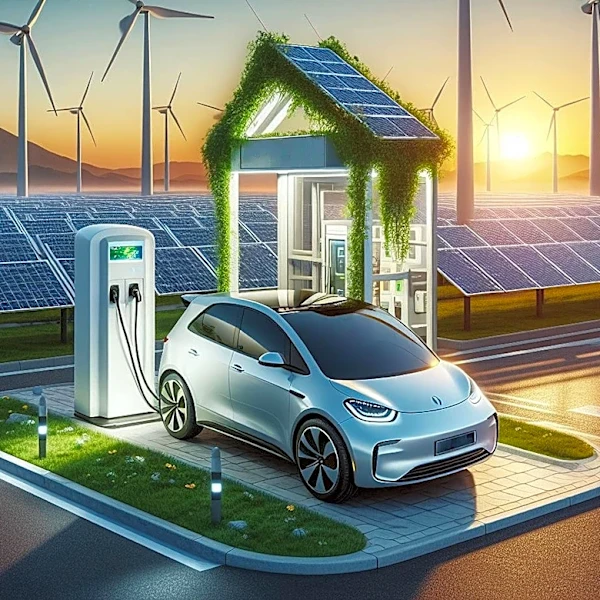
Canada is advancing its electric vehicle (EV) infrastructure with a new federal investment of $10.9 million CAD. This funding is aimed at enhancing public charging networks and supporting educational initiatives to facilitate the transition to battery
electric vehicles across the nation. The investment includes $9 million for the installation of nearly 400 chargers under the Zero Emission Vehicle Infrastructure Program and $2 million for 13 education and awareness projects. These efforts are part of a broader strategy to modernize Canada's electricity grid, which includes a recent $5.9 million investment by Natural Resources Canada for the Prince Edward Island–New Brunswick Interconnection Expansion Project. This project will install new submarine cables and upgrade transmission lines to support grid modernization.
Why It's Important?
The investment in EV infrastructure is crucial for Canada's transition to a low-carbon economy. By expanding charging networks, the government aims to make electric vehicles more accessible and practical for Canadians, particularly those living in multi-family residential buildings where charging can be challenging. This initiative supports Canada's commitment to reducing greenhouse gas emissions and aligns with its broader Auto Strategy, which seeks to create jobs and strengthen the economy. The focus on education and awareness is also significant, as it addresses the knowledge gap that can hinder the adoption of electric vehicles. Overall, these efforts are expected to enhance grid resilience and reliability, contributing to a sustainable energy future.
What's Next?
As Canada continues to invest in EV infrastructure, the focus will likely shift towards overcoming the challenges of installing charging equipment in multi-unit residential buildings. The government may also explore additional funding opportunities to further expand the charging network and support the growing demand for electric vehicles. Stakeholders, including condo boards and property managers, will need to collaborate to implement practical solutions for residents. The success of these initiatives could serve as a model for other countries looking to modernize their electric grids and promote sustainable transportation.
Beyond the Headlines
The push for electric vehicle infrastructure in Canada highlights the intersection of environmental policy and urban planning. As cities grow and evolve, integrating sustainable transportation solutions becomes increasingly important. The emphasis on education and awareness also underscores the need for public engagement in achieving environmental goals. Additionally, the investment in grid modernization reflects a broader trend towards enhancing energy security and resilience in the face of climate change. These developments could lead to long-term shifts in how energy is produced, distributed, and consumed in Canada.