




What's Happening?
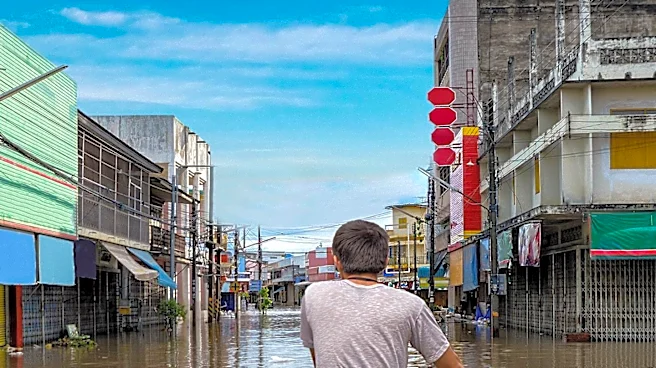
The Philippines is actively advocating for international climate financing to be more readily accessible to local governments and communities. These local entities are often at the forefront of implementing adaptation projects and directly confronting
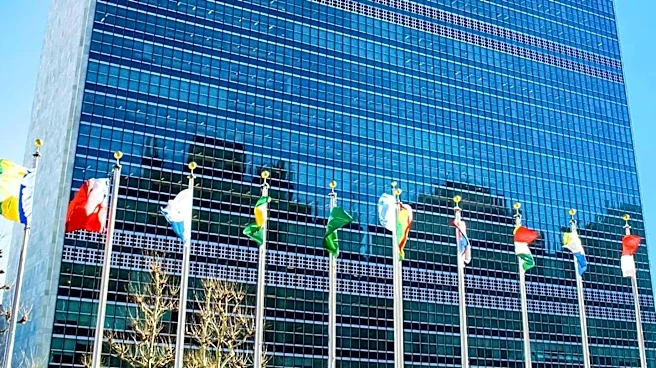
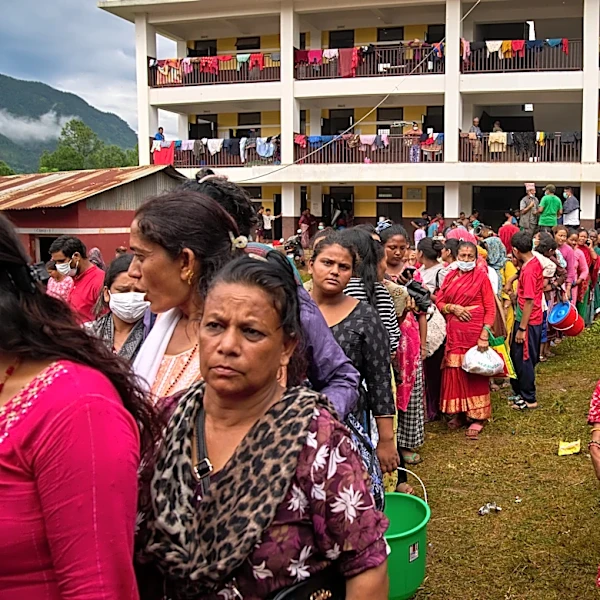
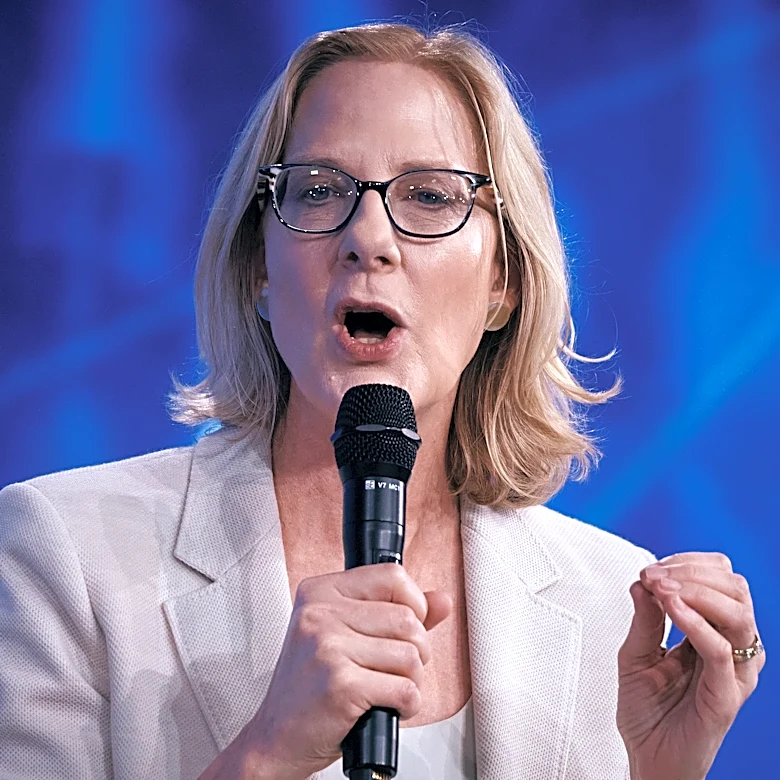
climate risks. Robert E.A. Borje, Climate Change Commission Vice Chairperson and Executive Director, raised this critical issue during the 30th meeting of the United Nations Framework Convention on Climate Change Adaptation Committee in Baku, Azerbaijan. The committee was discussing potential themes for its 2027 work on adaptation finance. Borje, representing developing countries on the Adaptation Committee, emphasized that the challenge is not merely the availability of financing but whether communities can effectively access and utilize these funds where they are most needed. The Philippine government is working to implement and localize its National Adaptation Plan, which includes assisting local governments in developing climate-resilient projects and securing necessary financing.
Why It's Important?
The push by the Philippines for easier local access to international climate funds is crucial for several reasons. Developing countries, including the Philippines, are disproportionately affected by climate change impacts, yet often face significant institutional, technical, and financial barriers in accessing global climate finance. By empowering local governments and communities with direct access to these funds, adaptation projects can be implemented more efficiently and effectively, tailored to specific local needs and vulnerabilities. This approach can accelerate the development of climate-resilient infrastructure, improve early warning systems, and support sustainable livelihoods, thereby reducing the human and economic costs of climate disasters. The current system often involves complex bureaucratic processes that hinder timely and impactful interventions, making the proposed reforms vital for equitable climate action and fostering greater local ownership of adaptation efforts.
What's Next?
The United Nations Framework Convention on Climate Change Adaptation Committee is considering local-level adaptation finance as a potential focus for its 2027 dialogue. This discussion will examine how international climate funds can reach local actors, the roles of governments and other institutions, and countries' experiences in overcoming financing obstacles. The Philippines' Climate Change Commission has also convened the first steering committee meeting of its Adaptation Investment Platform. This platform aims to transform national adaptation priorities into investment-ready projects and connect them with public, private, and concessional financing. Borje stressed that financing mechanisms should address existing barriers without creating new requirements that further complicate access. The outcome of these discussions and initiatives will determine the future landscape of climate finance accessibility for vulnerable communities globally.
Beyond the Headlines
The debate over local access to international climate funds highlights a fundamental tension in global climate governance: the disconnect between high-level policy commitments and on-the-ground implementation. While international bodies and developed nations pledge billions for climate action, the actual flow of these funds to the most vulnerable communities is often impeded by complex eligibility criteria, administrative burdens, and a lack of capacity at the local level. This situation raises questions about the effectiveness and equity of current climate finance architecture. A shift towards direct local access could foster greater transparency, accountability, and ownership, ensuring that funds are utilized in ways that are culturally appropriate and context-specific. It also challenges the traditional top-down development model, advocating for a more decentralized and participatory approach to climate resilience building, which could have broader implications for international aid and development paradigms.