
What's Happening?
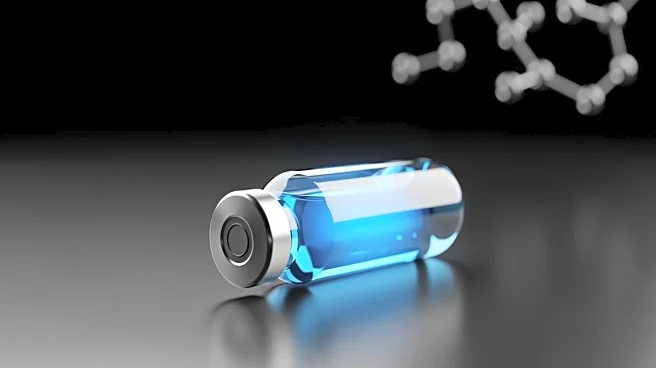
Moderna and Merck have announced promising results from a Phase 2 clinical trial of their experimental mRNA cancer vaccine, intismeran autogene (mRNA-4157 or V940). The vaccine, designed to target high-risk
skin cancers, showed a nearly 50% reduction in cancer recurrence and death over five years compared to standard treatment alone. The trial involved 157 patients with stage 3 or 4 melanoma, who received the vaccine in addition to Merck's immunotherapy drug Keytruda. The vaccine is tailored to each patient's cancer, using genetic instructions to train the immune system to attack cancer cells.
Why It's Important?
The success of this mRNA vaccine could revolutionize cancer treatment, offering a personalized approach that enhances the body's immune response to cancer. This development is significant for the pharmaceutical industry and patients, potentially improving survival rates and reducing recurrence. The results also underscore the potential of mRNA technology, which gained prominence with COVID-19 vaccines, to address other diseases. The ongoing research and upcoming Phase 3 trial will be crucial in determining the vaccine's efficacy and safety for broader use.
What's Next?
Moderna and Merck plan to present more detailed data from the trial at an upcoming medical conference. The companies are also conducting a Phase 3 trial, which has completed enrollment. The results of these trials will be critical in determining the vaccine's future, including potential regulatory approval and commercialization. The success of this vaccine could pave the way for similar mRNA-based treatments for other types of cancer.