
What's Happening?
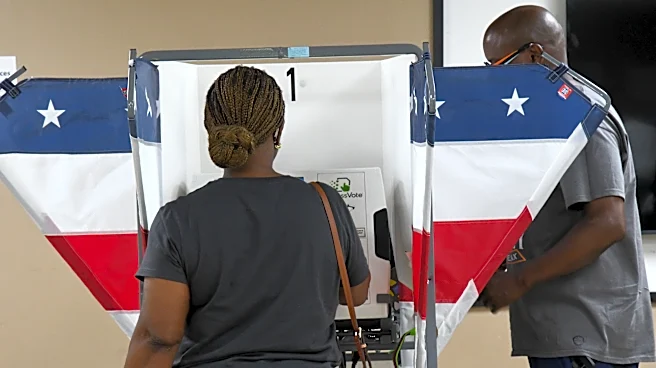
Tennessee's 2026 Primary Election has concluded, with voters selecting nominees for governor, U.S. Senate, U.S. House, and state legislative races. The election was marked by significant changes due to
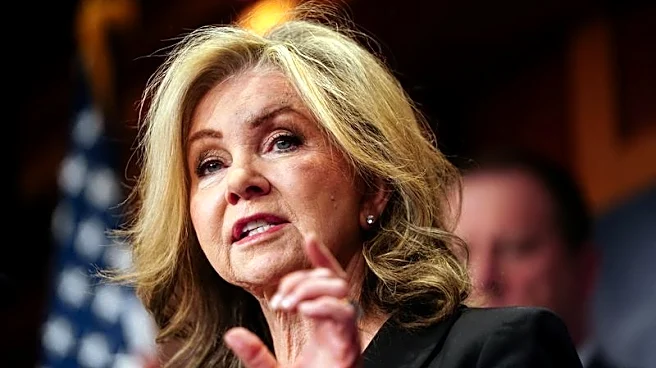
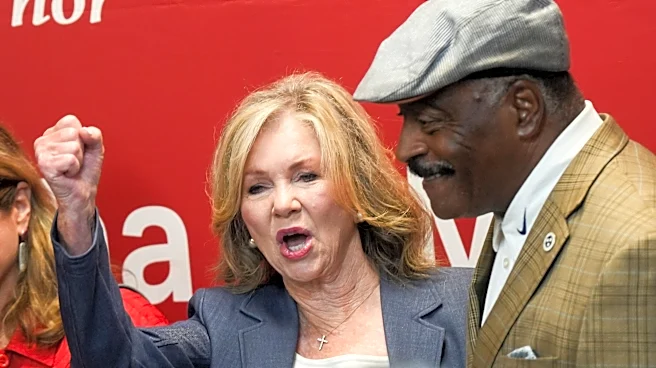
redistricting, which altered district lines across the state, including in Nashville and Memphis. This redistricting has led to some candidates running in new districts and others opting not to seek reelection. The governor's race is particularly notable, as Gov. Bill Lee is term-limited, leaving the position open for the first time since 2018. Marsha Blackburn leads the Republican field, while five Democrats vie for their party's nomination.
Why It's Important?
The primary elections in Tennessee are crucial for shaping the state's political future. The redistricting has sparked controversy and legal challenges, with critics arguing it divides communities and weakens minority voting strength. The governor's race is a focal point, as it will determine the state's leadership direction. Marsha Blackburn's candidacy highlights the Republican Party's dominance in Tennessee, while the Democratic primary reflects the party's efforts to regain influence. The outcomes of these elections will have significant implications for policy decisions and party control in the state.
What's Next?
As the general election approaches, candidates will focus on consolidating support and addressing key issues such as economic growth, education, and healthcare. The redistricting's impact will continue to be a topic of debate, with potential legal challenges and voter mobilization efforts. The general election will test the effectiveness of both parties' strategies in a state with shifting political dynamics. Voter turnout and engagement will be critical in determining the election's outcome, particularly in newly redrawn districts.