






What's Happening?
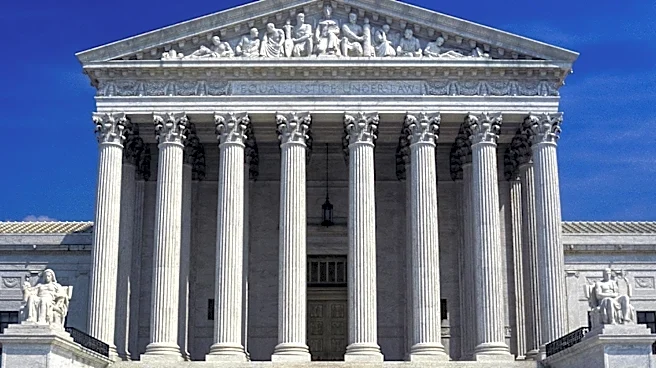
The U.S. Supreme Court has agreed to hear the case of Younge v. Fulton Judicial Circuit District Attorney’s Office, Georgia, which will address whether a defendant can assert an affirmative defense as a basis for summary judgment if that defense was not
initially included in their answer to the complaint. The case involves Jasmine Younge, who sued the Fulton County District Attorney’s Office for alleged civil rights violations, including termination due to pregnancy, under Title VII. The DA’s office moved for summary judgment based on a personal-staff exemption, an affirmative defense not pleaded in its initial answer. The lower courts, including the 11th Circuit, allowed this, applying a 'prejudice analysis' to determine if the plaintiff was harmed by the late assertion of the defense. Younge argues for a textualist interpretation of Federal Rules of Civil Procedure (FRCP) 8(c)(1), 15(a)(2), and 16(b)(4), which she contends require affirmative defenses to be pleaded and amendments to follow stricter standards than a mere prejudice test. The DA’s office, conversely, supports the 11th Circuit’s prejudice standard, citing the FRCP’s purpose of resolving cases on their merits and avoiding technical dismissals.
Why It's Important?
This Supreme Court decision holds significant implications for civil litigation across the U.S., particularly concerning procedural rules and the conduct of pretrial proceedings. A ruling in favor of Younge could enforce stricter adherence to pleading requirements for affirmative defenses, potentially leading to more dismissals of summary judgment motions if defenses are not timely raised. This would compel defendants to be more diligent in identifying and pleading all potential defenses early in a case. Conversely, upholding the 11th Circuit’s prejudice standard would maintain flexibility, allowing courts to consider unpleaded defenses at later stages if the plaintiff is not unduly harmed. This flexibility aims to prioritize the substantive merits of a case over procedural technicalities, potentially reducing the number of cases decided on procedural grounds. The outcome will shape litigation strategies for both plaintiffs and defendants, affecting how civil rights cases, employment disputes, and other federal lawsuits are managed from discovery through summary judgment.
What's Next?
The Supreme Court will hear arguments in the case on November 2. The justices will weigh the textualist interpretation of the Federal Rules of Civil Procedure against a more purposive approach that prioritizes resolving cases on their merits. Legal experts anticipate that the Court's decision could clarify the interplay between FRCP Rules 8, 15, 16, and 56, providing definitive guidance on the pleading and amendment of affirmative defenses. The ruling will likely influence how federal courts nationwide handle similar procedural disputes, potentially leading to revised practices for attorneys in drafting pleadings and managing discovery. Depending on the outcome, there could be a push for either more stringent adherence to initial pleadings or continued judicial discretion in allowing late-asserted defenses, provided no prejudice to the opposing party is demonstrated.
Beyond the Headlines
Beyond the immediate procedural implications, this case touches upon the fundamental balance between procedural fairness and the pursuit of substantive justice in the U.S. legal system. Younge's argument emphasizes the importance of clear rules and predictability in litigation, ensuring that parties have adequate notice of all claims and defenses. The DA's position, however, highlights the judiciary's role in preventing technicalities from obstructing the resolution of disputes based on their underlying facts. The Court's decision will reflect its philosophy on judicial discretion versus strict rule application, potentially setting a precedent for how procedural rules are interpreted in an era where efficiency and access to justice are often debated. This ruling could also indirectly impact the resources and strategies employed by legal aid organizations and civil rights advocates, who often represent plaintiffs against well-resourced defendants.