




What's Happening?
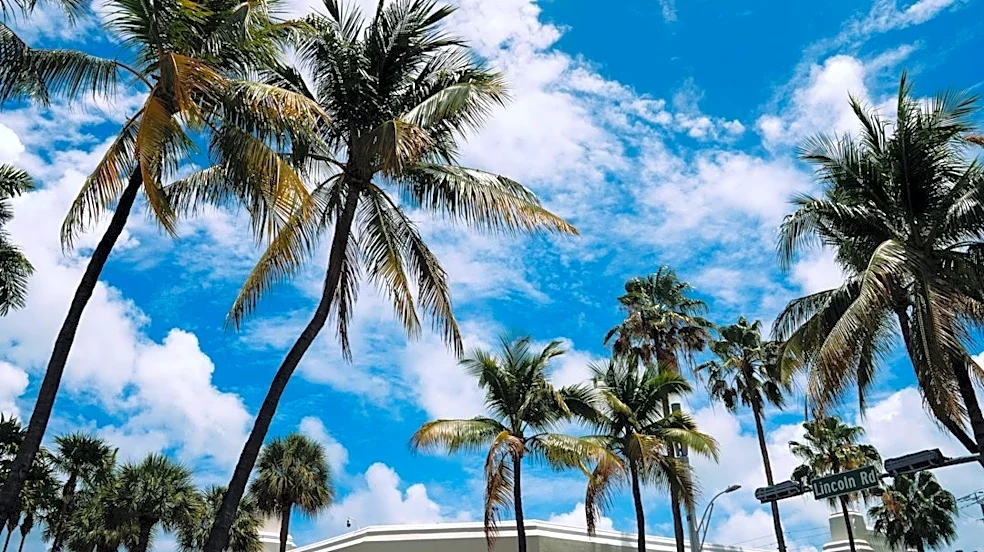
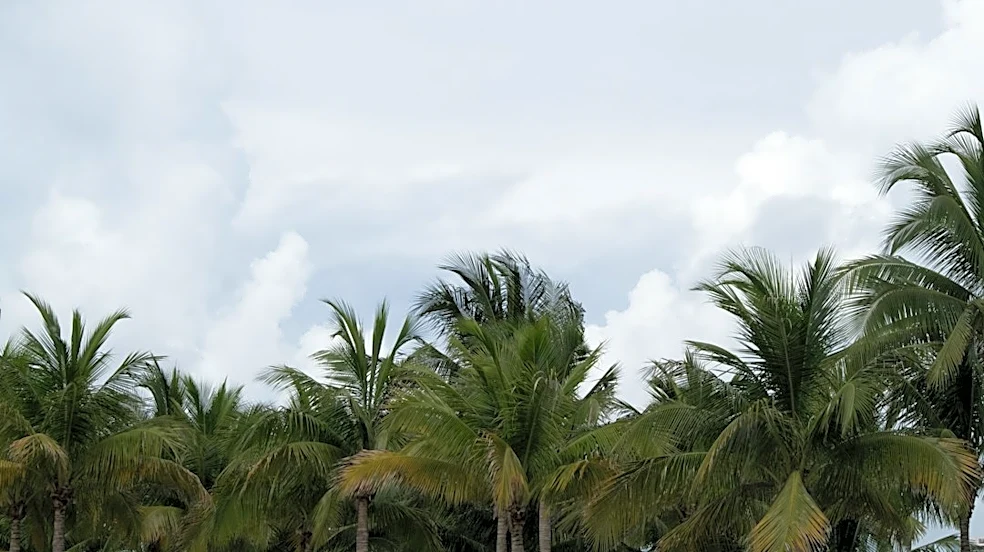
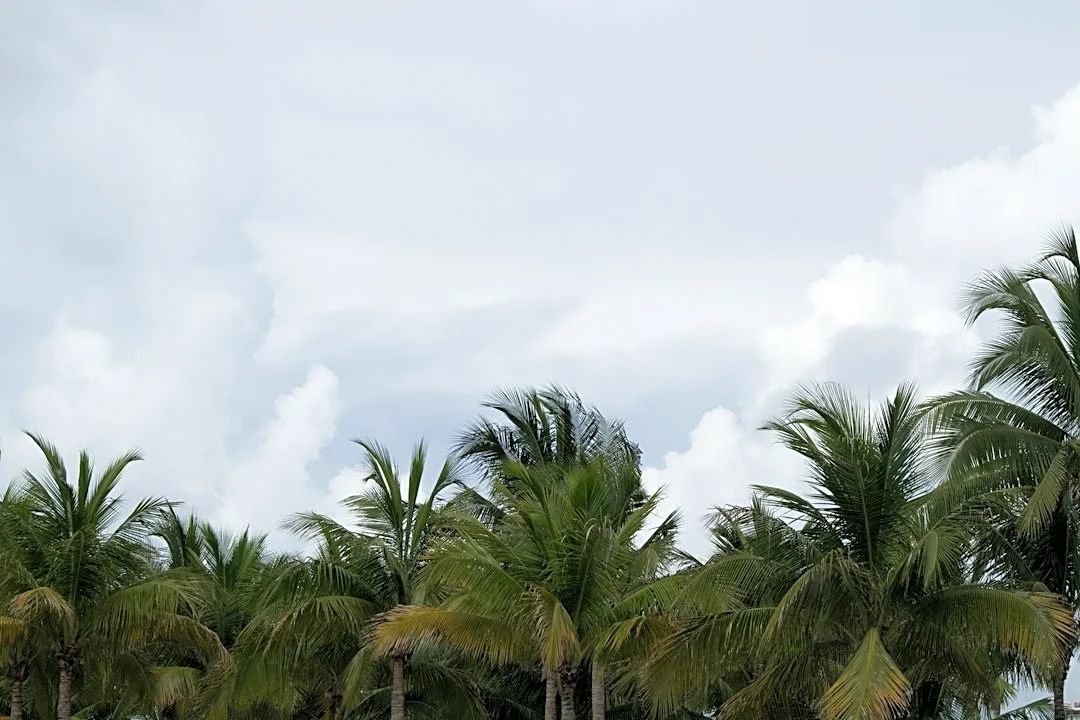
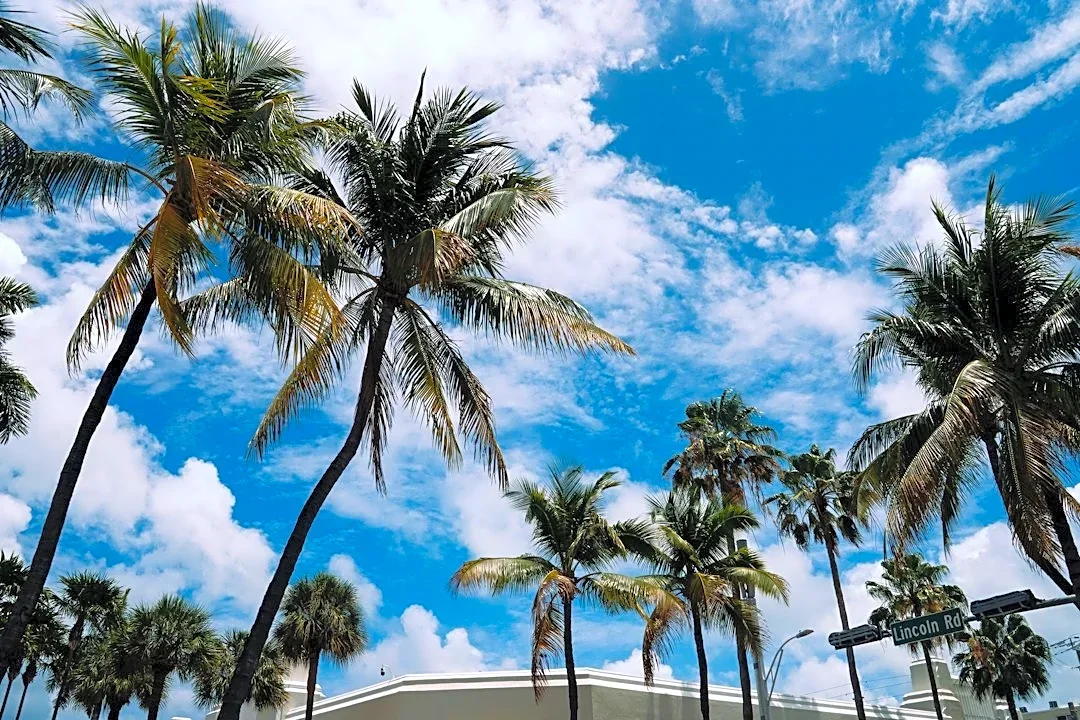
South Florida is currently experiencing a period of windy and dry weather, which is expected to precede a more autumnal feel with pleasant mornings starting Tuesday. A frontal boundary has stalled over the Florida Straits, leading to a drier air mass
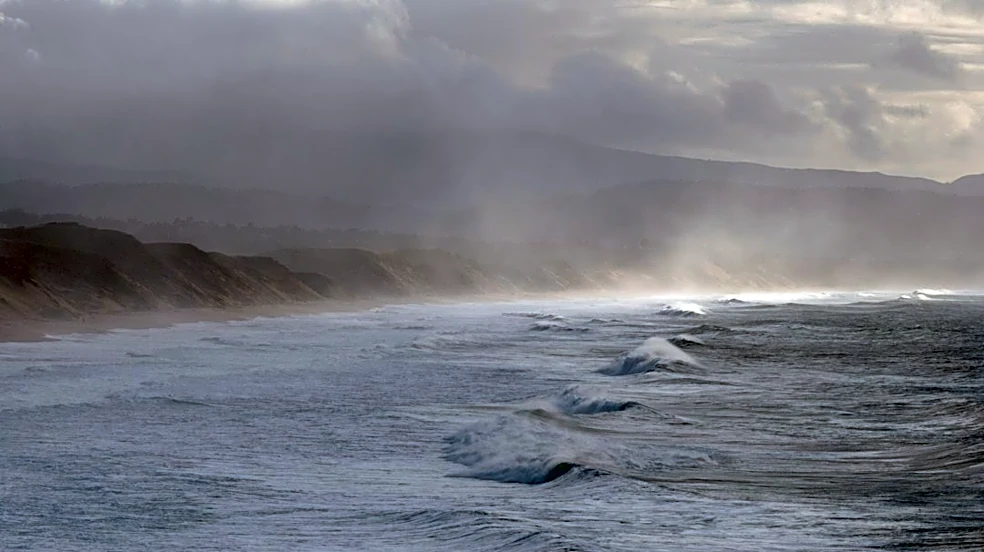
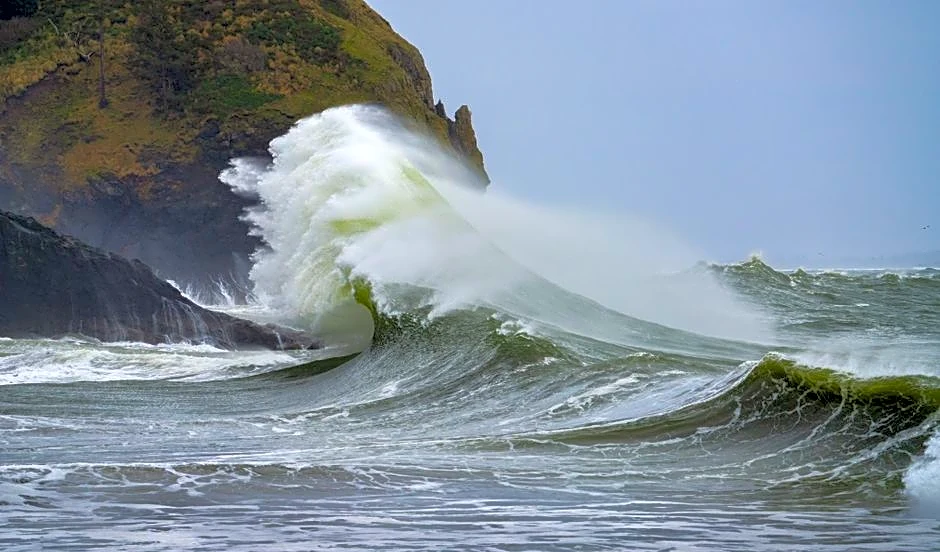
settling across the region. On Monday, winds are sustained from the northeast at 20 to 25 mph, with gusts potentially reaching 30 mph. These strong onshore winds have resulted in a dangerous high risk of rip currents along Atlantic beaches, a condition expected to persist through Thursday. Additionally, a Small Craft Advisory is in effect for Atlantic waters and the Florida Keys due to hazardous marine conditions, including northeast winds of 20 to 25 knots, gusts up to 30 knots, and seas ranging from 8 to 11 feet, potentially reaching 14 feet. Despite the wind, conditions are mostly sunny and dry with lower humidity, and highs in the low to mid-80s. Spotty showers are possible, mainly in the mornings, carried by the breeze. Low temperatures are expected to be slightly cooler and more comfortable in the low 70s.
Why It's Important?
The current weather pattern in South Florida carries significant implications for both public safety and local industries. The dangerous high risk of rip currents poses a serious threat to beachgoers, necessitating increased caution and potentially impacting tourism and recreational activities along the Atlantic coast. The Small Craft Advisory for both Atlantic waters and the Florida Keys directly affects marine industries, including commercial fishing, recreational boating, and charter services, due to the hazardous conditions. Businesses reliant on coastal activities may experience reduced operations or cancellations, leading to economic impacts. While the drier air mass offers a respite from typical South Florida humidity, the strong winds can also affect outdoor events, construction, and agriculture. The anticipated shift to more pleasant, autumnal weather could, however, boost local tourism and outdoor recreation in the coming days, offering a potential economic uplift after the windy conditions subside. Residents and visitors need to remain informed about weather advisories to ensure safety and plan activities accordingly.
What's Next?
The windy conditions are expected to persist through the week, though Wednesday is forecast to be the driest day with even lower rain chances and slightly less intense winds, ranging from 10 to 15 mph with gusts of 20 to 25 mph. Late in the week, there is a slight increase in the chance of scattered showers. Low temperatures will remain pleasant in the low 70s, and high temperatures will stay in the low 80s through the weekend. The dangerous high risk of rip currents along Atlantic beaches is expected to continue through Thursday, requiring ongoing vigilance from authorities and the public. The Small Craft Advisory for marine areas will also remain in effect as long as hazardous conditions persist. Residents and visitors should continue to monitor local weather forecasts and advisories, particularly those planning beach or boating activities, to ensure safety and adapt to the changing conditions. The transition to more autumnal weather is anticipated to bring more comfortable mornings, potentially encouraging outdoor activities later in the week and into the weekend.
Beyond the Headlines
This weather event highlights the dynamic and often unpredictable nature of Florida's climate, particularly its vulnerability to frontal systems and their impact on coastal conditions. The persistent rip current risk underscores the critical importance of public awareness campaigns and lifeguard services in preventing drownings, a recurring challenge in coastal regions. The Small Craft Advisory also points to the broader economic reliance of South Florida on its marine environment, where weather conditions can directly influence livelihoods and recreational opportunities. Furthermore, the mention of a 'taste of fall' serves as a cultural marker, signifying a seasonal shift that, while subtle in Florida compared to other regions, is often welcomed by residents seeking relief from summer heat and humidity. This annual transition influences local lifestyle, from outdoor activities to seasonal events, and reinforces the community's connection to its unique subtropical environment. The ongoing need for adaptation to such weather patterns is a constant in the region.