






What's Happening?
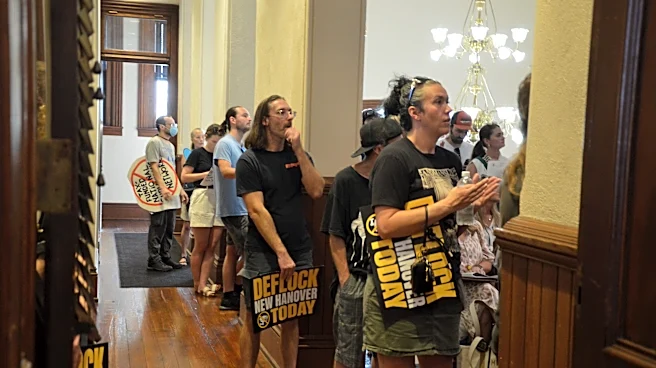
Fort Mitchell Mayor Greg Pohlgeers announced the immediate termination of the city's use of Flock camera license plate readers. This decision was communicated via a Facebook post, where Mayor Pohlgeers stated it was made "after carefully considering the concerns
and perspectives presented." Fort Mitchell is not the first Northern Kentucky city to end its Flock camera program due to community opposition; Newport previously took similar action. Other communities in the region, such as Kenton County and Independence, are still evaluating their options regarding these cameras. In response to public backlash and privacy concerns, Flock, the company behind the cameras, has announced changes to its policies. These changes include reducing the default data retention period from 30 days to seven and making misuse detection mandatory for all customers.
Why It's Important?
The decision by Fort Mitchell to cease using Flock cameras is significant for several reasons, primarily concerning privacy rights, local governance, and the evolving landscape of surveillance technology in U.S. communities. The move reflects a growing public concern over data collection and potential misuse by law enforcement, highlighting the tension between public safety initiatives and individual liberties. For residents of Fort Mitchell, this means a restoration of privacy regarding their movements, as their license plate data will no longer be systematically collected. This action could also influence other municipalities in Northern Kentucky and beyond that are currently considering or using similar technologies, potentially leading to a broader re-evaluation of surveillance policies. The company's response to public backlash by implementing changes like reduced data retention and mandatory misuse detection indicates that community pressure can drive policy adjustments in the tech sector, impacting how such technologies are developed and deployed across the nation. This event underscores the importance of local activism and public discourse in shaping technological adoption and safeguarding civil liberties.
What's Next?
Following Fort Mitchell's decision, other Northern Kentucky communities like Kenton County and Independence, which are still considering their stance on Flock cameras, may face increased pressure from their residents to follow suit. The termination of the program in Fort Mitchell could serve as a precedent or a case study for these and other municipalities grappling with similar privacy concerns. The company, Flock, will likely continue to implement and refine its announced policy changes, such as the reduced data retention period and mandatory misuse detection, to address ongoing privacy concerns and maintain its market presence. This situation may also spark further public debate and legislative action at local and state levels regarding the regulation of surveillance technologies. Community groups and privacy advocates are likely to monitor the implementation of Flock's new policies and continue advocating for stricter oversight or outright bans on such systems in other areas. The long-term impact could be a shift towards more transparent and privacy-conscious approaches to public safety technology across the U.S.
Beyond the Headlines
The Fort Mitchell decision to end the use of Flock cameras touches upon deeper societal questions regarding the balance between security and freedom in an increasingly surveilled world. It highlights the ethical dilemmas posed by technologies that, while promising enhanced public safety, also enable pervasive data collection on ordinary citizens. This incident reflects a broader national conversation about the 'smart city' concept and the extent to which technology should be integrated into daily life, particularly when it involves monitoring public spaces. The community's successful pushback against the cameras demonstrates the power of grassroots activism in shaping local policy and challenging the unchecked adoption of new technologies. It also raises questions about the role of private companies in public safety infrastructure and the need for robust regulatory frameworks to govern their operations. Ultimately, this event contributes to the ongoing discourse about digital rights, privacy in public spaces, and the democratic control over technological advancements that impact civil liberties.