



What's Happening?
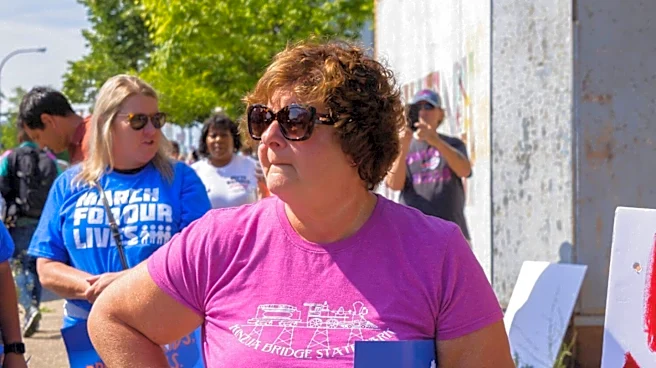
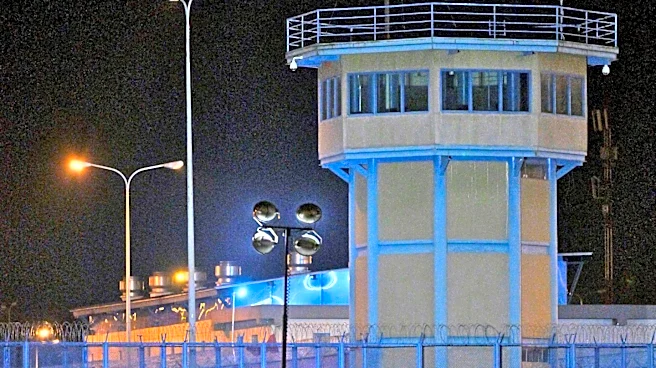
Activists in Salt Lake City are celebrating the sale of a warehouse that was previously intended to become an Immigration and Customs Enforcement (ICE) detention facility. For 20 consecutive Wednesday evenings, a group of concerned Utahns had protested
outside the warehouse, organizing 'Warehouse Wednesday' events. The mood shifted to celebration when news broke that the detention center would not be established. T.J. Young, an organizer of the protests, confirmed the change in plans, stating that while the immediate fight for this specific facility is over, broader issues regarding ICE operations in the community remain. Sarah Buck from Salt Lake Indivisible, another group involved in the protests, expressed her excitement, emphasizing the humanitarian aspect of not housing people in warehouses. The protests garnered significant attention and support from local officials, including the Mayor of Salt Lake City and the Mayor of Salt Lake County.
Why It's Important?
This development is important as it highlights the power of community activism and local opposition in influencing federal government decisions, particularly concerning immigration enforcement. The successful prevention of the ICE detention facility in Salt Lake City demonstrates that sustained public pressure can lead to tangible outcomes, offering a precedent for other communities facing similar proposals. For immigration advocacy groups, this is a significant victory, reinforcing their belief that public outcry can challenge and alter plans for detention centers. Conversely, for federal agencies like ICE, this outcome underscores the challenges they may face in establishing new facilities in areas with strong local opposition, potentially leading to increased scrutiny and resistance in future endeavors. The event also brings to the forefront the ongoing debate about the ethical and humanitarian implications of immigration detention practices in the U.S.
What's Next?
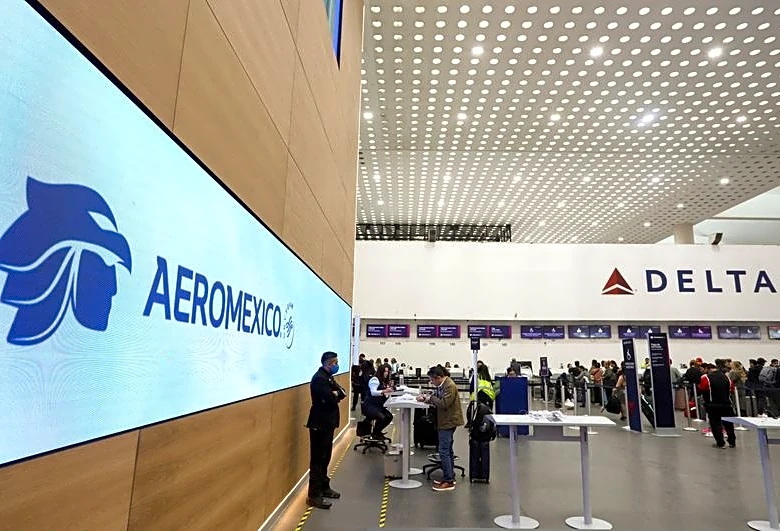
While the immediate threat of the Salt Lake City warehouse becoming an ICE detention facility has been averted, activists like T.J. Young indicate that their broader fight against ICE operations is not over. They plan to continue addressing issues such as ICE flights from Salt Lake International Airport and the treatment of individuals by ICE in local communities. This suggests a shift from a specific protest target to a more generalized advocacy for immigration reform and humane treatment of immigrants. Local political leaders who supported the activists may continue to engage with community concerns regarding immigration policies. The outcome could also encourage other communities to organize similar protests against proposed detention facilities, potentially leading to more localized resistance to federal immigration enforcement plans across the U.S. The sale of the warehouse means the property will likely be repurposed for other uses, removing the immediate point of contention.
Beyond the Headlines
The Salt Lake City warehouse situation delves into the deeper ethical and moral considerations surrounding immigration detention in the United States. The activists' stance, articulated by Sarah Buck, that 'we don’t put people in warehouses,' reflects a fundamental humanitarian concern about the conditions and appropriateness of detention facilities. This sentiment challenges the conventional approach to immigration enforcement, pushing for a re-evaluation of how undocumented individuals are treated. The success of the protests also highlights the evolving role of local communities in national policy debates, demonstrating that grassroots movements can effectively counter federal initiatives when they resonate with local values and concerns. This event could contribute to a broader cultural shift in public perception regarding immigration detention, potentially fostering greater empathy and calls for more humane alternatives to incarceration. It also underscores the tension between federal enforcement mandates and local community autonomy.