






What's Happening?
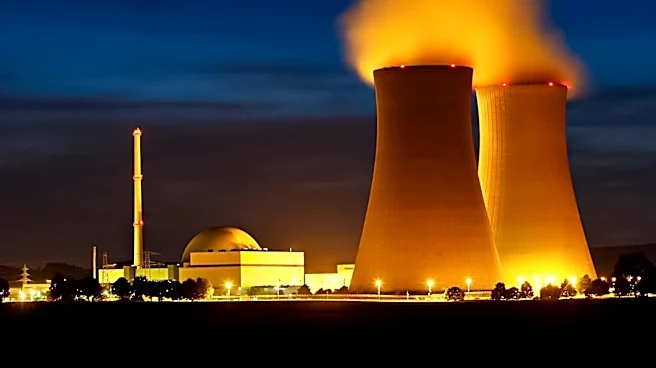
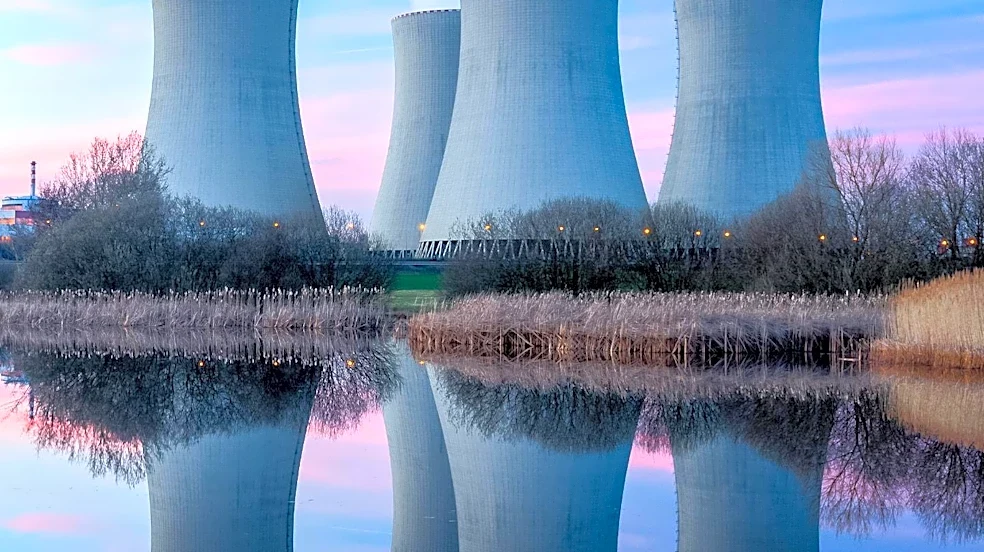
Rafael Grossi, the head of the U.N. nuclear agency, stated that nuclear power usage could more than triple by 2060. This projection is driven by increasing electrification, the energy demands of data centers powered by artificial intelligence, and technology
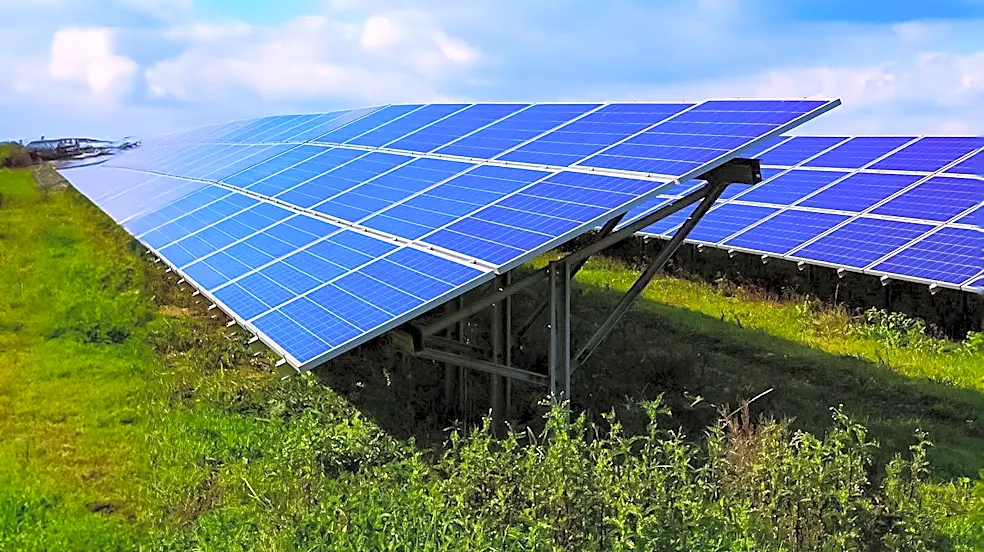
companies' need for reliable, carbon-free electricity. Grossi delivered this outlook in the International Atomic Energy Agency's (IAEA) annual report to the U.N. General Assembly. He emphasized that a growing number of countries view nuclear energy as essential for improving their energy security, considering it on par with solar energy and safer than other options. In 2025, over 400 operating reactors in more than 30 countries generated 10% of global electricity and a quarter of its low-carbon electricity, with over 60 new reactors currently under construction.
Why It's Important?
This forecast highlights a significant shift in global energy policy and investment, indicating a renewed confidence in nuclear power as a critical component of future energy mixes. For the U.S., this global trend could influence domestic energy strategies, potentially leading to increased investment in nuclear technology, research, and development. The demand for reliable, carbon-free power from AI-driven data centers underscores a new and substantial driver for nuclear energy, which could attract private sector investment and accelerate innovation in the field. The IAEA's endorsement of nuclear power's safety and efficacy could also help reshape public perception and policy debates surrounding its role in achieving climate goals and energy independence. This global expansion could also create opportunities for U.S. nuclear technology exports and international collaborations.
What's Next?
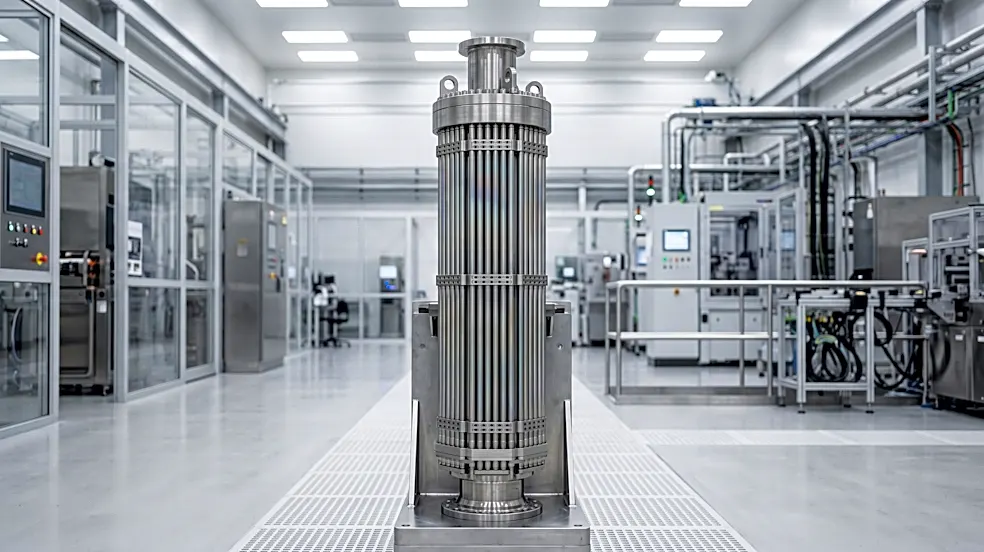
The anticipated tripling of nuclear power by 2060 suggests a future where nuclear energy plays a much larger role in global electricity generation. This will likely necessitate significant international cooperation on safety standards, waste management, and non-proliferation efforts, areas where the IAEA will continue to play a crucial oversight role. Countries, including the U.S., may accelerate their plans for new reactor construction, including advanced modular reactors (AMRs) and small modular reactors (SMRs), to meet the growing demand. Policy discussions will likely focus on streamlining regulatory processes, securing supply chains for nuclear fuel, and addressing public concerns to facilitate this expansion. The integration of nuclear power with renewable energy sources will also be a key area of development.
Beyond the Headlines
The projected surge in nuclear power has profound implications beyond energy supply. It signals a potential re-evaluation of energy security paradigms, where nations seek stable, domestically controlled power sources less susceptible to geopolitical fluctuations. The link between AI and nuclear energy highlights the evolving demands of advanced technology on infrastructure, suggesting that future technological progress may be intrinsically tied to robust, carbon-free energy solutions. This shift could also lead to a resurgence in nuclear science and engineering education and careers, fostering a new generation of experts. However, the expansion also brings renewed focus on the challenges of nuclear waste disposal and the risk of proliferation, requiring robust international frameworks and technological safeguards to ensure responsible growth.