
What's Happening?
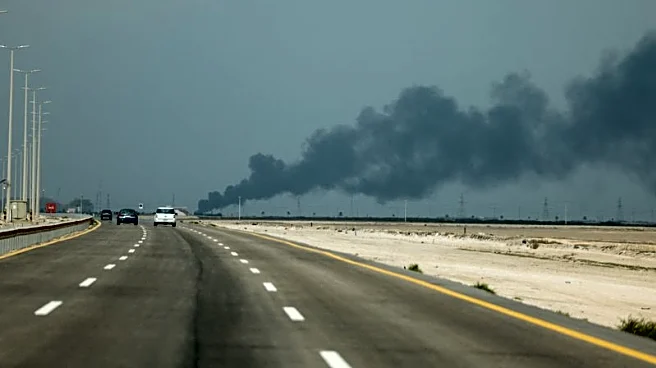
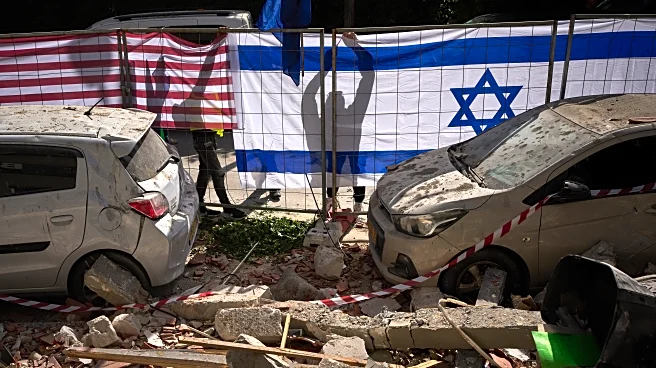
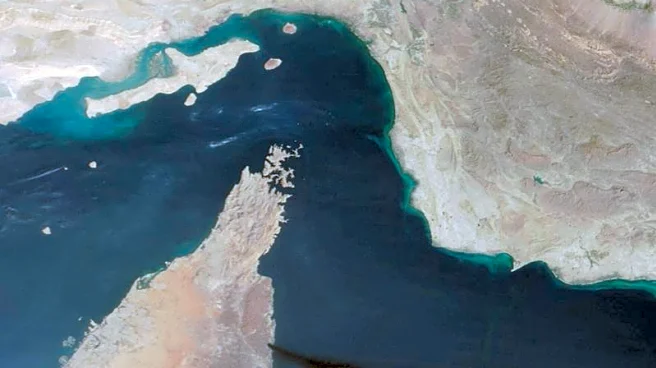
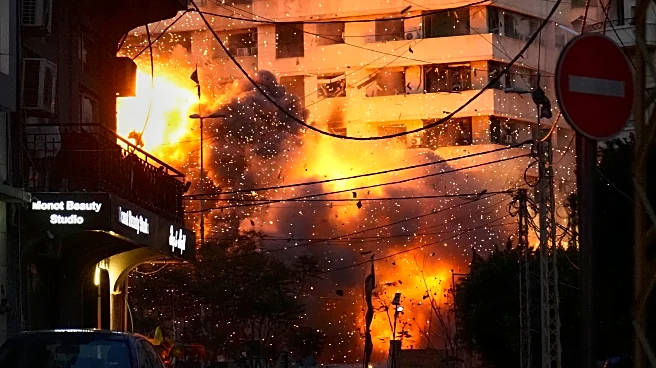
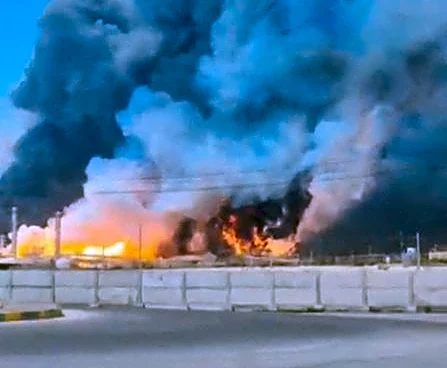
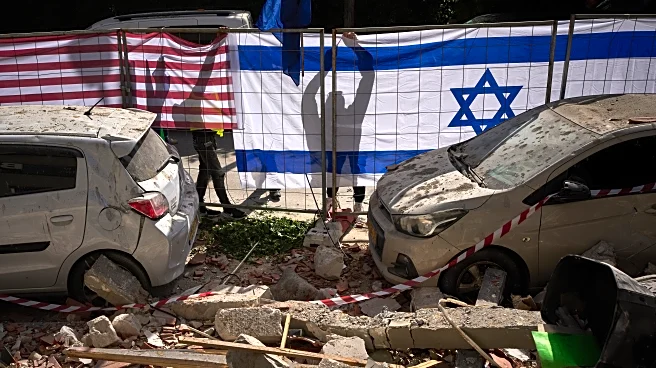
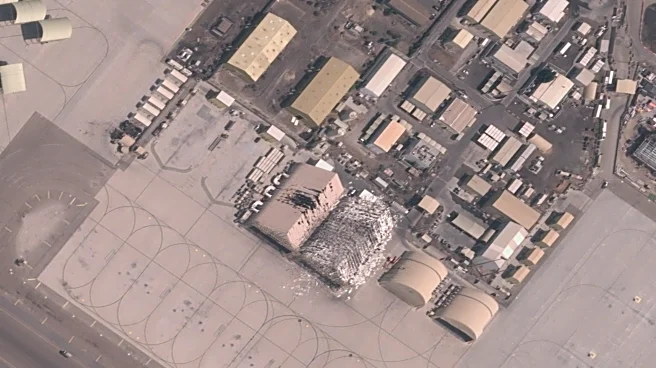
A series of attacks have escalated tensions in the Middle East, with Iran targeting the world's largest liquefied natural gas complex in Qatar, as well as facilities in the United Arab Emirates and Saudi Arabia. These actions follow an Israeli bombing
of Iran's South Pars gas field. The conflict has caused a surge in energy prices, with oil reaching $110 a barrel. Iran's Revolutionary Guard has declared a new stage in the conflict, threatening further attacks on regional energy infrastructure. The situation has disrupted gas production in Qatar, affecting countries like China and India that rely on this supply.
Why It's Important?
The conflict between Israel and Iran poses significant risks to global energy security, as the Middle East is a critical region for oil and gas production. The disruption in gas supplies could lead to increased energy prices worldwide, affecting industries reliant on these resources, such as fertilizer and plastic production. The escalation also raises geopolitical tensions, with potential implications for international relations and economic stability. The involvement of major global economies like China and India underscores the widespread impact of the conflict.
What's Next?
If the conflict continues, further disruptions to energy supplies are likely, potentially leading to more significant economic consequences globally. Diplomatic efforts may intensify to de-escalate the situation and restore stability. The international community, including major energy consumers, may increase pressure on the involved parties to reach a resolution. The use of drones in the conflict highlights a shift in modern warfare tactics, which could influence future military strategies.