

What's Happening?
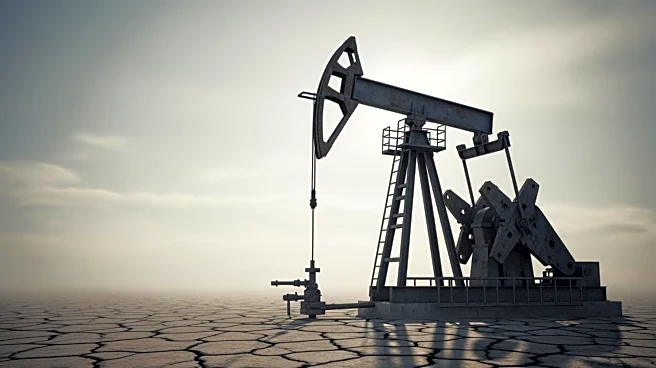
Interior Secretary Doug Burgum announced that the Trump administration is unlikely to provide financial support for U.S. oil companies aiming to revitalize Venezuela's oil sector. Speaking on Bloomberg Television, Burgum stated that the capital for this
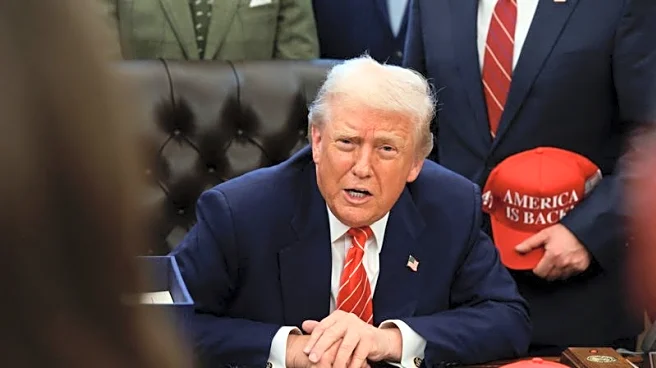
multibillion-dollar effort would need to come from capital markets and energy companies, rather than U.S. government subsidies. This announcement follows President Trump's previous suggestion that the U.S. might reimburse oil companies for their investments in Venezuela. The decision not to provide direct financial support reflects concerns about the stability of a post-Nicolás Maduro government and the need for a secure business environment.
Why It's Important?
The U.S. government's stance on not funding the revival of Venezuela's oil sector has significant implications for the energy industry and geopolitical relations. By not providing financial support, the U.S. is signaling a cautious approach to investing in Venezuela, given the political and economic uncertainties. This decision may impact U.S. oil companies' willingness to invest in Venezuela, potentially affecting global oil markets and energy prices. Additionally, the focus on creating a conducive business environment highlights the importance of stability and security in international investments.
What's Next?
As the U.S. government refrains from funding the Venezuela oil revival, oil companies will need to assess the risks and opportunities of investing in the region. The upcoming meeting between oil executives and Trump administration officials at the White House may provide further clarity on the U.S. government's position and potential support mechanisms. Companies will likely seek assurances on security and financial stability before committing significant investments. The outcome of these discussions could influence future U.S. energy policies and international relations with Venezuela.