


What's Happening?
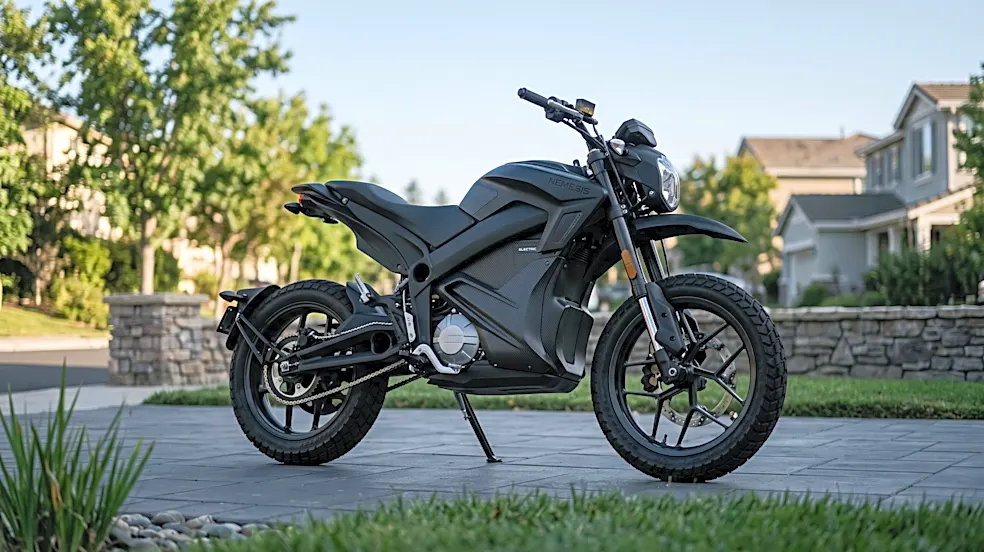
Two California parents are facing criminal charges in Orange County, months after their 13-year-old son died in an electric motorcycle accident. Prosecutors allege the teen lost control of the vehicle, leading to the fatal incident. The specific charges against
the parents have not been detailed in the provided information, but the action by the District Attorney indicates a legal determination of parental responsibility in the circumstances surrounding the child's death. This development highlights the legal scrutiny applied to parental supervision and the use of certain vehicles by minors, particularly those with inherent risks like electric motorcycles. The case is being reported by NBC News, with Andres Gutierrez providing details on the ongoing legal proceedings.
Why It's Important?
This case carries significant implications for parental liability and the regulation of recreational vehicles, especially electric motorcycles, for minors. The decision by the Orange County District Attorney to press charges could set a precedent for how similar incidents are handled in the future, potentially influencing laws and community standards regarding children's access to and use of such equipment. For parents, it underscores the critical importance of ensuring the safety and legality of vehicles operated by their children, and the potential legal consequences if negligence is perceived. For manufacturers and retailers of electric motorcycles, it might prompt a review of age restrictions, safety warnings, and marketing practices to minors. The outcome of this case could lead to increased public awareness and calls for stricter regulations or enforcement concerning child safety and recreational vehicle use.
What's Next?
The legal proceedings against the parents are expected to continue in Orange County. Further details regarding the specific charges, evidence presented by the prosecution, and the defense's arguments will likely emerge as the case progresses through the court system. This could involve preliminary hearings, discovery phases, and potentially a trial. The outcome will be closely watched by legal experts, child safety advocates, and parents across the state and potentially nationwide. Depending on the verdict, there could be broader discussions about legislative changes concerning parental responsibility laws, age limits for electric motorcycles, and enhanced safety education campaigns. The case may also influence insurance policies related to recreational vehicle use by minors.
Beyond the Headlines
Beyond the immediate legal ramifications, this case touches upon deeper societal questions regarding childhood independence, parental oversight, and the evolving landscape of recreational technology. The increasing availability and power of electric motorcycles and similar devices for younger users present new challenges for parents and regulators alike. This incident could spark a broader conversation about the balance between allowing children to engage in potentially risky activities for development and ensuring their safety through appropriate supervision and regulation. It also raises ethical considerations about the responsibility of technology providers to design products with child safety as a paramount concern, and the role of communities in fostering environments where children can explore safely. The emotional toll on the family, regardless of the legal outcome, also underscores the tragic human element behind such incidents.