
What's Happening?
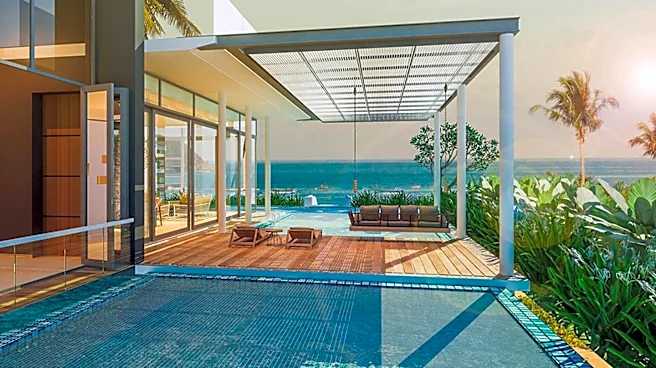
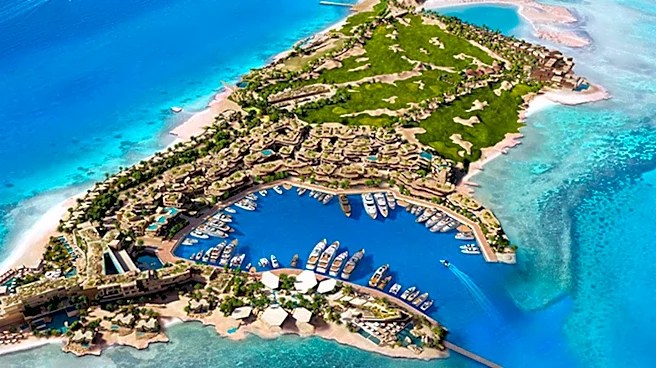
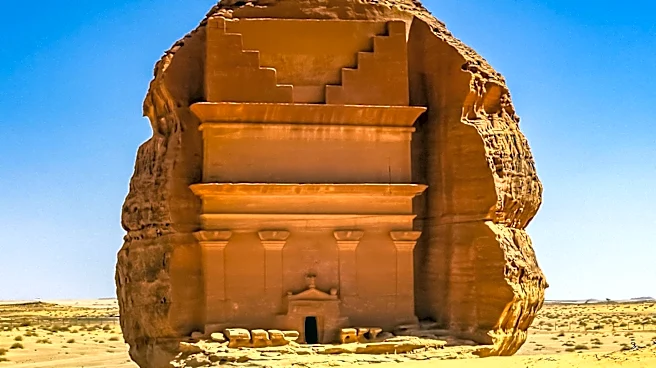
Saudi Arabia is significantly expanding its tourism sector, with key destinations like Riyadh, Jeddah, AlUla, and the Red Sea regions enhancing their tourism profiles. AlUla, in particular, is being developed
to offer archaeological landscapes and desert tourism, diversifying the regional travel experience beyond traditional Gulf city breaks. This initiative is part of a broader strategy to combine urban experiences with heritage, nature, and coastal tourism, attracting international travelers. The Middle East as a whole is projected to see a substantial increase in international visitor spending, with a 57% rise, or US$116 billion, between 2025 and 2030. This growth is driven by rising international travel demand, evolving source markets, and changing visitor behavior, as highlighted in the ATM Travel Trends Report 2026.
Why It's Important?
The expansion of Saudi Arabia's tourism sector, particularly the focus on archaeological sites like AlUla, signifies a strategic shift towards diversifying the nation's economy away from oil dependency. By investing in cultural and heritage tourism, Saudi Arabia aims to attract a broader range of international visitors, fostering economic growth and creating new opportunities within the hospitality and service industries. This development also positions the Middle East as a more varied and comprehensive travel destination, offering experiences that combine modern urban centers with rich historical and natural attractions. The projected increase in visitor spending underscores the significant economic impact these initiatives are expected to have on the region, benefiting local businesses and contributing to job creation.
What's Next?
Saudi Arabia is expected to continue developing its tourism infrastructure and promoting its diverse destinations, including AlUla, to a global audience. The focus will likely remain on creating integrated travel experiences that combine cultural, historical, and natural attractions. Further investments in hotels, attractions, aviation links, and business-event infrastructure are anticipated across the region. This sustained effort is aimed at accommodating the projected increase in international visitor arrivals and spending through 2030. The development of new tourism routes and experiences will also support itineraries that combine urban exploration with heritage and nature, offering more comprehensive travel options for international visitors.
Beyond the Headlines
The emphasis on cultural and archaeological sites like AlUla reflects a deeper commitment by Saudi Arabia to showcase its rich history and heritage to the world. This move not only aims to boost tourism but also to foster cultural exchange and understanding. By highlighting its ancient past and natural beauty, Saudi Arabia is working to reshape its international image and position itself as a significant cultural destination. This strategy could also lead to increased preservation efforts for historical sites and a greater appreciation for the region's unique cultural identity, contributing to a more sustainable and diversified economic future.