


What's Happening?
Lawton, Oklahoma, is experiencing a significant delay in its first freeze of the season, with warm weather persisting well into November. Historically, the region typically sees its first freeze between October 31 and November 12. However, as of early
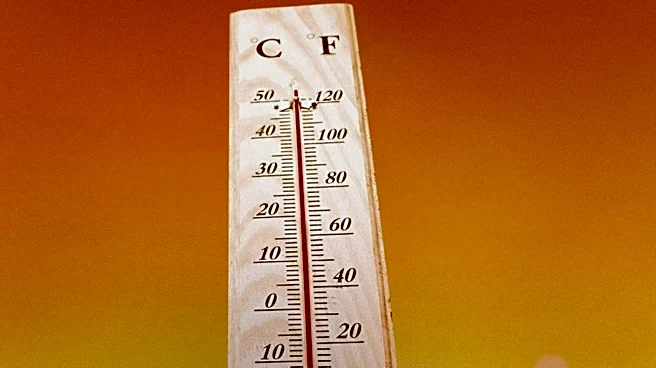
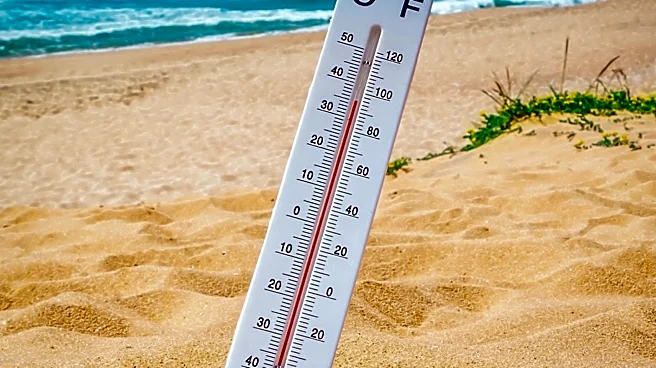
November, temperatures remain unseasonably high, and no strong cold fronts are anticipated within the first ten days of the month. The Oklahoma Mesonet's extended forecast, stretching through November 20, indicates only a 30 percent chance of freezing weather by that date. This prolonged warmth is allowing pollen and other allergens to continue thriving, impacting residents who suffer from fall allergies.
Why It's Important?
The delayed first freeze in Lawton has several significant implications. For residents, the extended allergy season means continued discomfort and potential health issues for those sensitive to pollen and other airborne allergens. Economically, this could affect agricultural practices, as certain crops rely on specific temperature patterns. The warmer temperatures also contribute to a broader trend, with the Oklahoma Mesonet projecting 2026 to be the hottest year on record for the state, potentially surpassing 2012. This trend has long-term consequences for water resources, energy consumption, and the overall ecosystem, impacting both urban and rural communities. The shift in seasonal weather patterns can also influence local businesses dependent on seasonal consumer behavior, such as those selling winter apparel or holiday decorations.
What's Next?
Forecasters predict that November will continue to exhibit a warming trend across Oklahoma, with temperatures expected to remain above average through at least November 18. This suggests that the first freeze for Lawton and much of Southwest Oklahoma will likely occur later than usual. Residents with fall allergies should prepare for an extended period of symptoms. Local authorities and environmental agencies may need to monitor the long-term effects of these temperature shifts on water levels, agricultural yields, and public health. The ongoing warm spell could also influence energy demands, potentially leading to higher cooling costs for an extended period, even as winter approaches. The situation highlights the need for communities to adapt to changing climate patterns.
Beyond the Headlines
The delayed freeze in Lawton is a localized manifestation of broader climate trends impacting the United States. The potential for 2026 to be Oklahoma's hottest year on record underscores the increasing frequency and intensity of extreme weather events. This has profound implications for long-term environmental planning, infrastructure development, and public health strategies. Beyond immediate allergy concerns, prolonged warm seasons can alter pest cycles, impact biodiversity, and stress natural resources. The economic ripple effects could extend to insurance markets, as weather-related claims become more frequent, and to tourism, as seasonal attractions are affected. This event serves as a micro-example of the macro-challenges posed by a changing climate, prompting deeper consideration of sustainable practices and adaptive measures at all levels of governance and society.