
What's Happening?
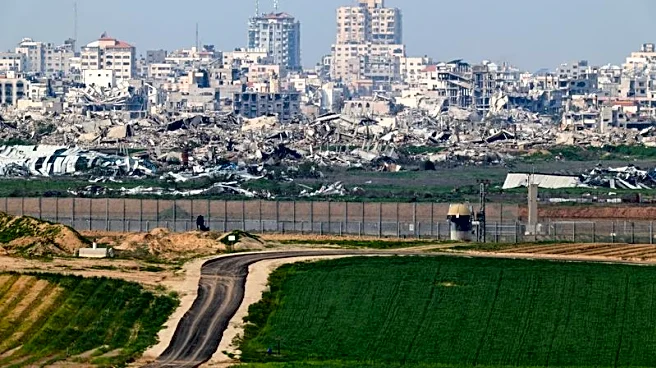
The United States is advancing to the second phase of President Trump's Gaza peace plan, focusing on the demilitarization and reconstruction of the region. This phase involves establishing a transitional technocratic Palestinian administration in Gaza,
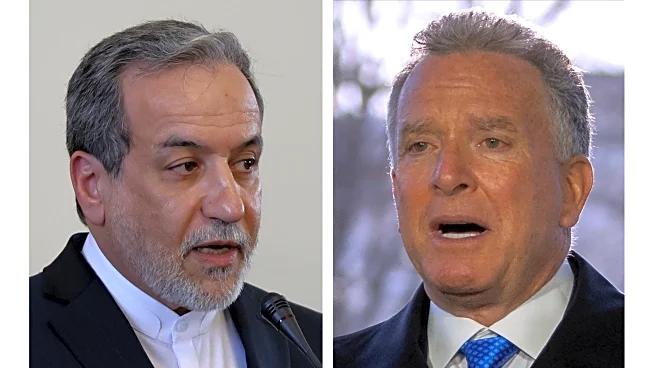
as announced by Trump's special envoy, Steve Witkoff. The plan aims to disarm unauthorized personnel and improve governance in the area. The technocratic committee overseeing Gaza will be led by Ali Abdel Hamid Haath, a former deputy minister of Palestinian planning. The initiative follows a ceasefire that has largely held since October, despite accusations from both Israel and Hamas of breaches. The Palestinian Authority, along with Egypt and Turkey, has welcomed the development, while Hamas has expressed willingness to discuss the future of its weaponry.
Why It's Important?
The progression of this peace plan is significant as it aims to stabilize Gaza through demilitarization and improved governance, potentially reducing conflict in the region. The establishment of a technocratic administration could lead to better management of resources and aid, which is crucial given the humanitarian challenges in Gaza. The plan's success could influence U.S. foreign policy and its role in Middle Eastern peace processes. However, the disarmament of Hamas remains a contentious issue, and the plan's impact will depend on the cooperation of all parties involved. The initiative also highlights the U.S.'s continued involvement in Middle Eastern geopolitics under President Trump's administration.
What's Next?
The next steps involve the actual implementation of the demilitarization process and the establishment of the technocratic administration. The U.S. expects Hamas to comply with its obligations, including the return of the final deceased Israeli hostage. Failure to do so could lead to serious consequences, as stated by Witkoff. The international community will likely monitor the situation closely, with potential diplomatic efforts to ensure compliance and support the reconstruction efforts. The success of this phase could pave the way for further negotiations and peace initiatives in the region.