



What's Happening?
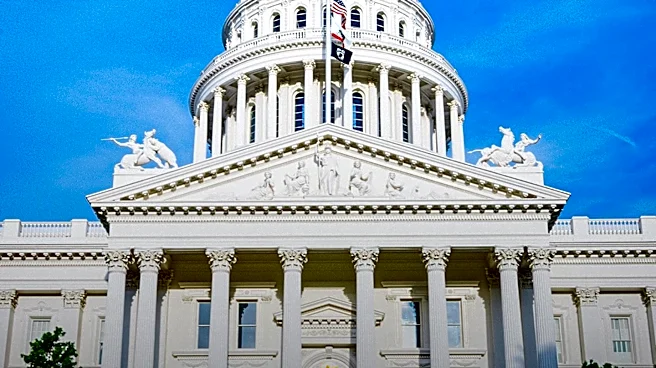
California Governor Gavin Newsom has signed new legislation aimed at tightening safety regulations for industrial companies, prompted by a significant fire at a cold storage facility in Los Angeles' Boyle Heights neighborhood in June. The new laws, Senate
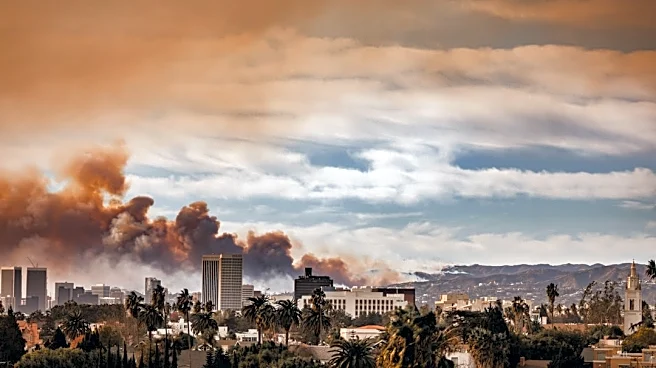
Bill 716 and Assembly Bill 817, introduce stricter measures for industrial operations. Senate Bill 716, authored by Senator María Elena Durazo, increases the maximum fines local agencies can impose on companies that pose health and safety threats, raising them to up to $50,000 per violation from previous limits of a few hundred or thousand dollars. Assembly Bill 817, by Assemblymember Mark González, mandates that cold storage facilities establish a contingency fund or secure insurance to cover emergency needs for local communities before a building permit can be approved. These laws are a direct response to the June 17 fire at Lineage's 500,000-square-foot food warehouse, which resulted in noxious smoke and an increase in rats and flies in the surrounding area. While the laws apply locally in the short term, they are set to take effect statewide on July 1, 2028.
Why It's Important?
These new California safety laws are important as they represent a significant shift in regulatory oversight for industrial facilities, particularly those with potential environmental and public health impacts. By substantially increasing fines and requiring contingency planning, the state aims to enhance corporate accountability and incentivize better safety practices. This could lead to improved environmental protection and public health outcomes in communities located near industrial sites, which are often disproportionately affected by such incidents. The legislation also sets a precedent for other states to consider similar measures, especially in areas with high concentrations of industrial operations. For businesses, particularly in the cold storage sector, these laws will necessitate increased investment in safety infrastructure, emergency preparedness, and potentially higher insurance costs. While business groups and some Republican lawmakers have expressed concerns that these measures could drive up prices for companies and consumers, proponents argue that the long-term benefits of preventing environmental disasters and protecting communities outweigh these costs. The laws underscore a growing public and governmental demand for industries to bear more responsibility for their operational risks and their impact on surrounding populations.
What's Next?
The immediate next steps involve the local implementation of these new laws, with a statewide rollout scheduled for July 1, 2028. Industrial companies, especially cold storage facilities, will need to review and update their safety protocols, emergency response plans, and financial provisions to comply with the increased fines and contingency fund requirements. This will likely involve engaging with local agencies to understand the specific enforcement mechanisms and preparing for potential audits or inspections. Businesses may also explore new insurance products or financial mechanisms to meet the contingency fund mandate. There could be continued debate and potential legal challenges from industry groups regarding the economic impact of these regulations. Additionally, community groups and environmental advocates will likely monitor the enforcement of these laws closely, advocating for their full implementation and potentially pushing for similar legislation in other sectors or regions. The effectiveness of these laws in preventing future incidents and mitigating their impact will be a key area of focus as they are put into practice.
Beyond the Headlines
Beyond the immediate regulatory changes, these laws highlight a broader societal trend towards holding corporations more accountable for their environmental and social impacts. The Boyle Heights fire serves as a stark reminder of the vulnerabilities faced by communities living near industrial zones, often low-income and minority populations. The legislation implicitly acknowledges that the costs of industrial accidents extend far beyond property damage, encompassing public health crises, environmental degradation, and community disruption. This move by California could influence national conversations about industrial safety and environmental justice, potentially inspiring federal action or similar state-level initiatives. It also underscores the evolving role of government in balancing economic development with public welfare and environmental protection. The requirement for contingency funds or insurance signals a shift towards internalizing the external costs of industrial operations, making companies directly responsible for the societal burdens they might create. This could foster a more proactive approach to risk management within industries, moving beyond mere compliance to a more integrated understanding of corporate social responsibility.