
What's Happening?
The U.S. government has proposed substantial reductions in water supply for Arizona, California, and Nevada during dry years as part of a new plan to manage the drought-stricken Colorado River. This proposal comes after the seven basin states failed to reach
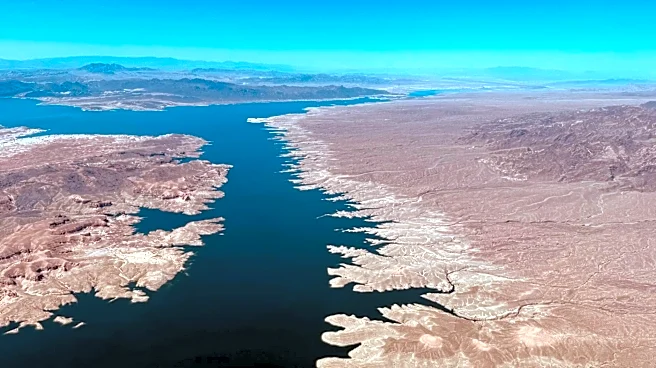
an agreement on water sharing following three years of negotiations. The Bureau of Reclamation's plan aims to provide flexibility in operating the river's major reservoirs, Lake Powell and Lake Mead, amidst severe drought conditions. The plan suggests water shortages of up to 3 million acre-feet per year for the Lower Basin states, nearly double the reduction proposed by these states earlier. Arizona has expressed strong opposition, citing potential devastation to its water users and economy.
Why It's Important?
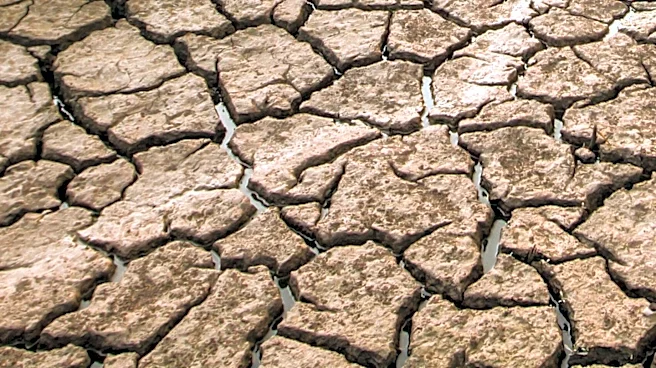
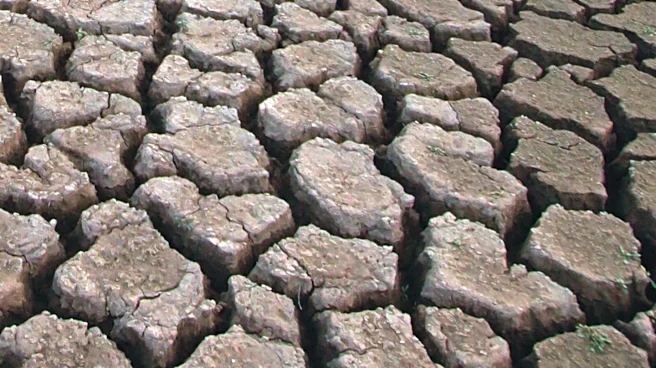
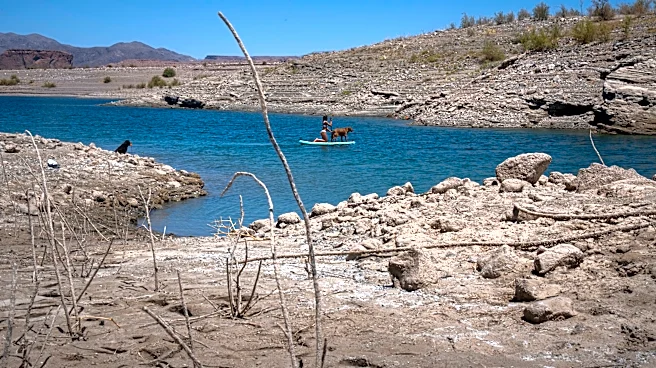
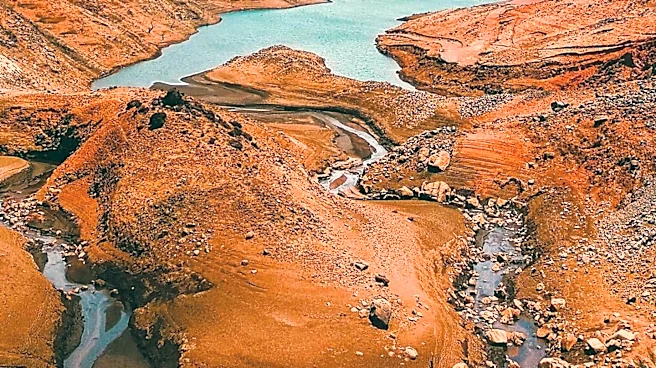
The proposed water cuts are critical as they affect a river that supplies water to one in ten Americans, irrigates land producing 15% of U.S. food output, and generates power for millions. The ongoing drought, exacerbated by climate change, has led to a significant decline in the Colorado River's flow, threatening the functionality of hydroelectric power plants at Lake Powell and Lake Mead. The federal intervention could lead to legal challenges and prolonged uncertainty, impacting agricultural productivity, energy generation, and water availability in the affected states.
What's Next?
The federal government plans to release operating guidelines for 2027 and 2028, which will be crucial in determining the future management of the Colorado River. Stakeholders, including state governments and water resource agencies, are likely to engage in further negotiations and possibly legal actions to address the proposed cuts. The situation demands collaborative efforts to develop sustainable solutions that balance water conservation with economic needs.