






What's Happening?
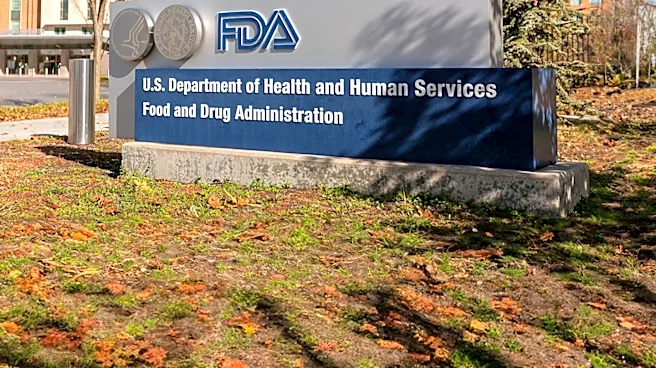
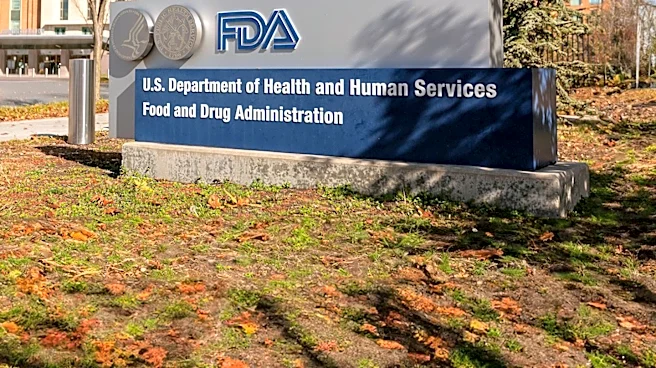
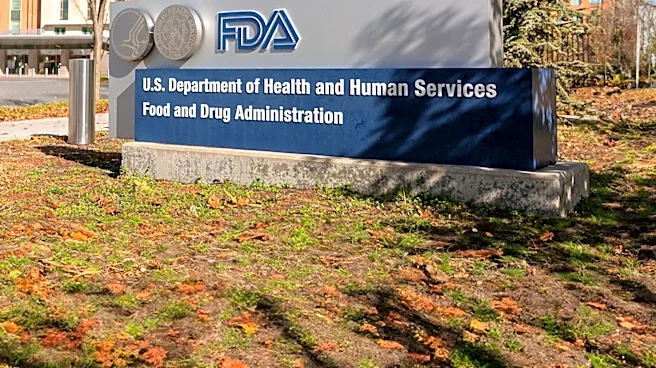
The American Medical Association (AMA) is calling on the Food and Drug Administration (FDA) to apply stringent, evidence-based standards to botanical drug products. The AMA warns that products marketed with unproven health claims, such as kratom and cannabis,
can pose significant risks if their safety and efficacy are not properly established. In a letter to FDA Deputy Commissioner Grace R. Graham, the AMA emphasized that these plant-derived substances should undergo the same scrutiny as other drugs. The organization stated that increasing consumer use, anecdotal claims, and social media influencer marketing should not bypass the FDA approval process or replace the need for high-quality clinical trials and post-market safety monitoring. AMA President Willie Underwood III, MD, MSc, MPH, highlighted that labeling a product as 'natural' does not guarantee its safety, pointing to tragic consequences like dependence, substance use disorders, overdose, and death from increasingly potent botanical products.
Why It's Important?
This push from the AMA is crucial for public health and consumer protection in the United States. The proliferation of botanical products, often marketed with aggressive and unsubstantiated claims, creates a significant risk for consumers who may believe these products are safe due to their 'natural' origin. Without rigorous FDA oversight, individuals could be exposed to ineffective or harmful substances, leading to adverse health outcomes and potentially delaying appropriate medical treatment. The AMA's stance underscores the importance of scientific validation over marketing hype, aiming to prevent a two-tiered system where botanical products escape the scrutiny applied to conventional pharmaceuticals. This initiative could lead to a more regulated market, ensuring that all products claiming health benefits meet a consistent standard of safety and efficacy, thereby protecting vulnerable populations and maintaining trust in medical science.
What's Next?
The AMA's letter urges the FDA to ensure that botanical products and their derivatives demonstrate safety and efficacy through clinical trials before being marketed or prescribed. This could lead to increased regulatory actions by the FDA, potentially including stricter enforcement against companies making unsubstantiated claims and a more formalized process for evaluating botanical products. The AMA also supports further research into botanical products to identify potential therapeutic benefits and safety concerns, but insists this research should not bypass established drug approval standards. Future developments may involve legislative efforts to grant the FDA more explicit authority or resources to regulate these products, or increased public awareness campaigns about the risks associated with unregulated botanical substances. The FDA's response to the AMA's urging will be a key indicator of the direction of botanical product regulation.
Beyond the Headlines
The debate over botanical product regulation touches upon broader themes of consumer autonomy, the influence of alternative medicine, and the challenges of regulating a rapidly evolving market. The rise of social media influencers promoting these products complicates the regulatory landscape, as their reach often outpaces traditional advertising oversight. This situation highlights a tension between the desire for 'natural' remedies and the scientific imperative for evidence-based medicine. The AMA's call for stricter standards also reflects a concern about the erosion of public trust in established medical institutions if unregulated products are perceived as equally legitimate. This could lead to a re-evaluation of how 'natural' products are perceived and regulated, potentially shifting cultural attitudes towards health and wellness products in the U.S.