







What's Happening?
The Wisconsin Department of Agriculture, Trade and Consumer Protection (DATCP) has confirmed the detection of the virus causing epizootic hemorrhagic disease (EHD) in non-lactating dairy cattle in Waukesha County. This marks the first instance of EHD being
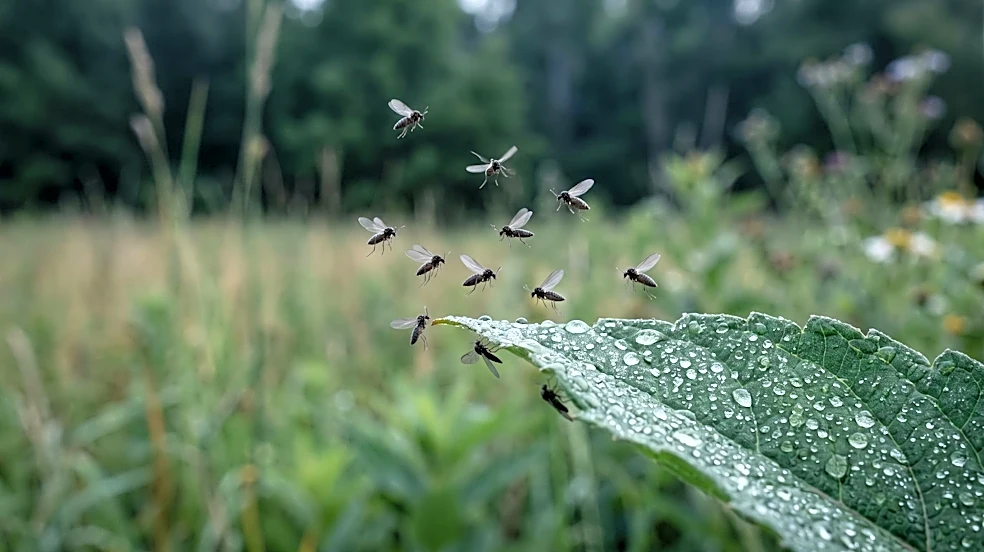
identified in cattle in Wisconsin since 2013. Dr. Heather Roney, a veterinarian with the department, noted that while cattle typically do not exhibit clinical signs, the affected animals in this case presented with lesions above their feet. Other potential symptoms of EHD include oral lesions or excessive salivation. EHD is transmitted by biting flies, commonly known as midges or no-see-ums, and has significantly impacted the state's deer population. Producers are advised to closely monitor their herds for any signs of the disease. The virus is expected to resolve with the first hard frost, but until then, cattle and cervid species remain susceptible. Humans are not at risk from EHD through insect bites, direct exposure, or consumption of meat or milk from infected animals.
Why It's Important?
The re-emergence of EHD in Wisconsin cattle after 13 years poses a significant concern for the state's agricultural sector, particularly dairy farmers. Although EHD is not typically fatal to cattle, the clinical signs observed in the Waukesha County herd indicate a potential for economic impact due to animal discomfort and the need for veterinary intervention. The disease's transmission through biting flies highlights the importance of robust parasite control strategies for livestock producers. Furthermore, the overlapping symptoms of EHD with other foreign animal diseases necessitate careful diagnosis, which can lead to increased testing and veterinary costs. While humans are not directly affected, the health of livestock is crucial for the food supply chain and the economic stability of rural communities. The situation underscores the continuous need for vigilance and proactive herd health management to mitigate the spread of such diseases and protect agricultural livelihoods.
What's Next?
Cattle producers in Wisconsin are urged to review their herd health plans and parasite control strategies with their veterinarians. The Wisconsin Department of Agriculture, Trade and Consumer Protection (DATCP) recommends that if symptoms are observed, herd owners should work with their veterinarians to obtain a definitive diagnosis. This is crucial because EHD symptoms can resemble those of other foreign animal diseases, requiring careful differentiation. The expectation is that EHD cases will resolve with the arrival of the first hard frost, which naturally reduces the population of the biting flies that transmit the disease. In the interim, continued monitoring and proactive measures are essential to prevent further spread among susceptible cattle and cervid species. The DATCP will likely continue to provide guidance and updates to the agricultural community regarding the disease's progression and management.
Beyond the Headlines
The detection of EHD in Wisconsin cattle highlights the broader ecological and environmental factors that influence livestock health. The disease's reliance on biting flies for transmission underscores the interconnectedness of wildlife, insect populations, and agricultural systems. Changes in climate patterns, which can affect insect breeding cycles and geographic distribution, could potentially influence the prevalence and spread of vector-borne diseases like EHD in the future. This event also brings to light the critical role of state agricultural departments and veterinary services in disease surveillance and rapid response to protect both animal health and the economic viability of farming. The need for producers to have robust herd health plans extends beyond immediate disease threats, encompassing a holistic approach to animal welfare and biosecurity in an evolving environmental landscape.