




What's Happening?
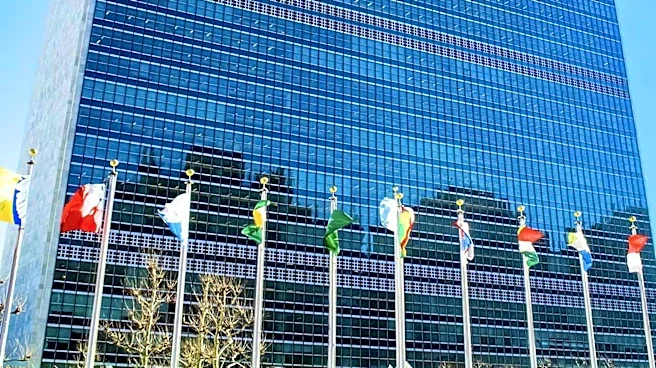
The Development Operations Coordination Office (DCO) of the United Nations has undergone a recalibration to optimize the Resident Coordinator (RC) system. This initiative, undertaken in 2026, aims to ensure the RC system is effectively configured to accelerate
the 2030 Agenda for Sustainable Development Goals (SDGs). The recalibration emphasizes a shift towards UN 2.0 principles, incorporating data, digital innovation, behavioral science, strategic foresight, and a mission-driven organizational culture. The DCO, established as a standalone coordination office within the UN Secretariat following a 2019 global reform, oversees the resident coordinator system under the United Nations Sustainable Development Group (UNSDG). This reform repositioned the UN Development System to enhance efficiency and effectiveness in achieving the 2030 Agenda.
Why It's Important?
This recalibration is crucial for the United States and the global community as it directly impacts the effectiveness of international development efforts. The UN's ability to achieve the SDGs, which include addressing poverty, hunger, inequality, and climate change, has significant implications for global stability and economic development. A more efficient and data-driven RC system can lead to better allocation of resources, improved program implementation, and more impactful outcomes in countries receiving UN assistance. For the U.S., which is a major contributor to UN development initiatives, this means a more accountable and results-oriented approach to international aid. The emphasis on digital transformation and innovation also aligns with broader global trends, potentially fostering more sustainable and resilient development pathways.
What's Next?
The recalibrated RC system will continue to support countries in achieving their development priorities and the SDGs, with a particular focus on data-driven decision-making and innovative approaches. Economists within the UN Resident Coordinator Offices (RCOs) will provide substantive support for evidence-based analysis of SDG progress, economic transformation, and SDG financing. They will also work to strengthen partnerships with national counterparts, international financial institutions, and the private sector. The UN will continue to monitor and evaluate the effectiveness of the recalibrated system, with ongoing efforts to integrate new methodologies and tools related to integrated SDG analysis, strategic foresight, and digital transformation. This ongoing evolution aims to ensure the RC system remains responsive to emerging global challenges and opportunities.
Beyond the Headlines
The DCO's recalibration reflects a broader recognition within international organizations of the need to adapt to a rapidly changing global landscape. The integration of data analytics, artificial intelligence, and strategic foresight into development planning signifies a move towards more sophisticated and proactive interventions. This shift also highlights the increasing importance of interdisciplinary collaboration, as economists and other specialists work together to address complex development challenges. The emphasis on a 'mission-driven organizational culture' suggests a push for greater internal coherence and accountability within the UN system. Ultimately, the success of this recalibration will depend on its ability to translate these strategic shifts into tangible improvements in the lives of people in developing countries, demonstrating the enduring relevance of multilateral cooperation in addressing global issues.