





What's Happening?
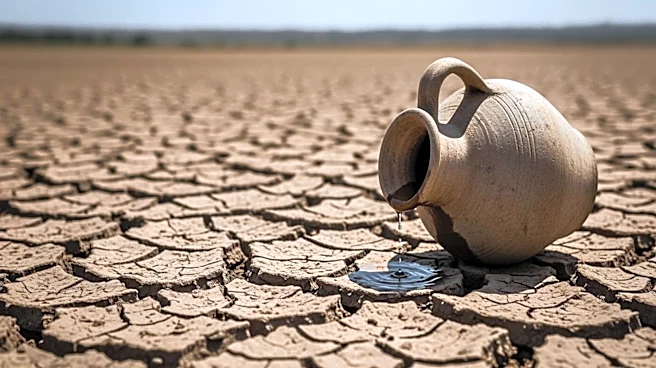
In eastern Chad, a violent conflict between two families over water access has resulted in the deaths of at least 42 individuals, according to the Chadian government. The incident occurred in Igote village, located in the Wadi Fira province near the Sudanese
border. The clashes also left 10 people injured. Chad's Deputy Prime Minister, Limane Mahamat, stated that the situation is now under control following the intervention of the army. A mediation process has been initiated in the village, and judicial proceedings are underway to determine criminal responsibility. This region has been under significant strain due to the influx of refugees from neighboring Sudan, exacerbating resource scarcity. Such conflicts over resources are not uncommon in Chad, with a similar incident last year between farmers and herders in the southwest resulting in 42 deaths.
Why It's Important?
The clashes highlight the severe resource scarcity issues in Chad, particularly in regions hosting large numbers of refugees from Sudan. The conflict underscores the broader challenges faced by countries in the Central African region, where resource competition can lead to deadly violence. The government's response, including military intervention and mediation efforts, reflects the urgent need to address these tensions to prevent further destabilization. The situation also raises concerns about the humanitarian impact on the local population and refugees, who are already vulnerable due to limited access to essential resources like water. The ongoing judicial proceedings may set a precedent for handling similar conflicts in the future, potentially influencing regional stability and security.
What's Next?
The Chadian government has committed to taking all necessary measures to prevent further destabilization in the border area. This includes continued military presence and mediation efforts to resolve the conflict peacefully. The judicial proceedings will aim to hold those responsible accountable, which could deter future violence. Additionally, the government may need to implement long-term strategies to manage resource distribution and support the influx of refugees. International aid and cooperation might be sought to address the underlying issues of resource scarcity and to provide humanitarian assistance to affected communities.