





What's Happening?
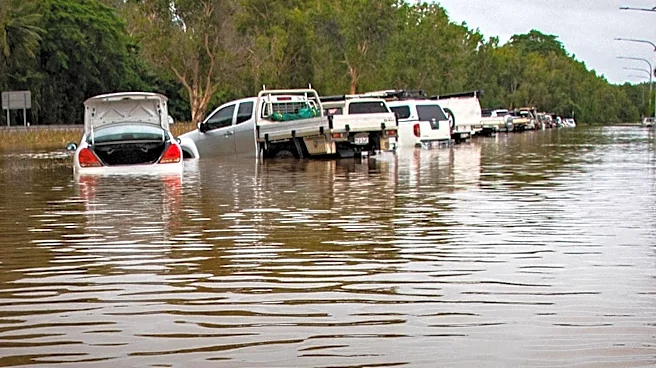
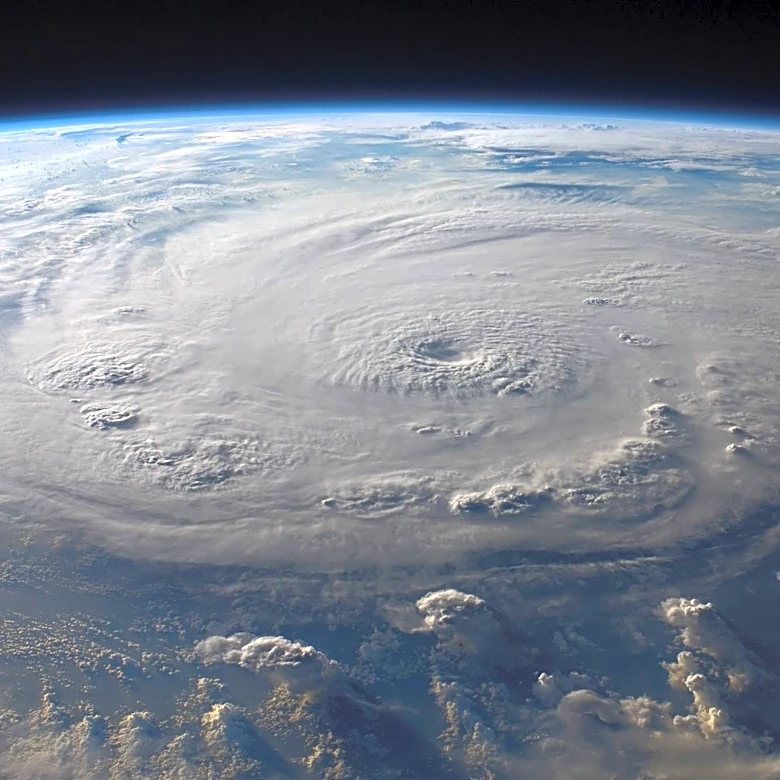
Meteorologists have analyzed the severe flash flooding in Central Texas, attributing it to a combination of meteorological conditions. An upper-level disturbance and a mesoscale convective vortex contributed to the prolonged rainfall over Texas Hill Country.
The system, fueled by moisture from the Gulf of Mexico, resulted in significant flooding along the Guadalupe and Pedernales Rivers. The region, known as 'Flash Flood Alley,' is particularly vulnerable due to its geography and soil composition. The flooding, which caused infrastructure damage and fatalities, underscores the challenges of predicting and managing extreme weather events.
Why It's Important?
Understanding the meteorological factors behind the recent flooding in Texas is crucial for improving forecasting and preparedness efforts. The analysis highlights the complexity of weather systems and the need for advanced modeling to predict such events accurately. As climate change increases the frequency and intensity of extreme weather, regions like Texas must enhance their resilience through improved infrastructure and emergency response strategies. This event also emphasizes the importance of public awareness and education in mitigating the impacts of natural disasters.